Your AC drain pan is usually located directly under your indoor air handler unit, either in a closet, basement, attic, or utility room, and its job is to catch condensation so it doesn’t damage your home. If you notice water pooling near your AC unit or dripping from a vent, the drain pan is often the first place to check.
Central air conditioners create condensation as they cool the air in your home. This water has to go somewhere, and that’s exactly what the drain pan is designed to handle. When homeowners start noticing water stains, musty smells, or a puddle near their unit, they usually want one simple answer fast. This guide walks you through everything you need to know, from finding your drain pan to understanding what it does and when it needs attention.
Wondering Why Your AC Suddenly Stopped Working? It Might Be the Drain Pan
If your AC shuts off without warning, especially on a hot day, the drain pan could be the reason. Many central air systems are built with a safety feature that automatically turns off the unit when the pan fills with too much water. This stops water damage before it starts, but it also means your home stops cooling.
This can feel confusing if you don’t know where to look. Homeowners often check the thermostat, the breaker box, or the outdoor unit first, not realizing the real problem is sitting quietly under the indoor unit. Once you understand how the drain pan works, this kind of shutdown makes a lot more sense.
What Is an AC Drain Pan and Why It Matters for Your Cooling System
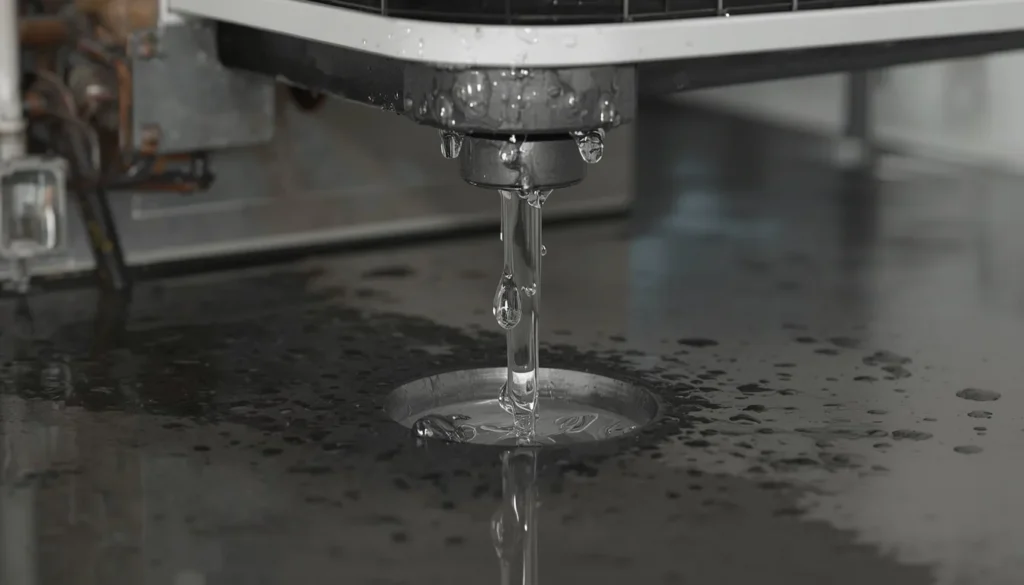
An AC drain pan is a shallow container placed under your indoor air handler or evaporator coil. As your system pulls warm air across the cold coil, moisture in the air turns into water droplets. That water drips down and collects in the pan, then flows out through a condensate line to a safe drainage point outside your home.
Without a working drain pan, that water would land directly on your flooring, ceiling, or attic insulation. Over time, this leads to mold growth, warped floors, and stained ceilings. The pan is a small part of your system, but it plays a big role in protecting your home from water damage.
Where Is My AC Drain Pan? Common Locations Explained
The answer to where is my AC drain pan depends on where your air handler is installed. In most homes, you’ll find it in one of these spots:
- Directly under the indoor air handler in a hallway closet
- Inside the attic, positioned beneath a horizontal air handler
- In the basement, near the furnace or air handler unit
- Inside a utility room or garage, close to the main HVAC equipment
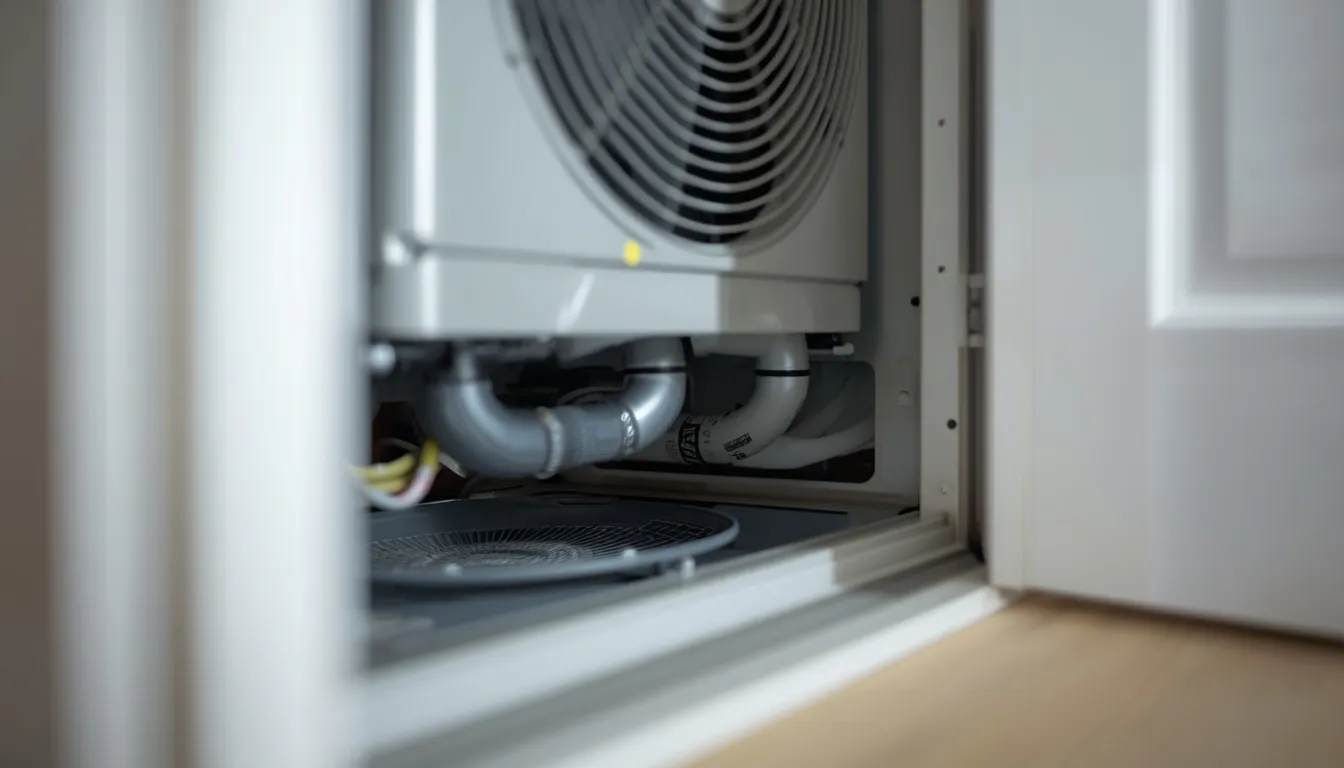
If your air handler sits in an attic, the drain pan is almost always attached underneath it, since gravity pulls condensation downward. If your system is in a closet or basement, the pan sits at the base of the unit, often hidden behind an access panel. Checking your owner’s manual or looking just below the indoor unit is usually the fastest way to spot it.
Primary vs. Secondary Drain Pan: What’s the Difference?
Many HVAC systems, especially those installed in attics, have both a primary and secondary drain pan, each with a different role in protecting your home from water damage.
| Feature | Primary Drain Pan | Secondary Drain Pan |
| Location | Directly under the evaporator coil | Below the primary pan |
| Main function | Collects normal, everyday condensation | Acts as a backup if the primary pan overflows |
| When it’s used | During regular AC operation | Only when the main drain line clogs or the primary pan fails |
| Common in | All central AC systems | Mostly attic installations or units above living space |
| What it signals | Normal system operation | Water here means something upstream needs attention |
This second layer of protection exists for a reason. Attic installations sit above living space, so a slow leak can cause serious ceiling damage before anyone notices. The secondary pan gives homeowners an early warning sign, since water collecting there usually means something upstream needs attention.
How to Tell If Your AC Drain Pan Is Full or Overflowing
A full or overflowing drain pan rarely stays hidden for long. Common signs include:
- Water stains on the ceiling below an attic unit
- A musty or damp smell near the air handler closet
- Visible water pooling on the floor near the indoor unit
- Your AC system shutting off unexpectedly during operation
If you notice any of these signs, turn off your system and check the area around the air handler. An ac drain pan full of water is a clear signal that water isn’t draining properly, and ignoring it can lead to more expensive repairs down the road.
What Causes an AC Drain Pan to Leak or Overflow
Several everyday issues can cause a drain pan to leak or fill up faster than it should. A clogged condensate line is the most common cause, since dust, dirt, and algae can build up inside the line over time and block water flow. A cracked or rusted pan can also let water escape instead of draining properly.
Other causes include a dirty air filter, which can cause the evaporator coil to freeze and then melt too quickly, overwhelming the pan. Improper installation, where the pan or drain line isn’t level, can also stop water from draining the way it’s supposed to. Regular maintenance helps catch these problems early, before they turn into bigger repairs.
Why a Full Drain Pan Can Shut Down Your AC (Float Switch Explained)
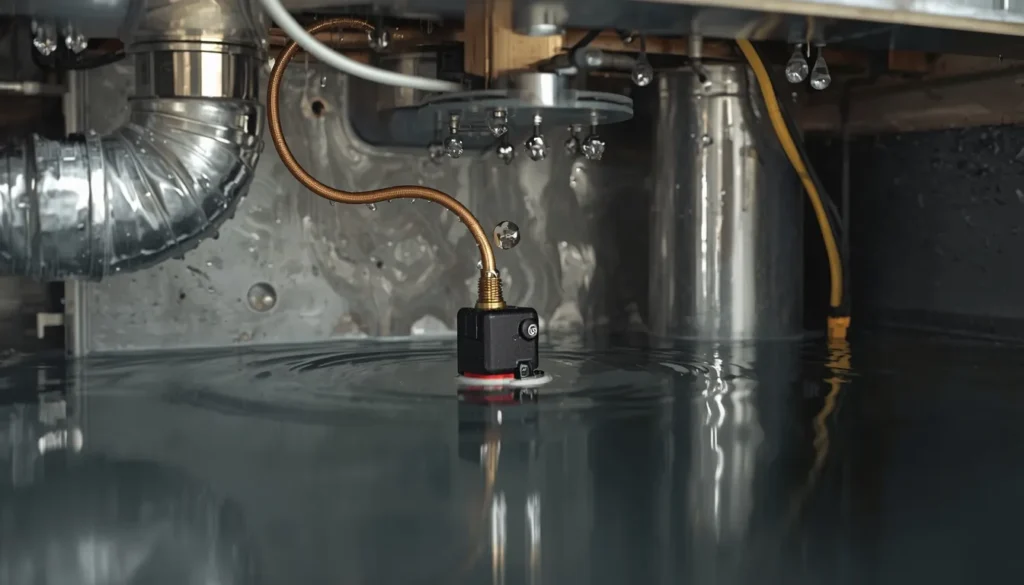
Most modern AC systems include a float switch inside or near the drain pan. This small device detects when water rises above a safe level and automatically shuts off the system. It’s a simple but important safety feature designed to prevent water damage.
When the float switch trips, your AC won’t turn back on until the water is removed and the switch resets. This is actually a good thing, even though it’s inconvenient. It means your system is protecting your home instead of letting water overflow onto your floors or through your ceiling.
Signs You Need to Clean or Replace Your AC Drain Pan
Not every drain pan issue means you need a full replacement. Sometimes a simple cleaning solves the problem. Watch for these signs to know which one you need:
- Slow draining water, even after cleaning the line, often points to a clog further down
- Visible rust, cracks, or corrosion mean the pan itself needs replacing
- Standing water that won’t drain even when the line is clear
- Repeated float switch trips despite regular cleaning
Older metal pans are more likely to rust and crack over time, while plastic pans tend to last longer but can still crack under pressure or heat. If cleaning doesn’t solve the issue, an ac drip pan replacement may be the more reliable long-term fix.
How The Air Squad Inspects and Repairs Drain Pan Issues in West Palm Beach, FL
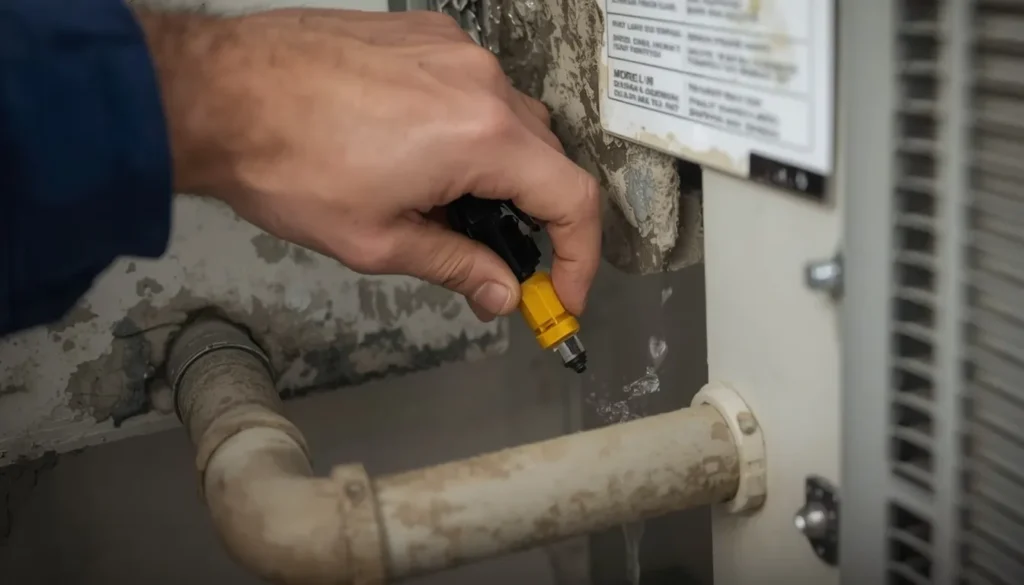
Homeowners often try to fix drain pan issues on their own, but some problems need a trained eye. A technician can check the entire condensate system, including the drain line, the float switch, and the coil, to find the real source of the leak instead of just treating the symptom.
The Air Squad‘s technicians inspect the full drainage system as part of routine AC maintenance and repair visits. This includes checking for clogs, cracks, rust, and proper drainage flow, so small issues get caught before they turn into water damage or a system shutdown.
Frequently Asked Questions About AC Drain Pans
What does an AC drain pan look like?
It’s a shallow, flat container, usually made of metal or plastic, shaped to fit snugly under the air handler or evaporator coil.
Is the drain pan under or above the AC unit?
The primary pan sits directly under the evaporator coil, while a secondary pan, if present, sits below that as a backup.
Do all AC units have a drain pan?
Most central AC systems have at least one drain pan. Systems installed in attics or above living spaces typically have both a primary and secondary pan for extra protection.
Will AC shut off if the drip pan is full?
Yes. Most systems have a float switch that senses when water rises too high and automatically shuts off the unit to prevent overflow and water damage.
Does every AC have a drain line?
Most central AC systems use a condensate drain line to carry water away from the drain pan to a safe drainage point outside the home.
How to check if an AC condensate drain is blocked?
Look for standing water in the drain pan, a musty smell near the air handler, or water backing up near the drain line access point. A slow or stopped water flow usually means a blockage.
Can I run my AC with a clogged drain line?
It’s not recommended. Running the system with a blocked line can cause the pan to overflow, trip the float switch, or lead to water damage in your home.
How do I know if my drain pan is leaking?
Look for water stains, damp spots, or a musty smell near your air handler. A dripping air vent or unexpected system shutdown can also point to a drain pan problem.
Notice a Problem With Your AC Drain Pan? Contact The Air Squad Today
A dripping vent, a musty smell, or an AC that keeps shutting off are all signs worth checking right away. Waiting too long can turn a simple cleaning into a costly repair involving water damage, mold, or a full pan replacement.
If you’ve spotted any of these warning signs in your home, don’t wait for the problem to get worse. Reach out today to schedule an inspection and get your cooling system checked by someone who knows exactly what to look for.