HVAC routine maintenance means checking, cleaning, and caring for the main parts of your heating and cooling system before small problems turn into larger ones. A good service visit usually includes filter checks, thermostat testing, coil inspection, drain cleaning, airflow review, and a look at key electrical parts. Regular care can help your system run more smoothly, support indoor comfort, and reduce the chance of sudden breakdowns.
Keep the system clean, catch wear early, and make sure each part is doing its job. Some basic tasks can be done at home, while a trained HVAC technician should handle deeper inspections and repairs.
Why HVAC Care Matters for Everyday Home Comfort
Your HVAC system works hard to keep your home comfortable. It cools your rooms when the weather is hot and helps provide heat when temperatures drop. Frequent use means dirt, clogged drains, and worn components can slowly affect performance.
Routine care helps you notice these issues early. A dirty filter may reduce airflow. A blocked condensate drain may cause water problems. A weak electrical connection may make the system work harder than it should. Small issues can affect comfort and energy use over time.
Maintenance also shows homeowners how their system is performing. You can spot changes in sound, airflow, temperature, or humidity before they become major concerns.
What Homeowners Should Know About Heating and Cooling Maintenance
Heating and cooling maintenance is not only about fixing a system when it stops working. It is also about preventing avoidable problems and helping the equipment operate as designed.
A complete HVAC inspection may include both the cooling system and heating system. The steps depend on whether your home uses an air conditioner, furnace, heat pump, or another setup. Homeowners should also understand that simple care and professional service are different. You can replace HVAC filters, keep outdoor equipment clear, and watch for unusual sounds. A trained technician can inspect electrical connections, refrigerant levels, motors, coils, and other parts that require more skill.
This mix of homeowner care and professional service creates a stronger plan for long term system health.
What HVAC Routine Maintenance Actually Includes
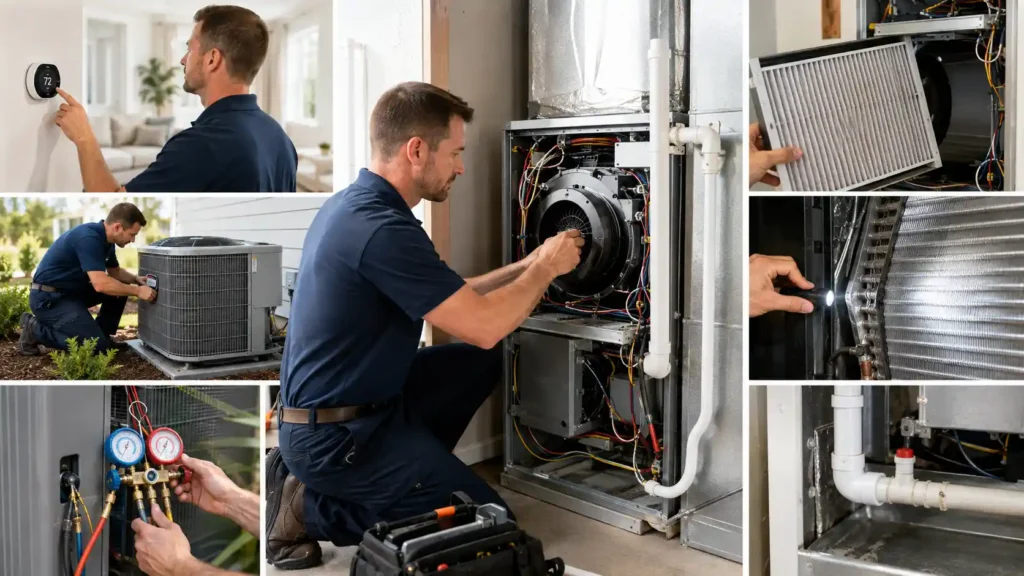
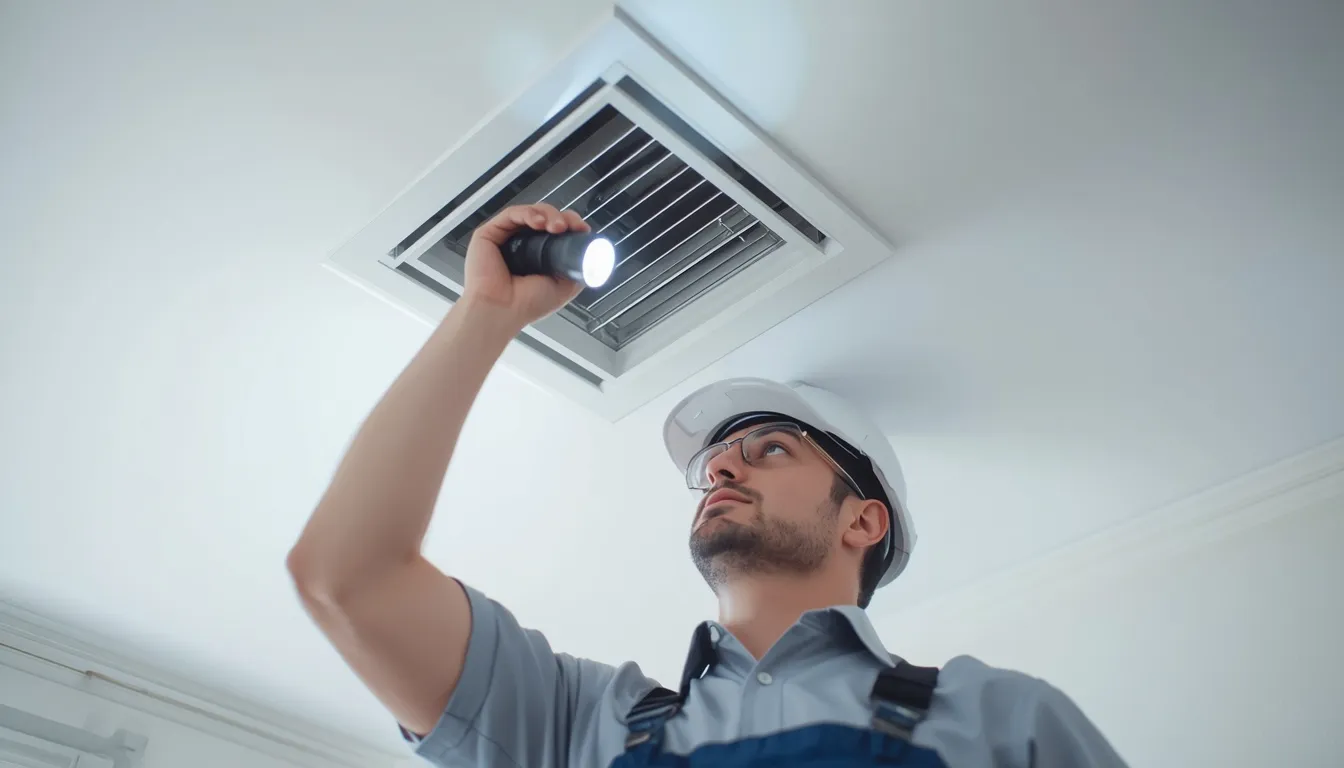
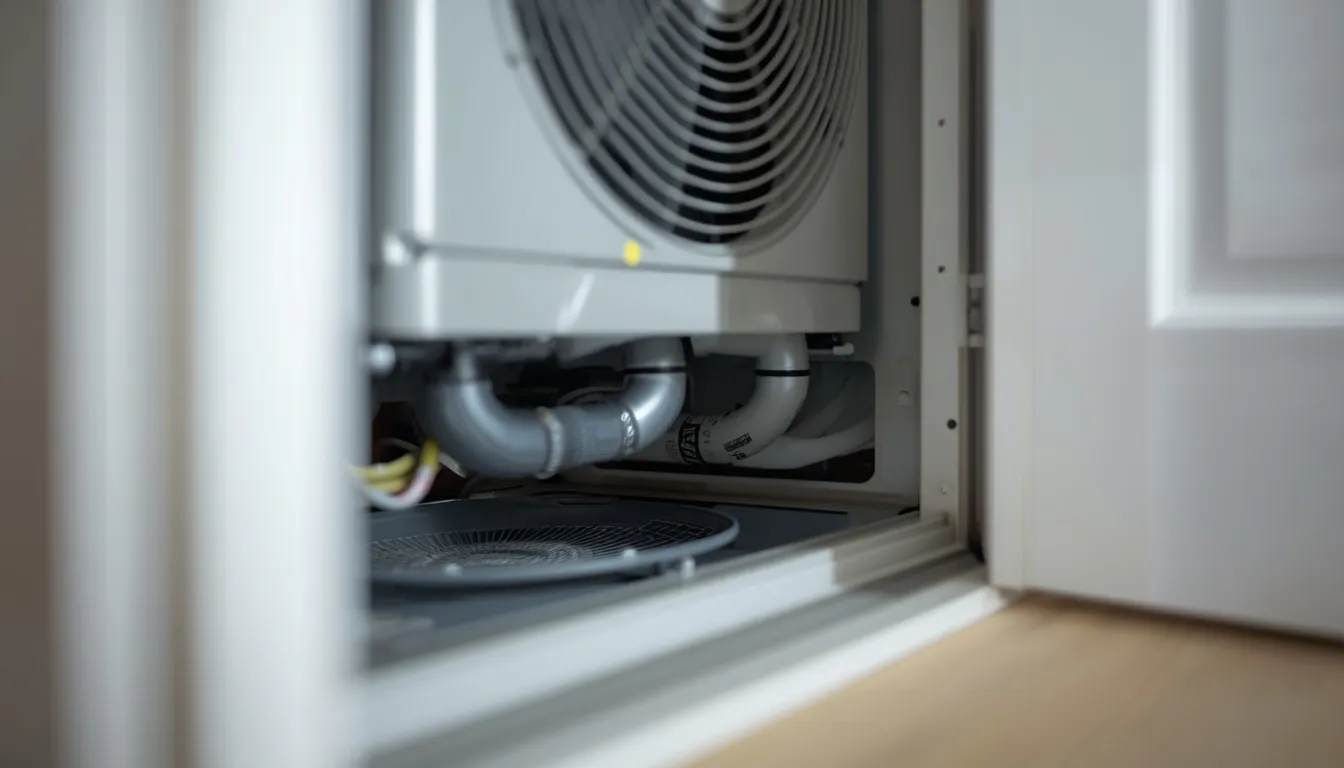
A professional maintenance visit focuses on the parts that affect comfort, safety, airflow, and system performance. The technician may inspect the thermostat, check the air filter, review the blower motor, and look at the indoor and outdoor units.
The evaporator coil and condenser coil may also be checked for dirt or buildup. Clean coils help the system move heat more effectively. The technician may inspect refrigerant levels to make sure the cooling system is operating within normal conditions.
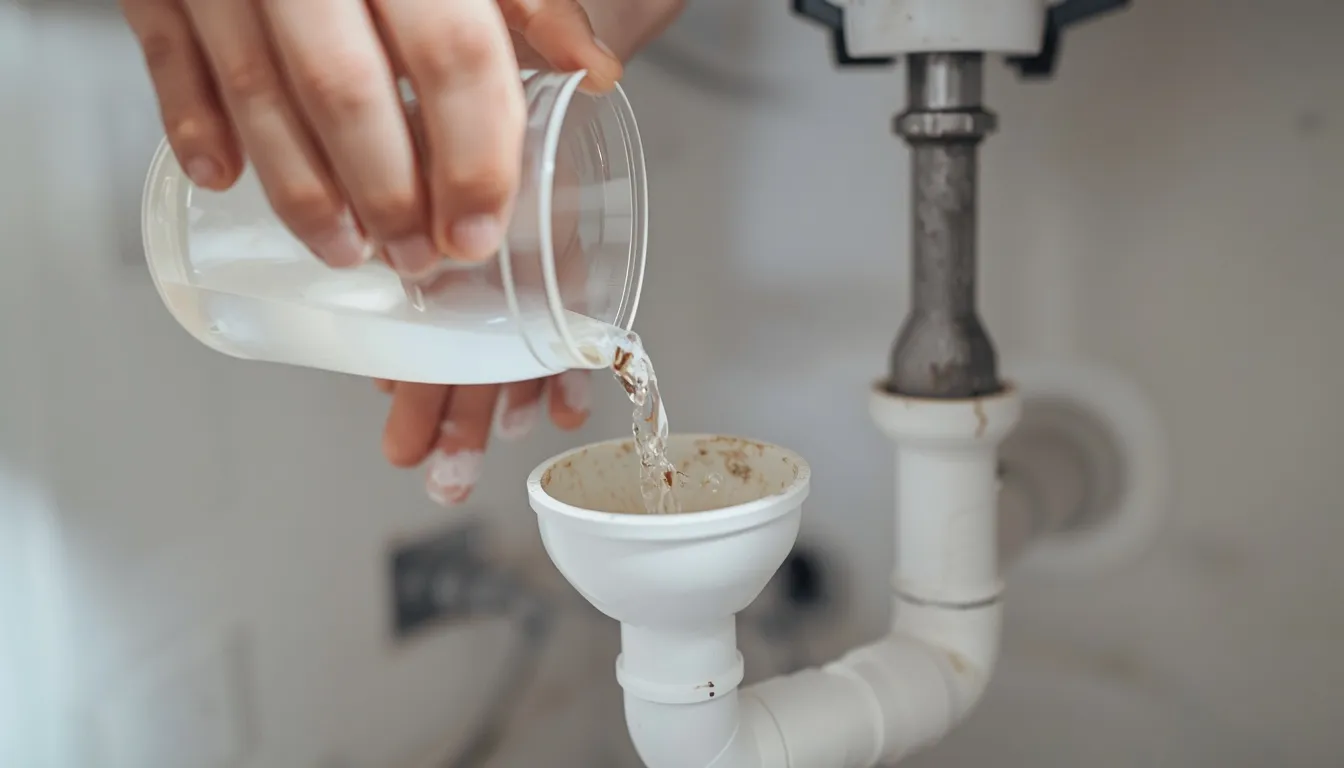
The condensate drain is another important area. This line carries moisture away from the system. If it becomes clogged, water may back up and create moisture problems.
A thorough visit may also include checking electrical connections, listening for unusual sounds, testing system operation, and reviewing airflow. These steps show the system’s condition.
A Simple HVAC Maintenance Checklist for Homeowners
A basic HVAC maintenance checklist helps you care for your system between professional visits. Use these simple steps to keep an eye on its condition:
- Check the air filter: Look at your HVAC filter regularly. Replace it when it becomes dirty or according to the filter maker’s instructions. Regular air filter replacement helps support steady airflow.
- Keep HVAC equipment clear: Remove leaves, boxes, furniture, dirt, and other debris from around indoor and outdoor units. Clear space allows air to move more freely.
- Check the thermostat: Make sure your thermostat shows the correct temperature and that the HVAC system responds when you adjust the settings.
- Keep vents open: Check supply and return vents throughout your home. Keep them open and avoid blocking them with furniture, rugs, or other items.
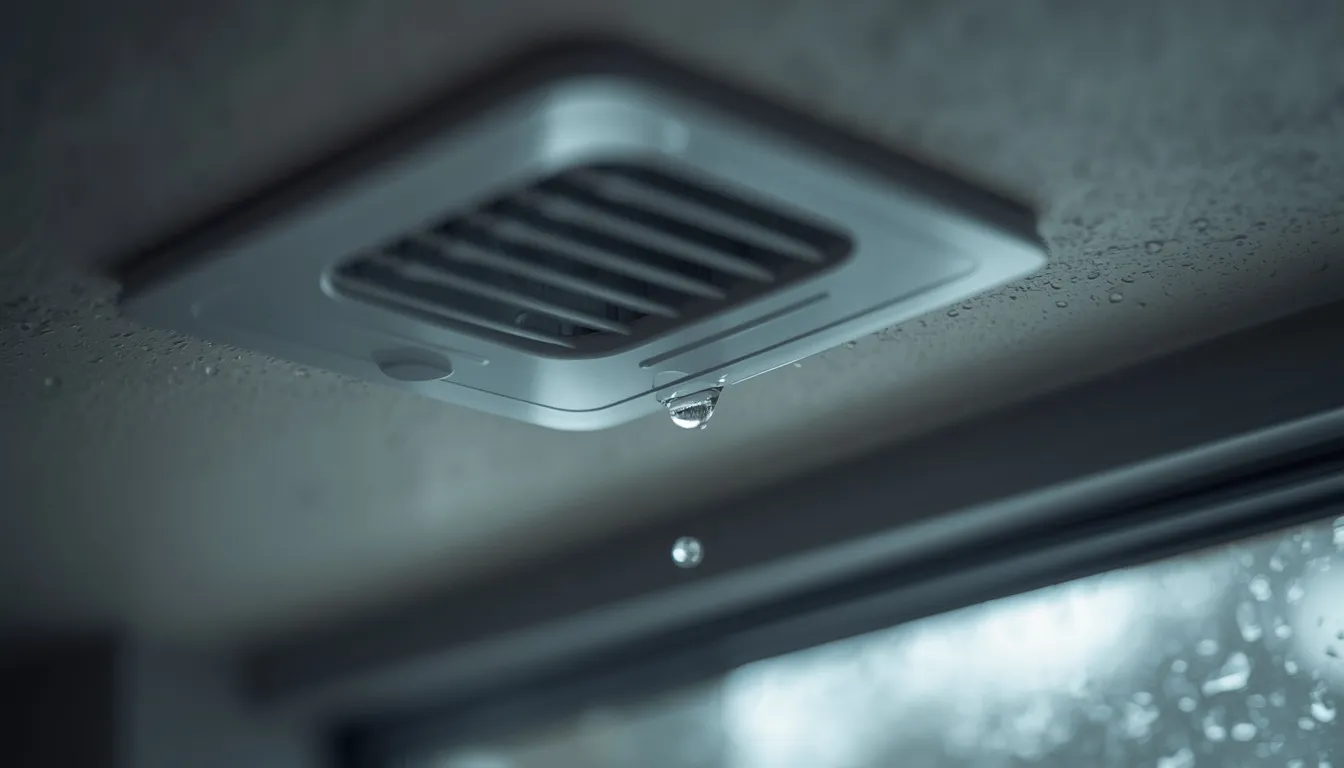
- Watch for water: Look for moisture or standing water near the indoor HVAC unit. Water may point to a condensate drain or drainage problem.
- Pay attention to airflow: Notice if airflow from your vents becomes weaker than normal or if some rooms feel harder to cool or heat.
- Listen for unusual noises: Buzzing, rattling, grinding, or other new sounds may mean that part of the system needs attention.
- Notice unusual smells: Musty, burning, or other strange odors should not be ignored. Have the system inspected if an odor continues.
How Air Filter Replacement and Airflow Affect System Performance
Airflow is one of the most important parts of HVAC performance. Your system must move enough air through the home to heat or cool rooms evenly.
A dirty filter can make that harder. When dust builds up on the filter, the blower motor may need to work harder to pull air through. This can reduce comfort and stress the system.
Clean filters can also support indoor air quality by helping capture dust and other particles before they move through the ventilation system. Follow the equipment and filter guidance for your system.
Ductwork also affects airflow. Leaks, loose sections, or heavy buildup can reduce how well air reaches different rooms. If one room feels much warmer or cooler than another, airflow may be part of the reason.
Why Thermostat Inspection, Coils, and Electrical Connections Matter
Your thermostat, coils, and electrical parts all play an important role in how your HVAC system works. Checking these parts during preventive HVAC maintenance can help find small problems before they affect comfort or system performance.
Thermostat Inspection
The thermostat tells your HVAC system when to start and stop. A thermostat inspection helps make sure it reads the indoor temperature correctly and responds when you change the settings.
If the thermostat is not working properly, your system may run too long, stop too soon, or struggle to keep your home comfortable.
Evaporator and Condenser Coil Inspection
The evaporator coil absorbs heat from the air inside your home. The condenser coil releases that heat outside.
Dust, dirt, and buildup on either coil can reduce heat transfer and make the system work harder. Keeping the coils clean can support better cooling and HVAC efficiency.
Electrical Connection Checks
Your HVAC system depends on several electrical connections and powered parts. Loose, damaged, or worn connections can affect how the equipment operates and may create safety concerns.
A qualified HVAC technician can inspect wiring and connections for signs of corrosion, overheating, damage, or wear. Catching these problems early can help prevent unexpected system failures during periods of heavy use.
How Refrigerant Levels, Condensate Drains, and Ductwork Are Checked
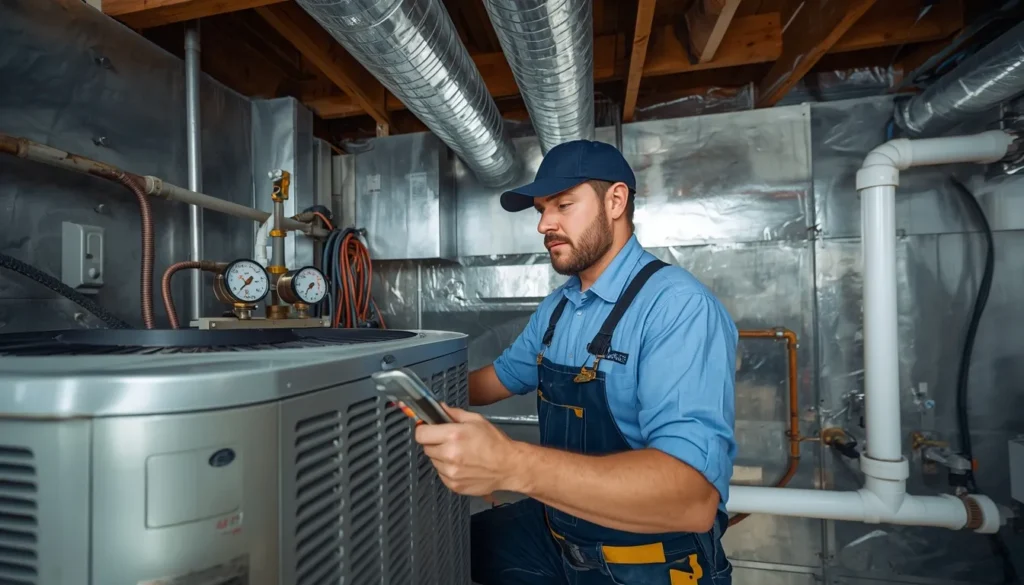
Refrigerant helps an air conditioner or heat pump move heat. If refrigerant levels are not correct, cooling performance may drop. Low refrigerant can also point to a leak, which needs proper diagnosis rather than a simple refill.
The condensate drain should also be checked. Moisture forms as the system cools and removes humidity from indoor air. That water needs a clear path out of the system. A clogged line can lead to water near the unit or unwanted moisture.
Ductwork should be checked for loose connections, visible damage, and airflow concerns. In some homes, duct problems can make certain rooms harder to cool or heat.
These checks need more than a quick look. An experienced HVAC technician uses system readings, visual inspection, and operating tests to understand what is happening.
How Regular HVAC Maintenance Supports Efficiency and System Lifespan
Regular HVAC maintenance helps the system operate with fewer avoidable obstacles. Clean filters, open airflow paths, working controls, and clean coils all support operation.
Maintenance may also help reduce unnecessary energy consumption when dirt or worn parts are causing the equipment to work harder. This does not mean every maintenance visit will lower a power bill, but keeping the system in good condition can support HVAC efficiency.
System lifespan depends on many factors, including equipment quality, installation, climate, usage, and care. Maintenance cannot stop normal aging, but it can help identify problems that may increase wear.
A small issue with airflow, a motor, or an electrical part can place stress on other components. Finding these issues early may help avoid larger repairs and protect the equipment from preventable strain.
When to Schedule Seasonal HVAC Maintenance in West Palm Beach, FL
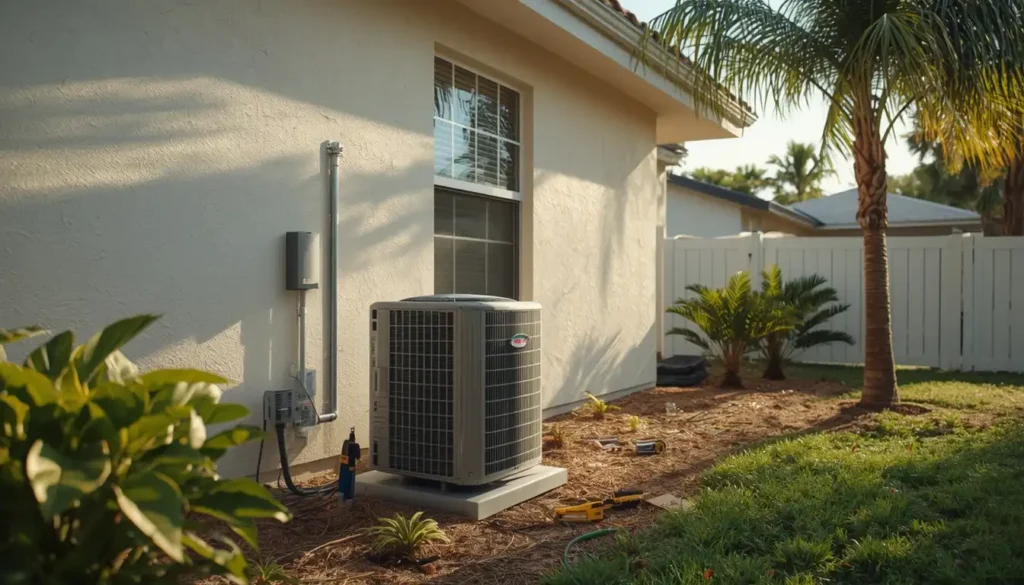
Seasonal HVAC maintenance is often best planned before the system enters a period of heavy use. A cooling system can be checked before the hottest part of the year, while heating equipment can be reviewed before cooler weather.
The best schedule can depend on your equipment, how often it runs, its age, and the conditions around your home. Homes with pets, heavy dust, or long cooling seasons may need closer attention to filters and airflow.
A professional can also help you decide how often your system should be checked based on the type of equipment you own. Following the manufacturer’s care guidance is a smart place to start.
Planning service early can also give you time to address worn parts before comfort becomes an urgent problem.
Signs You May Need Professional HVAC Maintenance Services
Some HVAC problems are easy to notice. Others develop slowly. Knowing the common warning signs can help you decide when to call for HVAC maintenance services.
Weak airflow, uneven room temperatures, unusual sounds, short cycling, musty odors, rising humidity, or water near the indoor unit can all deserve attention. A system that seems to run much longer than usual may also need an inspection.
Changes in comfort do not always point to one specific problem. For example, weak airflow could come from a dirty filter, ductwork issue, blower problem, or another cause. That is why proper diagnosis matters.
If you are unsure, avoid guessing with electrical or refrigerant work. Those areas require training and the right tools. A professional inspection can help identify the cause and explain the next step clearly.
Why Homeowners Choose The Air Squad for Preventive HVAC Maintenance
A strong maintenance service should be clear, careful, and focused on the condition of the whole system. Homeowners should know what was checked, what looks good, and what may need attention.
A professional residential HVAC maintenance visit can help identify airflow issues, dirty components, drainage concerns, thermostat problems, and signs of wear before they become more disruptive.
Good maintenance is not about replacing parts that do not need to be replaced. It is about understanding how the equipment is operating and making informed decisions based on its condition.
For homeowners who want fewer surprises, preventive care can be a simple way to stay ahead of common heating and cooling problems.
Schedule your next maintenance visit with The Air Squad and give your system the care it needs before small issues become bigger problems.