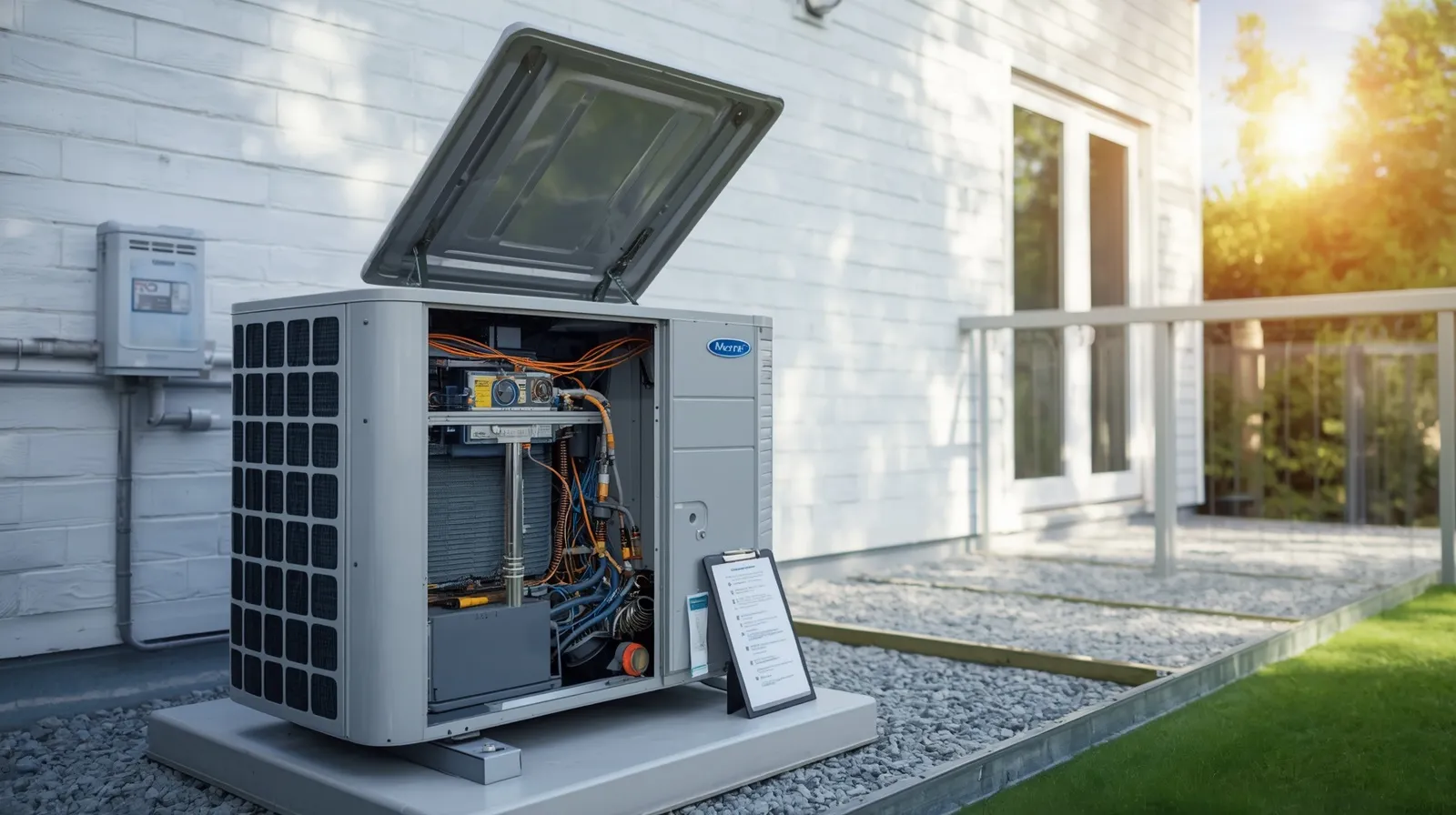
An air conditioner tune up checklist lists the main steps needed to inspect, clean, and test a cooling system before hot weather arrives. A complete tune up covers filters, coils, drains, airflow, electrical parts, refrigerant, thermostat settings, and system performance. Regular care can lower the risk of surprise breakdowns and help the unit cool with less strain. A trained technician can inspect the system, explain any concerns, and recommend the right next steps. This guide helps you prepare safely and choose service with confidence.
Why Your Air Conditioner Needs a Tune Up Before Summer
Your air conditioner may sit unused or run only a little during cooler months. Dust can build up, leaves can block the outdoor unit, and small problems can go unnoticed. Once summer starts, the system may run for long hours. A weak part that seemed fine in mild weather may fail during the first heat wave.
A spring AC maintenance checklist helps you prepare before demand rises. A proper tune up checks whether the system starts, runs, drains water, moves air, and shuts off correctly. It also looks for wear that could lead to a larger repair.
Early service gives you time to fix issues before you depend on the AC every day. Clean parts and strong airflow also help the unit cool rooms more evenly without working harder than needed.
Signs Your AC May Need Maintenance Soon
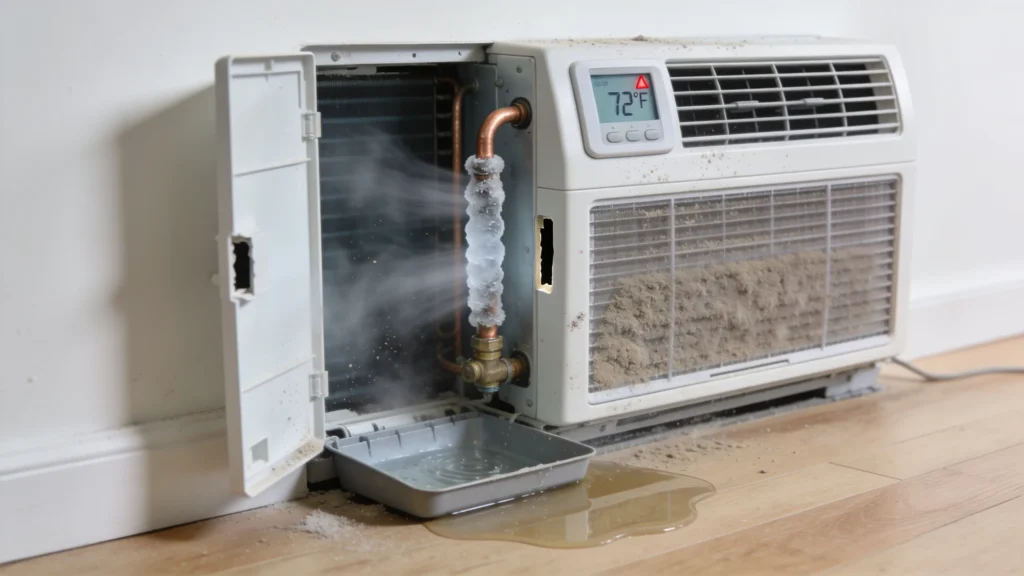
Warm air, weak airflow, loud sounds, bad smells, or frequent on and off cycles often point to a problem. You may also notice that some rooms stay warmer or that the unit runs much longer than usual.
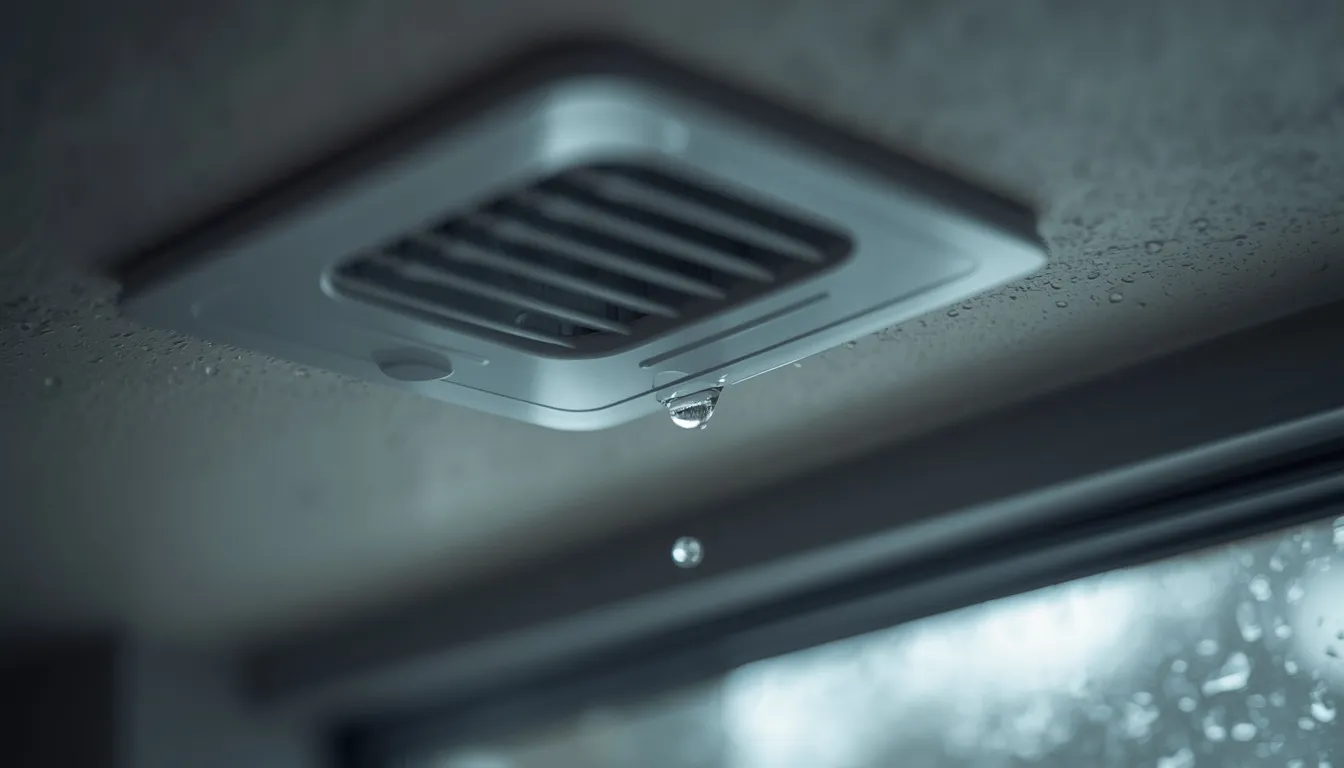
Water near the indoor unit can mean the drain line is blocked or the drain pan has a problem. Ice on the refrigerant lines or indoor coil can point to low airflow, a dirty filter, or another issue. Do not scrape off the ice and keep running the unit. Turn cooling off and arrange an inspection.
A sudden rise in energy use may also be a clue, although weather changes affect power bills. Compare how the system behaves, not just the bill. If it sounds different, cools poorly, or needs frequent thermostat changes, schedule maintenance soon.
What Is Included in an AC Tune Up?
An AC tune up includes a check of the indoor and outdoor parts of the cooling system. The technician inspects, cleans, tests, and measures key components.
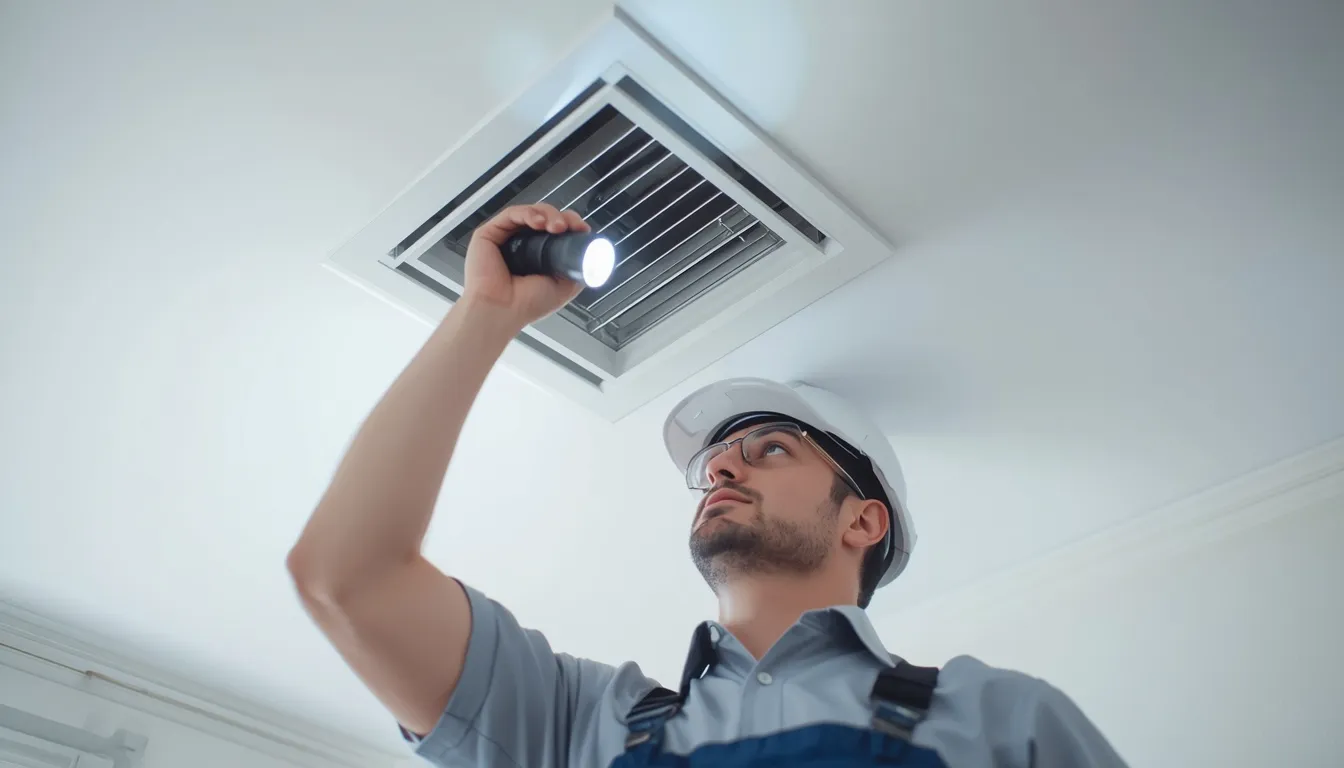
A professional AC tune up checklist often includes the thermostat, air filter, blower, evaporator coil, drain line, electrical connections, safety controls, condenser coil, fan motor, and compressor. The technician also tests the temperature difference between the air entering and leaving the system.
Refrigerant may be checked when readings or cooling problems suggest a concern. Refrigerant does not get used up like fuel. A low level may mean the system has a leak. Adding more without finding the cause may not solve the problem.
Complete Air Conditioner Tune Up Checklist
A complete HVAC tune up checklist should follow these steps:
- Turn off the power before touching any part of the system.
- Check the thermostat and make sure it responds correctly.
- Replace or clean the air filter if it looks dirty.
- Make sure supply vents and return grilles remain open.
- Remove furniture, rugs, curtains, or dust that may block airflow.
- Inspect the indoor unit for water, rust, loose panels, strange sounds, or damaged insulation.
- Check the drain line and drain pan for clogs, leaks, or standing water.
- Avoid opening sealed panels unless you have the proper training and tools.
- Remove leaves, grass, dirt, and trash from around the outdoor condenser.
- Check the outdoor cabinet, coil fins, wiring cover, and refrigerant lines for visible damage.
- Restore the power after completing the basic cleaning and inspection.
- Run the air conditioner and listen for smooth, quiet operation.
- Check the airflow from several vents throughout the home.
- Confirm that the system reaches the temperature set on the thermostat.
- Ask a trained technician to measure electrical readings, refrigerant pressures, airflow, and system temperatures with professional tools.
Indoor Tasks on an AC Maintenance Checklist
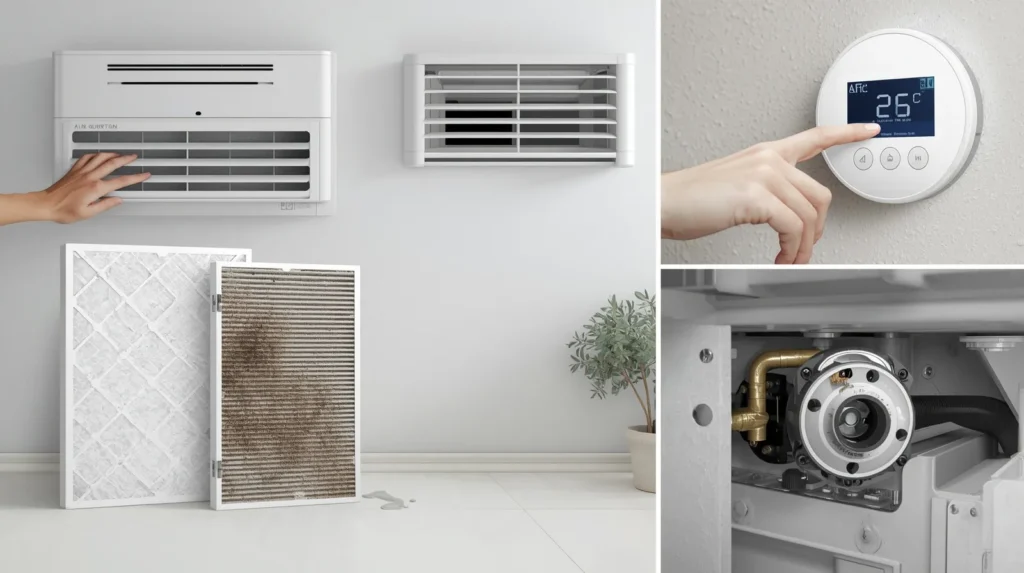
Start with the air filter. A dirty filter blocks airflow and makes the blower work harder. Check it each month during heavy use. Replace or clean it based on the filter type and equipment maker’s directions. Use the correct size.
Check return grilles and supply vents for dust. Vacuum the surface gently and keep them open. Closing too many vents can change system pressure and reduce performance. Move furniture, curtains, and boxes that block airflow.
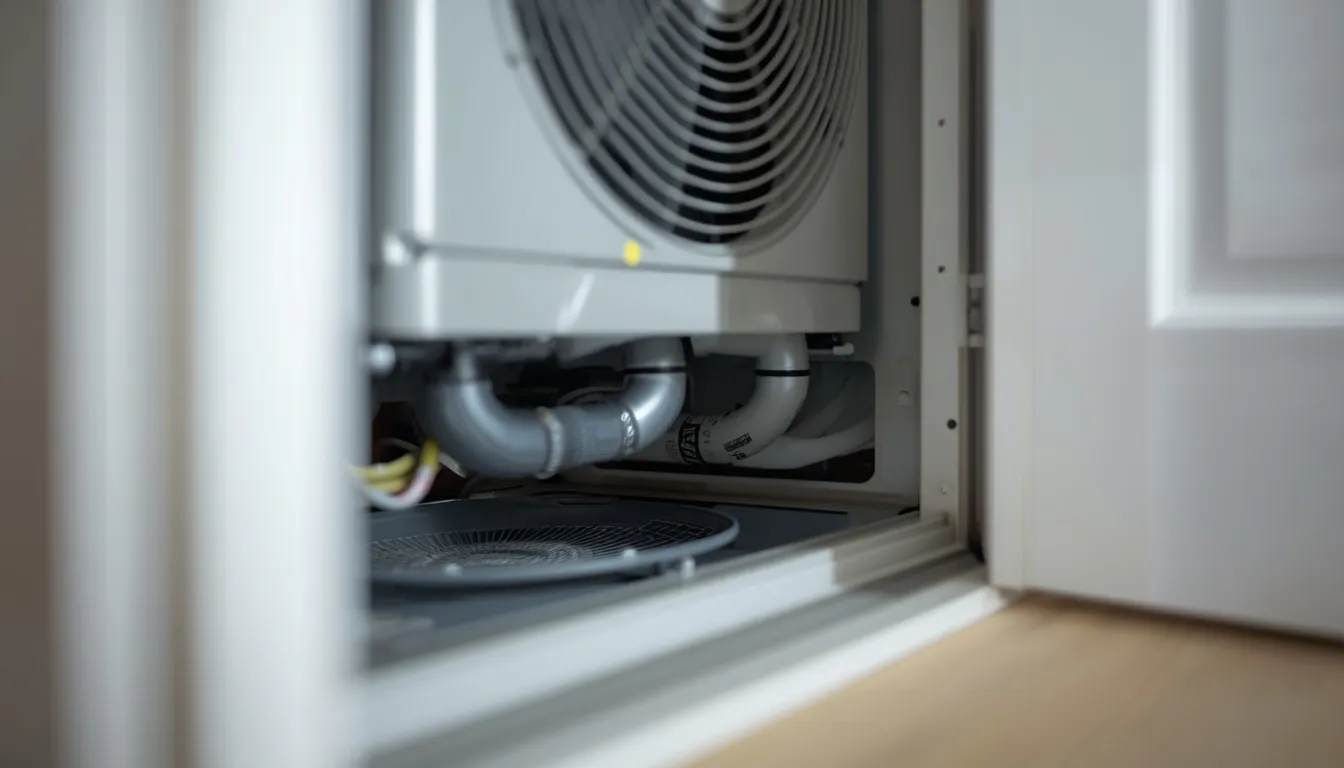
Look near the indoor unit for water. Moisture inside the drain system is normal, but water on the floor is not. A clogged condensate drain can cause leaks, odors, or shutoffs. Simple clogs may be easy to clear, but deeper ones need service.
Set the thermostat to cooling and confirm that the displayed temperature seems correct. Replace batteries when needed. If the screen is blank or the system ignores settings, check the breaker once. Repeated breaker trips require professional help.
Outdoor Steps in a Professional AC Tune Up Checklist
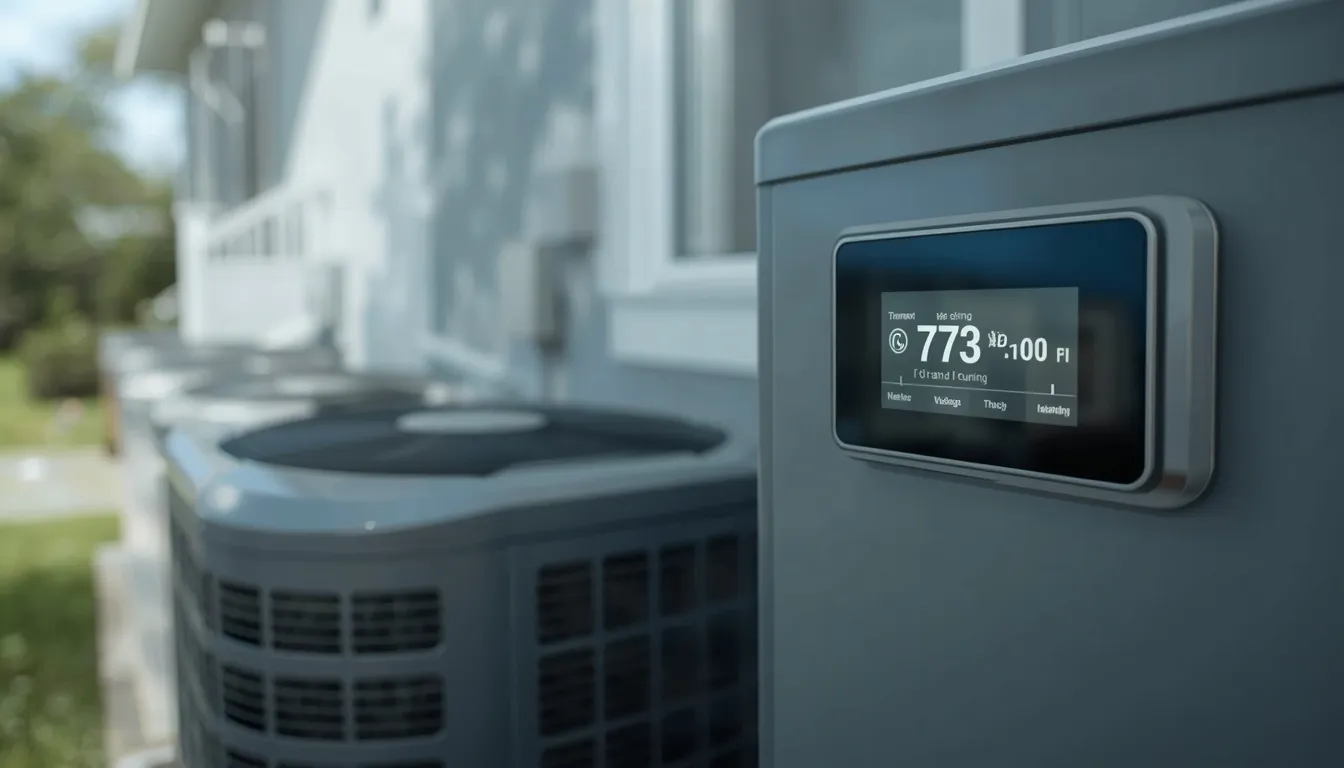
Turn off power to the outdoor unit before basic cleaning. Remove loose leaves, weeds, and debris by hand. Trim plants back so the unit has room to release heat. Do not place covers, fences, or stored items too close to the cabinet.
The condenser coil releases heat from your home. Dirt on this coil can reduce heat transfer. A technician may clean it with the right method for the coil and soil level. Strong pressure can bend the thin fins, so never use a pressure washer.
Check the refrigerant line insulation. Damaged insulation can waste energy and cause moisture problems. Look for oily marks, rubbing lines, loose panels, or unusual vibration.
During professional service, the technician tests the contactor, capacitor, fan motor, compressor, wiring, and electrical connections. These parts can hold dangerous voltage. Homeowners should not open electrical compartments or touch parts inside them.
How Often Should Your AC Be Tuned Up?
Most residential cooling systems should receive maintenance once each year, usually before the hottest season. A heat pump that provides heating and cooling may need service twice a year because it runs during more months.
How often should AC be tuned up when the system is older or used heavily? It may need closer attention. Homes with pets, dust, construction work, or long cooling seasons often need more frequent filter checks and coil inspections.
Annual AC tune up service cannot prevent every failure. It can find wear, dirt, drainage issues, and weak electrical parts before they cause bigger trouble. Keep service records so technicians can track changes in performance over time.
Benefits of Annual AC Tune Up Service
| Benefit | How It Helps |
|---|---|
| Better indoor comfort | Clean coils, clear filters, and strong airflow help the system cool each room more evenly. |
| Improved energy efficiency | A clean and well checked system can move heat more easily and use less energy during operation. |
| More reliable cooling | Correct thermostat settings and secure electrical connections help the AC run smoothly during hot weather. |
| Fewer emergency breakdowns | A technician may find weak capacitors, blocked drains, worn wires, or dirty coils before the system stops working. |
| Lower repair risks | Fixing a small issue early can help prevent water damage, damaged parts, or a complete system shutdown. |
| Longer equipment life | Preventive AC maintenance reduces avoidable strain on motors, fans, coils, and other important parts. |
| Possible warranty support | Some equipment warranties require regular maintenance. Review your warranty because terms vary by brand and model. |
| Clear system information | A good technician explains what was checked, what works well, what needs attention, and which repairs can wait. |
Common Problems Found During an Air Conditioner Inspection
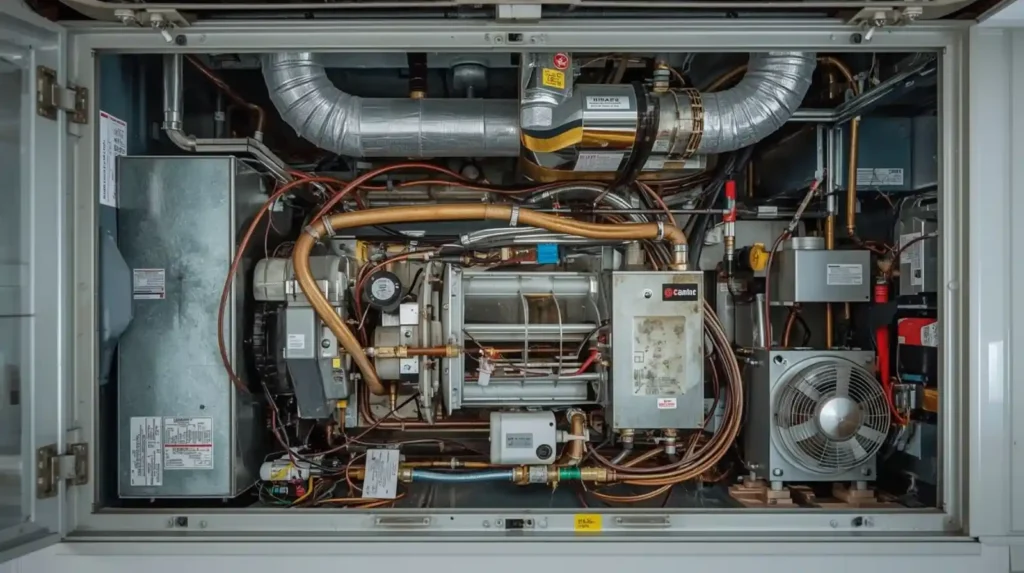
An air conditioner inspection checklist may reveal a clogged filter, dirty coil, blocked drain, loose wire, worn capacitor, weak motor, or damaged insulation. Technicians may also find airflow problems caused by closed vents, duct leaks, or a dirty blower wheel.
Low refrigerant readings can suggest a leak, but proper diagnosis matters. The technician should review temperatures, pressures, and system behavior before recommending a repair. Frozen coils often come from low airflow or refrigerant problems, so the root cause must be found.
Other issues include a thermostat that reads the wrong temperature, a contactor with burned surfaces, or a condenser fan that starts slowly. Strange sounds may come from loose panels, worn bearings, debris, or internal damage.
Not every finding needs immediate replacement. Ask which problems affect safety, which may cause a breakdown, and which can be watched.
DIY AC Maintenance Versus Professional Service
Homeowners can replace filters, clear space around vents, remove loose outdoor debris, check thermostat batteries, and watch for leaks or unusual sounds. These simple steps support a central air maintenance checklist and help you spot trouble early.
Professional service covers work that requires training, meters, gauges, and safe access to electrical parts. A technician can test motors, capacitors, controls, refrigerant performance, temperature change, and airflow. The technician can also clean hard to reach areas without damaging equipment.
Stop DIY work when you see burned wires, repeated breaker trips, ice, refrigerant line damage, strong electrical smells, or water near electrical parts. Turn off the system and request help. Safety matters more than saving a service visit.
Searching for an AC tune up near me or HVAC tune up near me can bring many choices. Look for clear service details, written findings, honest communication, and direct answers to your questions.
Schedule Service With The Air Squad in West Palm Beach, FL
A residential AC tune up prepares your system for steady summer use. It checks the parts that affect cooling, airflow, drainage, safety, and reliability. It also gives you a clearer view of the system’s condition before a small concern becomes a costly interruption.
Use this guide for basic upkeep, but leave electrical testing, refrigerant work, deep cleaning, and internal repairs to trained professionals. A careful service visit should give you useful findings and practical next steps.
Contact The Air Squad today to request an air conditioner tune up service and prepare your cooling system for dependable comfort.