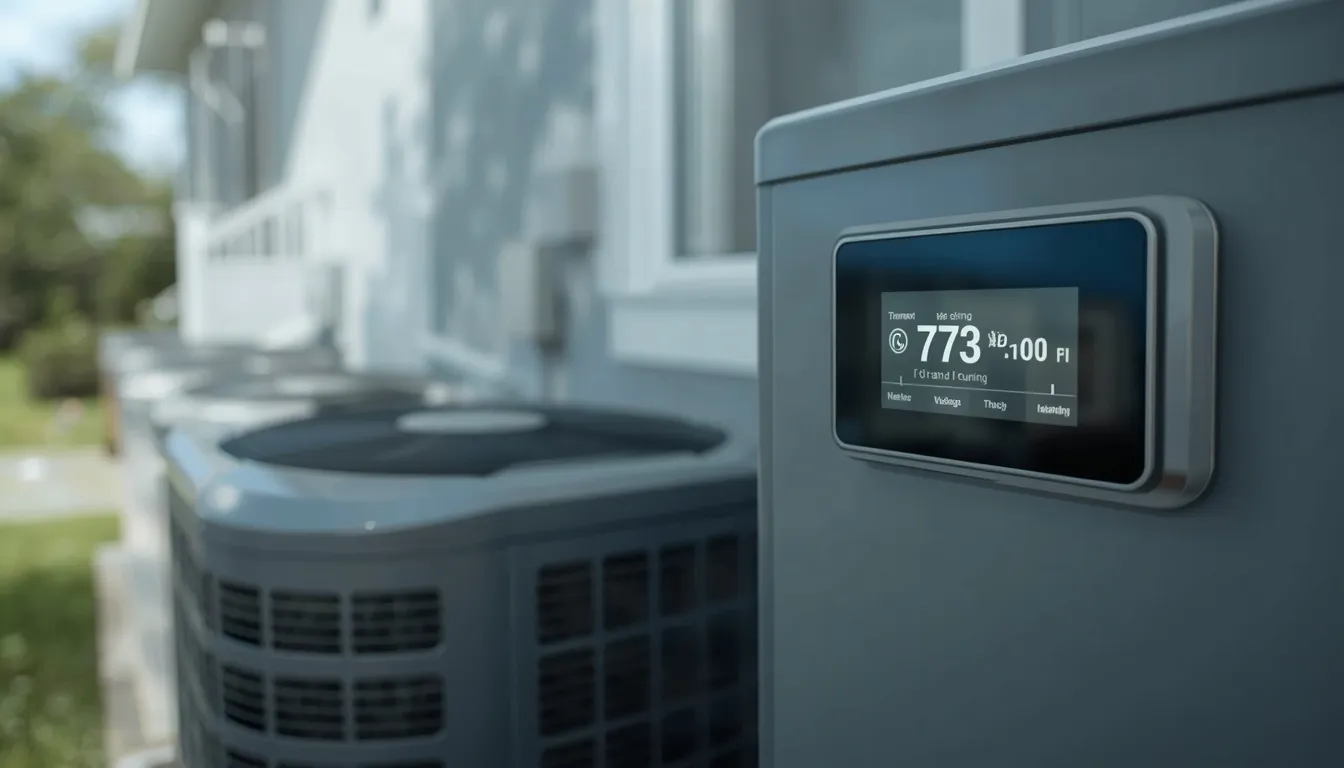
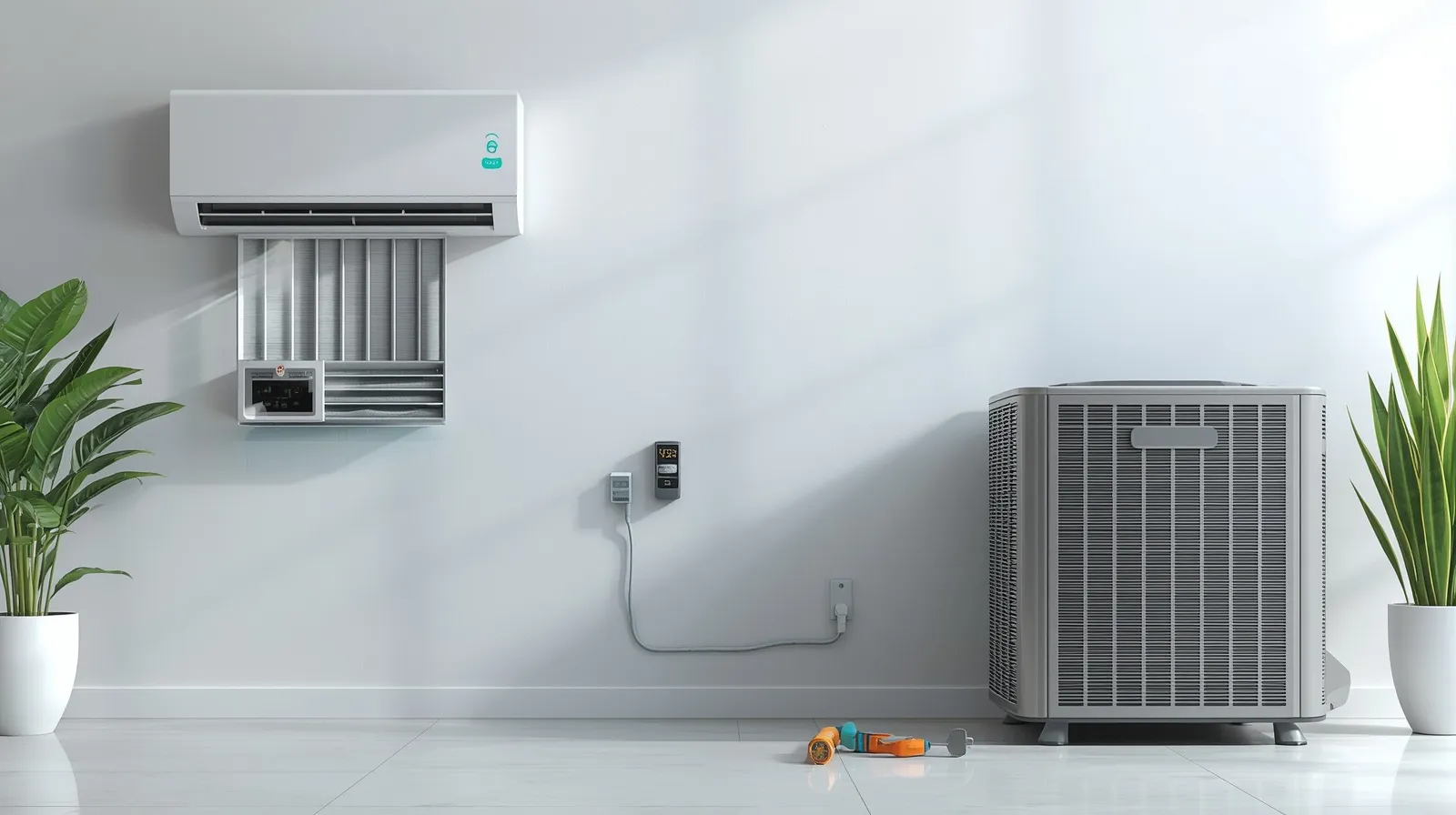
The process of troubleshooting HVAC system problems starts with checking the thermostat, power, filter, vents, and outdoor unit. These safe checks can reveal simple causes. Stop if you smell burning, see sparks, hear grinding, or find exposed wires. A technician should handle electrical faults, refrigerant leaks, and damaged parts. Careful HVAC troubleshooting helps you choose a safe fix or professional service.
Why HVAC Problems Can Disrupt Your Home Comfort
Your heating and cooling system controls temperature, airflow, and moisture. When it fails, rooms may feel hot, cold, damp, or stuffy. Energy use may rise because the equipment runs longer.
Small issues can create larger problems. A dirty filter reduces airflow. A weak thermostat battery may stop a cooling cycle. A blocked drain can cause water near the indoor unit. Some common HVAC problems have simple causes.
Notice changes in sound, airflow, smell, and temperature. These signs help you explain the problem during a service visit. Early action may also prevent more damage.
What Should You Do When Your HVAC Is Not Working?
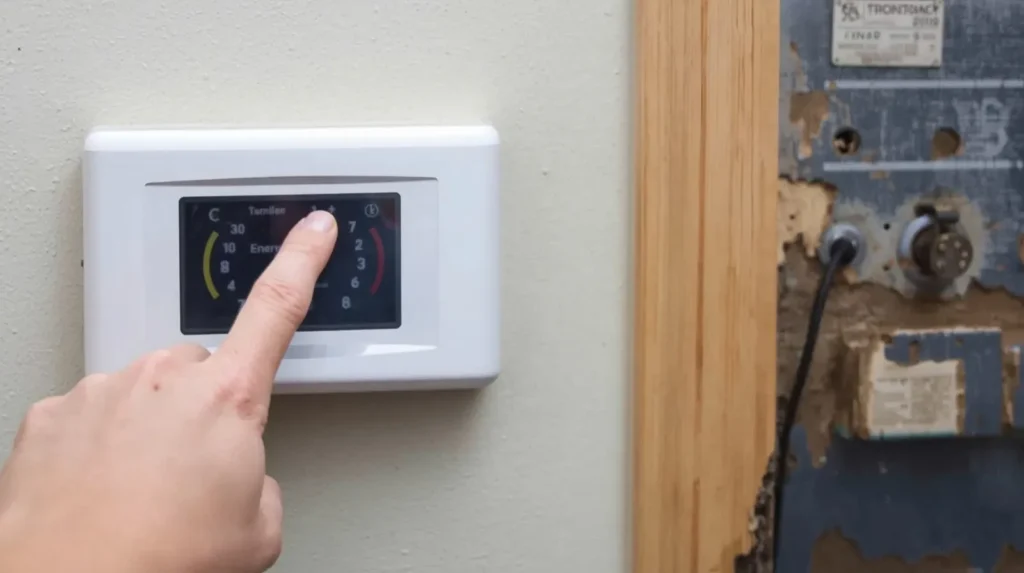
Start with safe checks. Confirm that the thermostat is set to heat or cool, not fan only. Adjust the target temperature several degrees. Replace weak batteries if the screen looks blank or faded.
Check the electrical panel for a tripped HVAC breaker. Reset it once by moving it fully off, then on. Do not reset it again if it trips because an electrical fault may exist.
Replace a filter covered with dirt. Keep vents and return grilles open. Remove debris around the outdoor unit, but stay away from fans and electrical parts.
If the HVAC is not working after these checks, turn it off and request professional help. Running faulty equipment can cause more damage.
Troubleshooting HVAC System Problems Step by Step
Follow these steps in order to check your HVAC system safely.
Identify the main problem
Notice what the system is doing. Check whether it will not turn on, blows weak air, makes unusual sounds, or runs without changing the room temperature.
Check the thermostat
Make sure the thermostat is set to heating or cooling. Check the temperature setting, batteries, timer, and schedule. Replace weak batteries if the screen looks dim or blank.
Inspect the air filter
Remove the filter and check for dust or dirt. Replace it if it looks clogged. A dirty filter can reduce airflow and cause the system to work harder.
Check the vents and return grilles
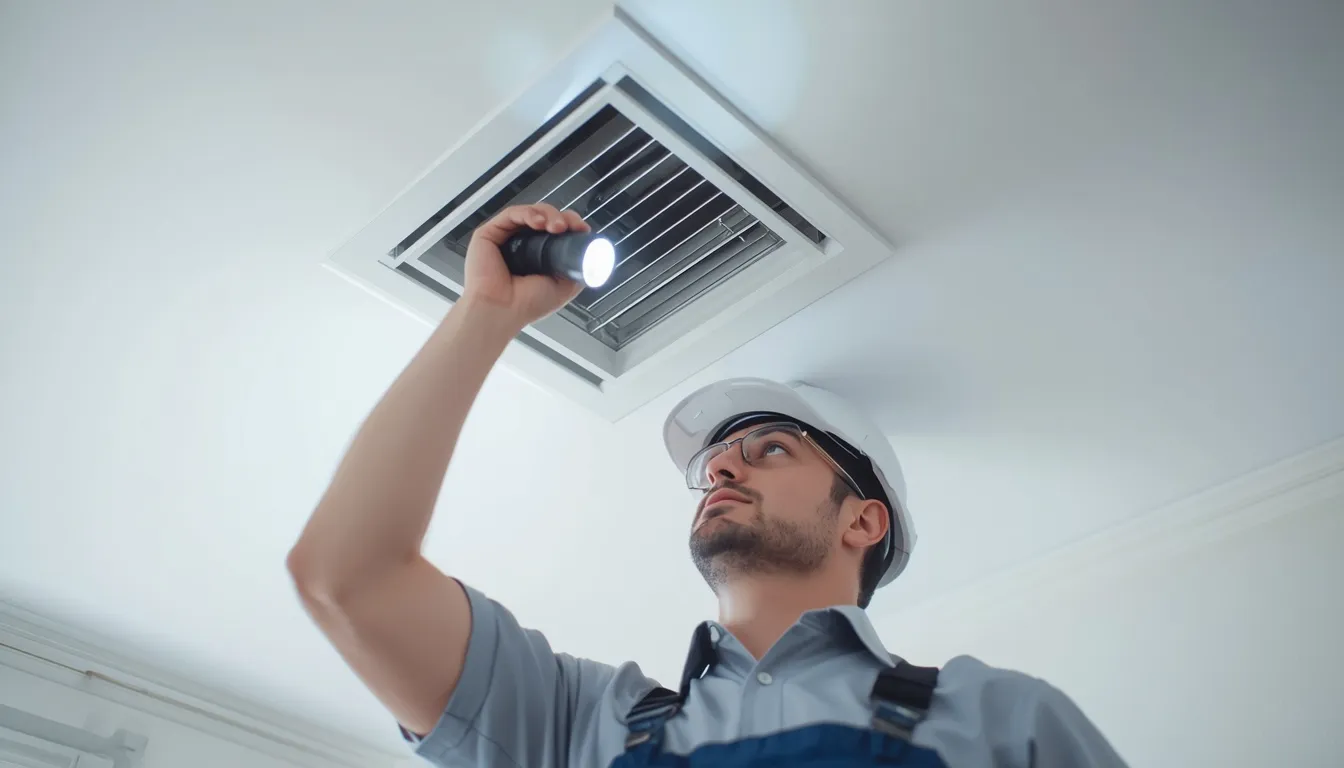
Open all vents and make sure furniture, curtains, rugs, or boxes do not block them. Clean dust from the return grilles so air can flow freely.
Check the breaker and service switch
Look at the electrical panel for a tripped breaker. Reset it only once. Also check the service switch near the indoor unit, which may look like a regular light switch.
Inspect the outdoor unit
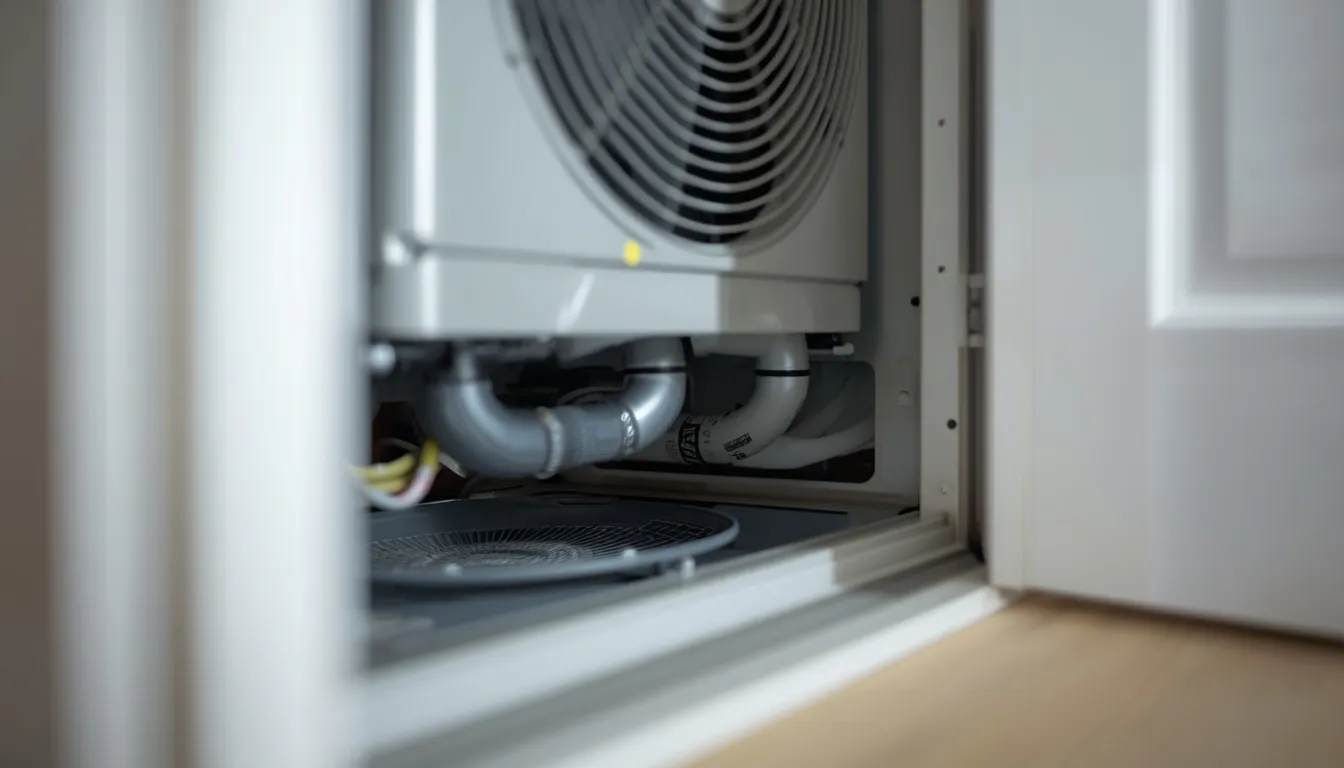
Look for leaves, dirt, grass, or other debris around the unit. Remove loose debris carefully, but do not open the unit or touch electrical parts.
Look for water or ice
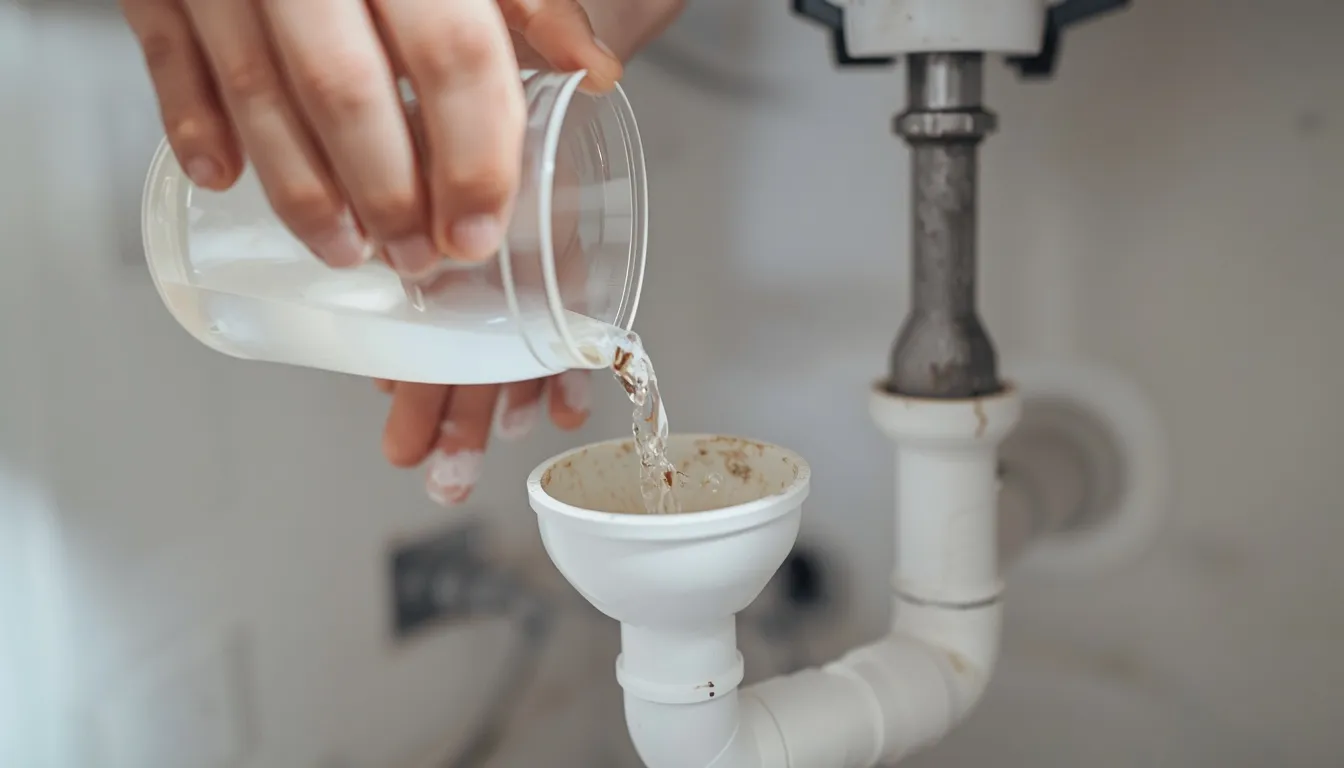
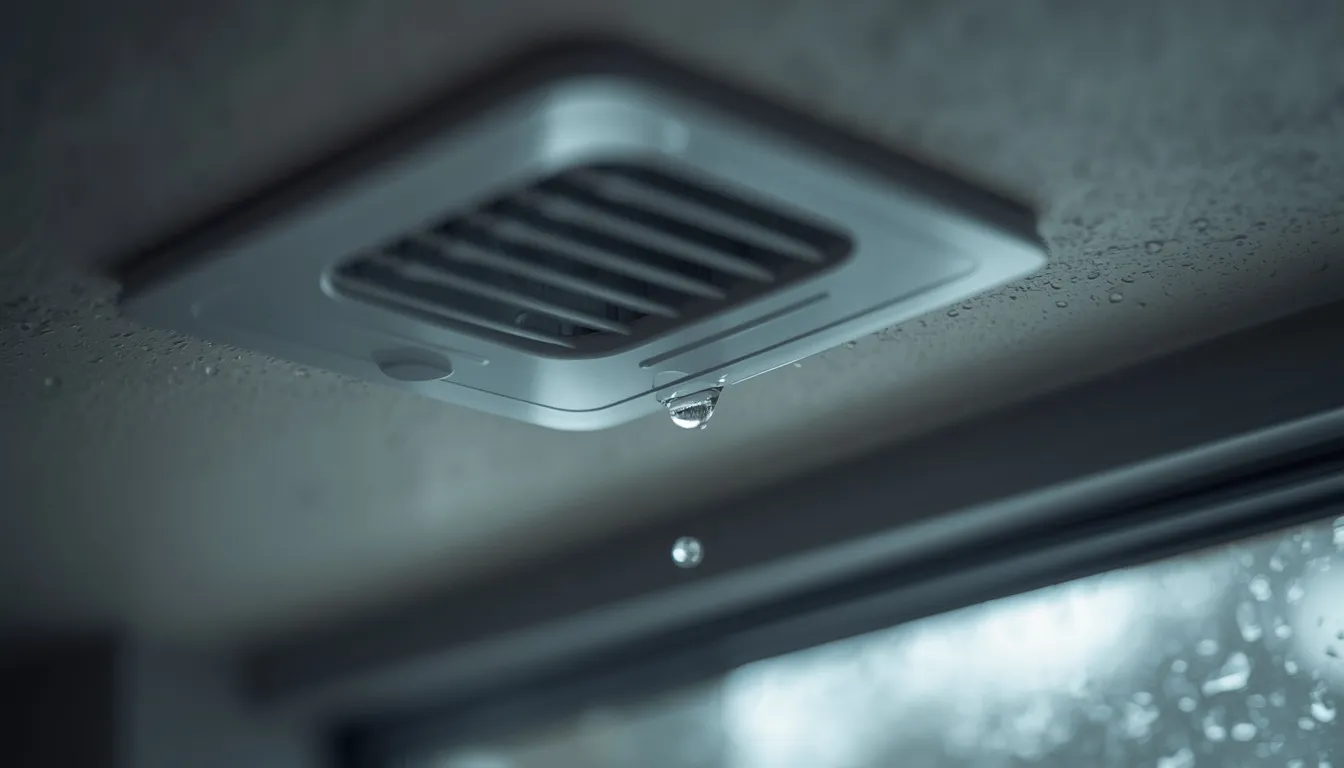
Check for water near the indoor unit and ice on the pipes or coil. A blocked drain, dirty filter, or refrigerant problem may cause these signs.
Restart the system
After completing the safe checks, restart the HVAC system. Wait several minutes because many systems have a built in delay.
Call a technician if the problem returns
Turn the system off if it still does not work, trips the breaker, leaks water, freezes, or makes loud sounds. Record the symptoms and contact a technician for proper testing..
What Are the Most Common HVAC Problems?
Common issues involve airflow, controls, power, drainage, and worn parts. Dirty filters cause weak airflow and longer run times. Closed vents and blocked returns can create similar symptoms.
Thermostat errors may prevent startup. Tripped breakers, loose switches, and failed capacitors can leave a unit silent. A capacitor helps a motor start, and only a trained professional should test it.
A clogged drain may cause leaks or shutdowns. Low refrigerant can reduce cooling and create ice. Refrigerant does not get used like fuel, so a low level often means a leak.
Other signs include short cycling, strange smells, rattling, buzzing, and uneven temperatures. Since each sign has several possible causes, avoid guessing.
How to Check Your HVAC Thermostat for Problems
HVAC thermostat problems can look like equipment failure. Begin by checking the display. Replace the batteries if the screen is blank, dim, or flashing. Make sure the thermostat sits firmly on its wall plate.
Confirm the mode and temperature. For cooling, set it below room temperature. For heating, set it above. Use auto so the fan runs with each cycle. The on setting keeps the fan running.
Check schedules, hold settings, and app controls. An old schedule may change your setting. Shut off system power before removing the thermostat cover to check for dirt.
Do not move wires without training because a mistake can damage the control board. If the thermostat loses power, shows an error, or fails to control the system, request testing.
Why Is Your HVAC System Not Cooling Properly?
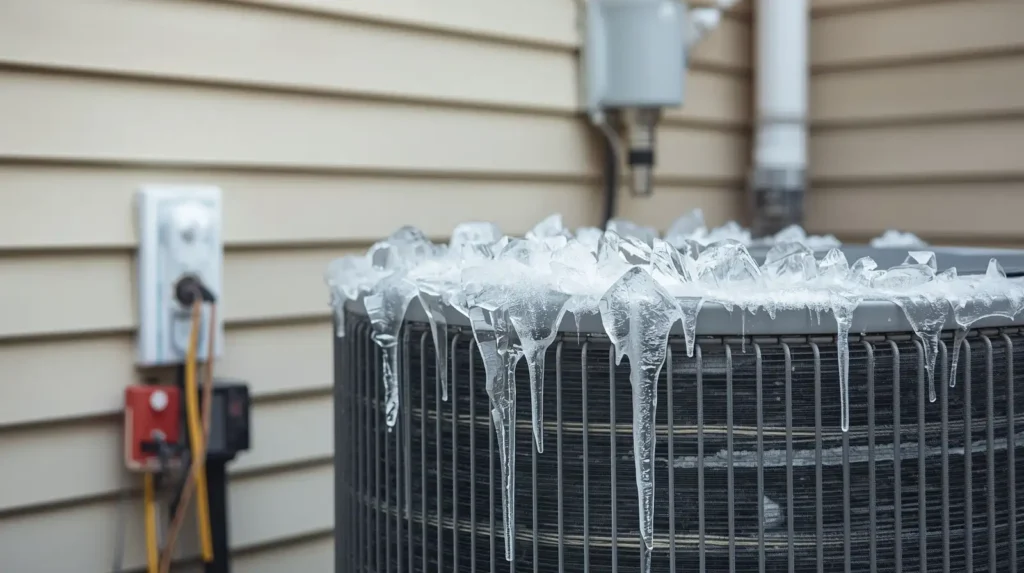
An HVAC system not cooling may still blow air, which can make the problem confusing. Start with the thermostat, filter, vents, and outdoor unit. A dirty filter or blocked return can reduce the warm air reaching the indoor coil.
Check whether the outdoor unit runs. If the indoor fan works but the outdoor unit stays off, the system cannot release heat from your home. Turn the system off if you hear humming, clicking, or repeated start attempts.
Ice on the copper line or indoor coil often points to poor airflow or a refrigerant problem. Do not scrape it. Turn cooling off and set the fan to on so the ice can melt. Replace a dirty filter, then call for service if ice returns.
Closed blinds, cooking heat, open doors, and sunlight can slow cooling. However, a healthy system should still make steady progress. If air stays warm, airflow remains weak, or the system runs all day, request a diagnosis.
How to Find and Fix Common HVAC Airflow Problems
Weak airflow often starts with a dirty filter, blocked vent, or closed damper. Replace the filter with the correct size and airflow direction. Open vents fully and move furniture, rugs, curtains, and boxes away from them.
Check return grilles as well. Returns pull room air back into the system. Blocking them can reduce airflow across the home. Dust the grille surface, but do not push tools into the duct.
Compare airflow from different rooms. One weak vent may point to a closed damper, crushed duct, loose connection, or dust buildup. Weak airflow everywhere may point to the filter, blower motor, indoor coil, or duct system.
Avoid closing many vents to force air into one room. This can raise duct pressure and strain the blower. If simple checks do not help, ask a technician to measure airflow and system pressure. These tests show whether the problem comes from the equipment or ducts.
How to Diagnose HVAC Problems Without Causing Damage
Learning how to diagnose HVAC problems begins with observation, not disassembly. Note when the problem started, which rooms feel different, and whether it happens all day or only during extreme weather. Listen for new sounds and note where they come from.
Use your senses carefully. A musty smell may point to moisture. A burning smell can signal an electrical or motor problem. A hissing sound may suggest an air leak or refrigerant issue. Leave the area and turn off the system if you smell gas or strong burning.
Take photos of error codes, water, ice, or damaged parts. Do not remove safety panels, touch wiring, add refrigerant, or bypass a switch. These actions can cause injury and hide the original problem.
Professionals may check voltage, temperature change, airflow, pressure, motors, and controls. Homeowners can provide useful observations, but trained testing confirms the cause.
Which HVAC Problems Can You Fix Yourself?
Homeowners can often replace filters, change thermostat batteries, open vents, clear light debris around the outdoor unit, and correct basic thermostat settings. You may also reset a tripped breaker once and check whether a service switch was turned off by mistake.
You can clean dust from return grilles and confirm that the outdoor unit has open space around it. Follow the equipment manual for simple maintenance steps. Shut off power before cleaning near any unit.
Leave electrical repairs, motor work, refrigerant service, gas components, sealed parts, and internal drain repairs to a trained technician. Call for help when a breaker keeps tripping, ice returns, water reaches electrical parts, or the system makes grinding sounds.
The safest rule is simple. If a task requires opening a panel, testing live power, handling chemicals, or changing a part, stop. A service call usually costs less than damage caused by an unsafe repair.
When Should You Call a Professional HVAC Technician?
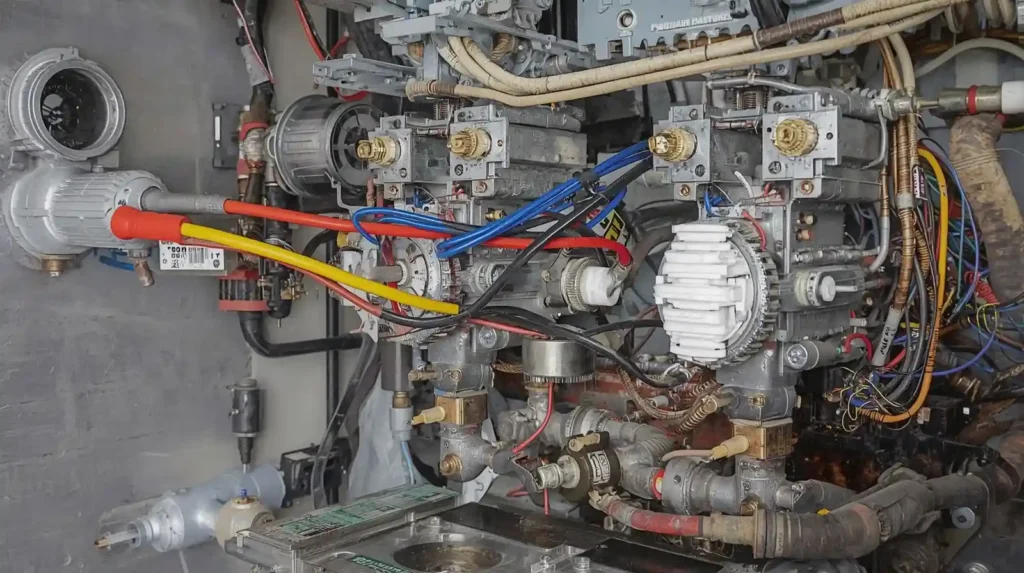
Call a technician when basic checks do not restore normal operation. You should also call when the system stops often, runs constantly, blows warm air during cooling, or cannot keep rooms comfortable.
Urgent warning signs include burning smells, smoke, sparks, exposed wires, loud grinding, gas odors, and water near electrical parts. Turn the equipment off and leave the area if you suspect a gas leak. Contact the gas provider or emergency services from a safe place.
A professional can test parts instead of guessing. Ask for a clear explanation of the fault, the recommended repair, and available options. A good service visit should identify the cause, not only treat the symptom.
Before the visit, write down the model number, thermostat message, recent filter change, and any sounds or leaks. This information helps the technician understand when the problem appears.
Keep a simple record of filter changes, repairs, unusual sounds, and thermostat errors. This history helps a technician spot patterns and may prevent repeated service visits. It also shows whether the same part keeps failing or the equipment has started losing performance during regular daily use.
Contact troubleshooting hvac system in West Palm Beach, FL
Regular checks can solve simple problems, but some faults need trained testing and safe repair. A careful approach protects the equipment and helps you avoid replacing parts that still work. It also gives you a clear answer when repair or replacement becomes necessary.
The team at troubleshooting hvac system can inspect controls, airflow, drainage, electrical parts, and cooling performance. A complete check can explain why the system failed and what steps can restore dependable comfort.
Contact the team today to request HVAC service and get clear help with your heating or cooling problem.