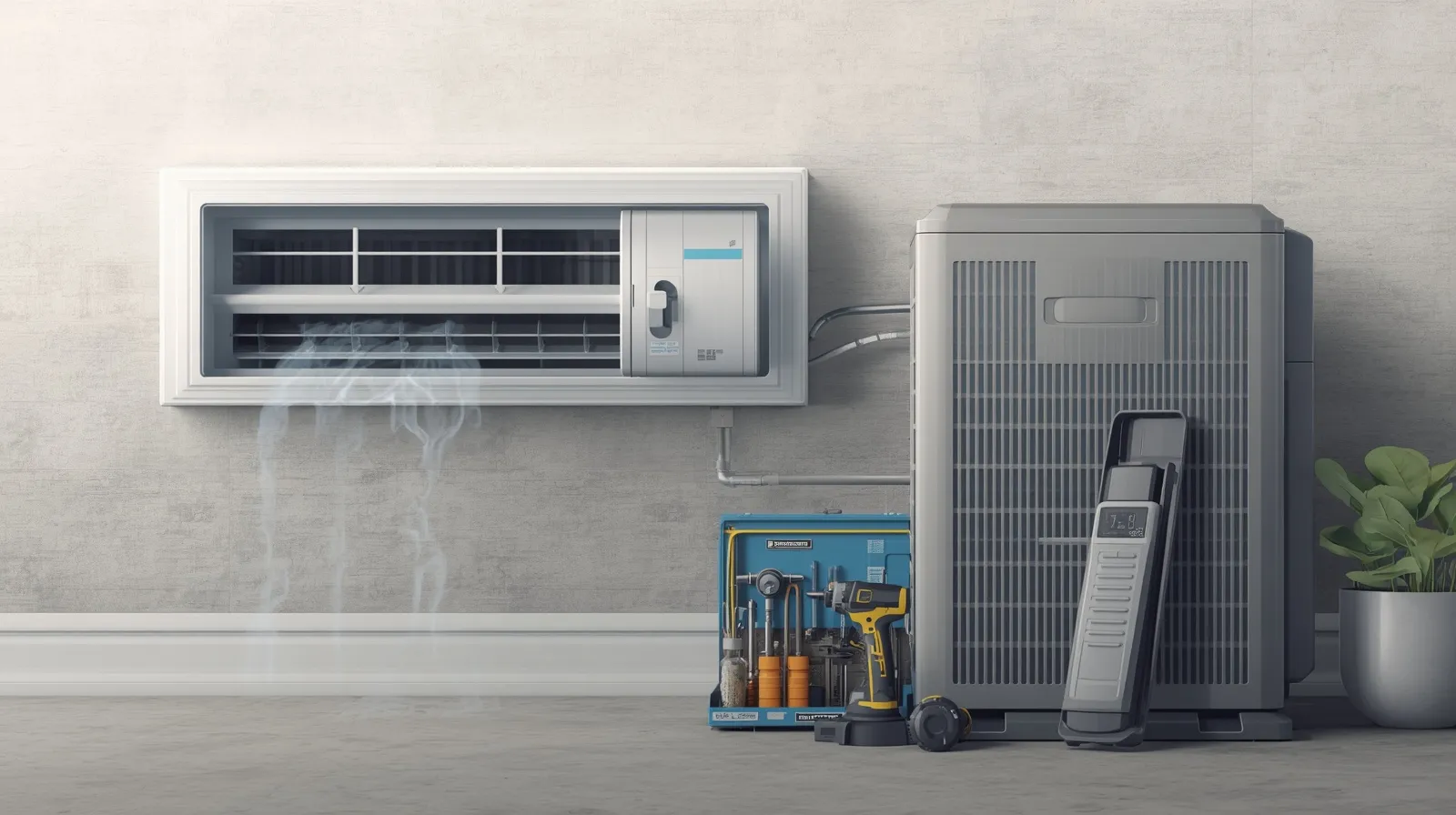
Your air conditioner may need repair if it blows warm air, makes strange sounds, leaks water, smells bad, cycles often, or raises your energy use. These signs your ac needs repair can start small, but they may point to a worn part, blocked airflow, low refrigerant, or an electrical problem. A quick check can help you decide whether the issue is simple or needs professional service. Acting early may protect the system, improve comfort, and prevent a minor fault from becoming a larger repair.
Is Your AC Trying to Tell You Something?
An air conditioner often gives warning signs before it stops working. You may notice that one room feels warmer than another, the system runs longer than usual, or the air from the vents feels weak.
Pay attention to any new sound, smell, leak, or change in cooling. A dirty filter, loose part, blocked drain, or faulty sensor may cause the problem.
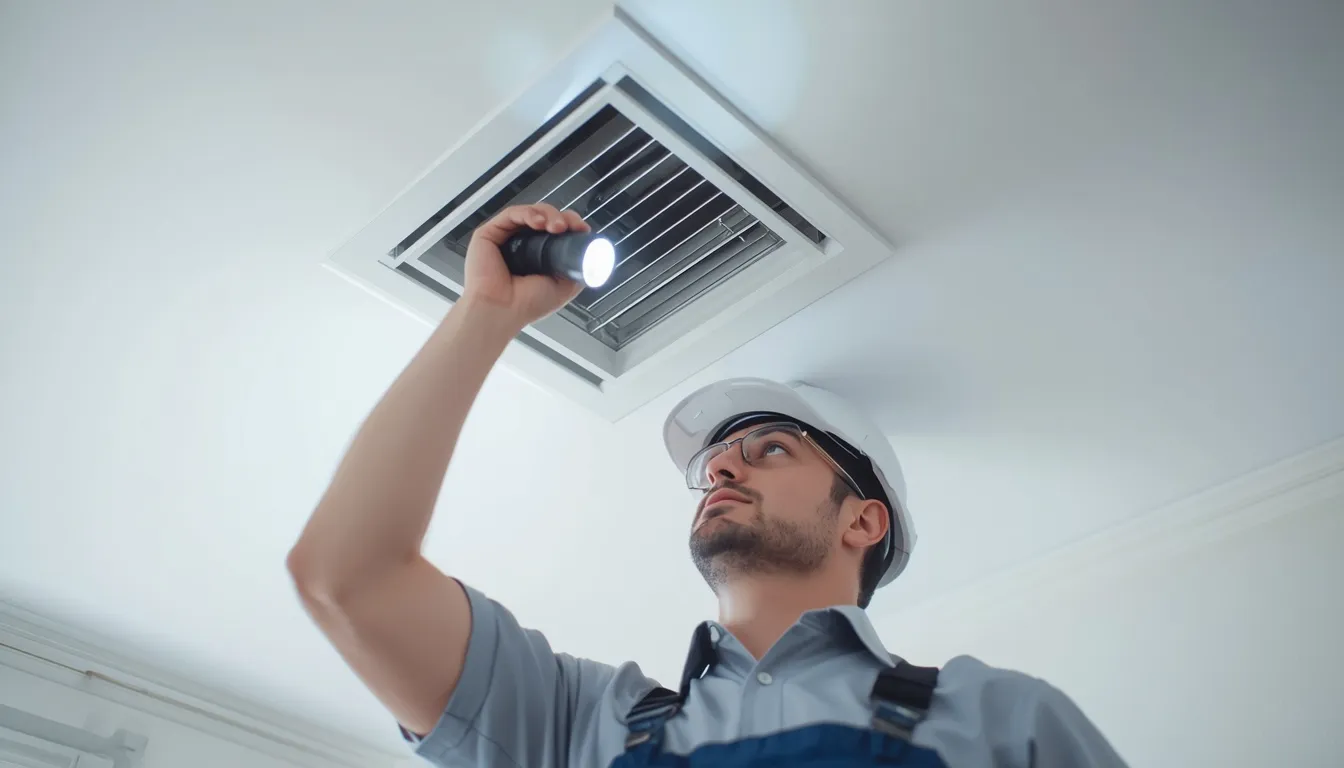
Start by comparing how the system works now with how it worked before. If the change keeps happening, schedule an inspection. This helps prevent heat, stress, and rushed decisions.
Why Ignoring Early Air Conditioner Problems Can Cost More
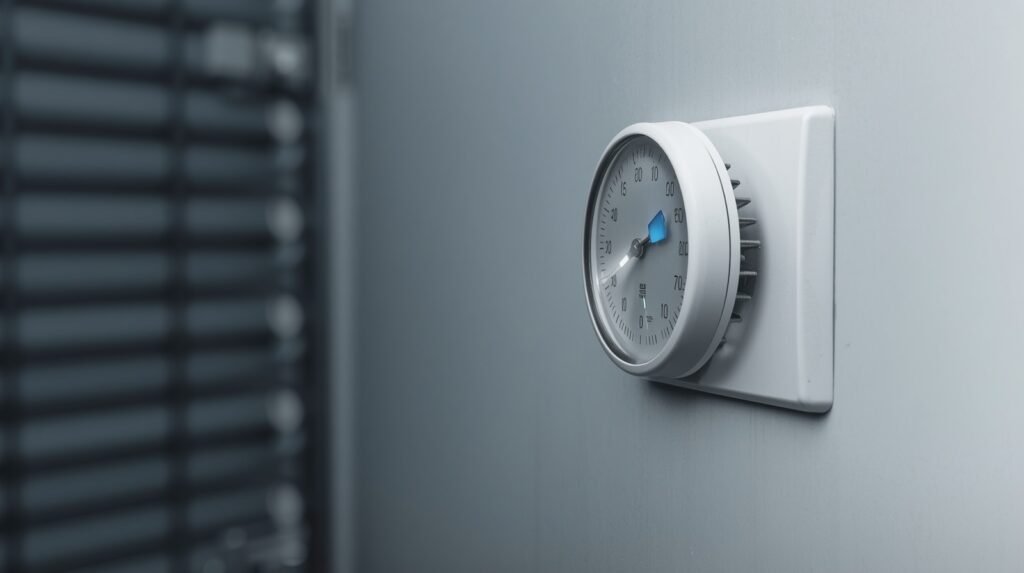
Minor air conditioner problems rarely fix themselves. A loose belt may wear down another part. A clogged drain may cause water damage. Low airflow can force the system to run longer, which adds strain to the motor and compressor.
When the unit works harder to reach the thermostat setting, it uses more power. You may notice longer cooling cycles or a higher bill even though your daily habits have not changed.
Early repairs can help protect working parts and keep the system dependable. They also give you time to compare repair choices instead of making a rushed decision after a full breakdown. Call for help when a problem repeats, gets worse, or affects comfort. Fast action can prevent a small issue from spreading through the system.
7 Common Signs Your AC Needs Repair
The most common warning signs are easy to notice when you know what to watch for.
- Warm air comes from the vents even when the thermostat is set to cool.
- Airflow feels weak, uneven, or much lower than normal.
- The unit makes grinding, banging, buzzing, squealing, or rattling sounds.
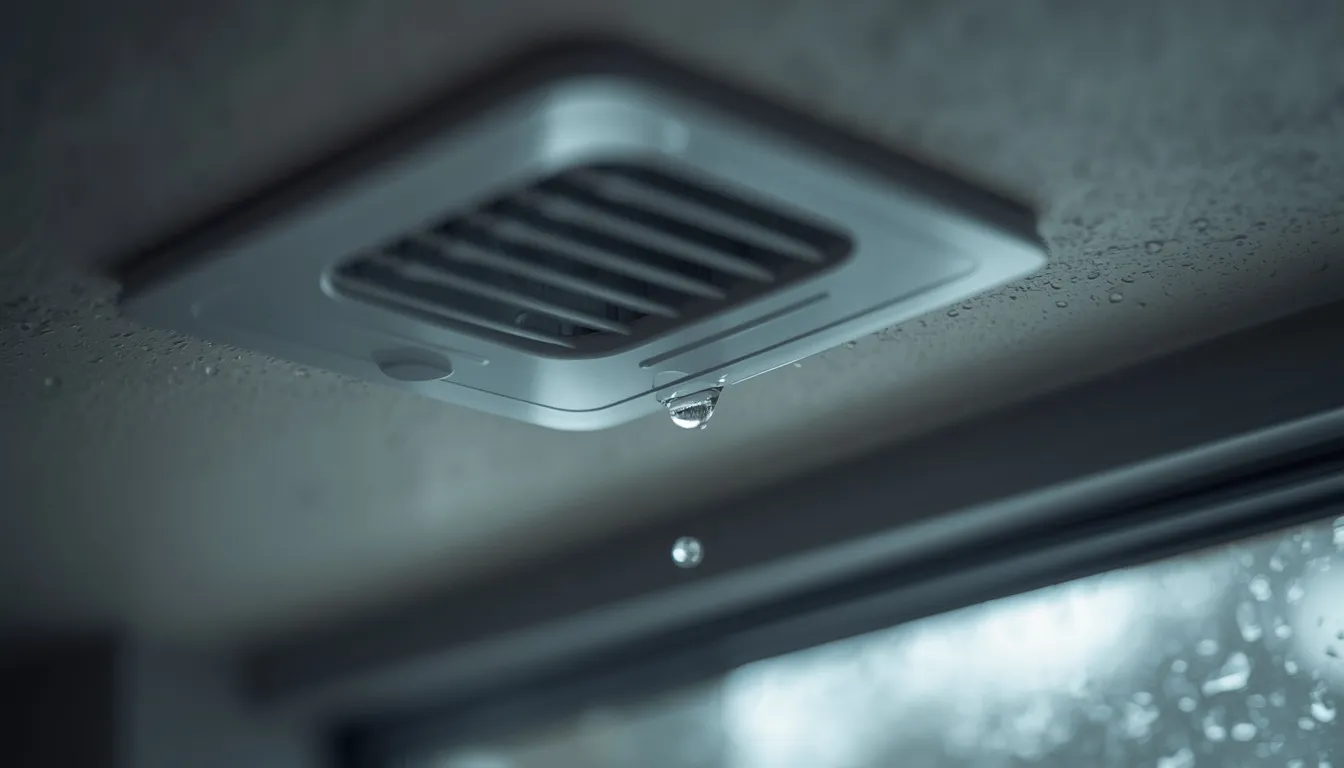
- Water collects near the indoor unit or drips from the ceiling.
- A musty, burning, or sharp smell appears when the system runs.
- The air conditioner turns on and off too often. This is called short cycling.
- Your energy use rises without a clear reason.
Several signs at the same time may point to a larger fault. Turn the system off if you smell burning, hear a harsh mechanical sound, or see heavy leaking.
How to Tell If Your Air Conditioner Is Broken
To learn how to tell if air conditioner is broken, begin with a few safe checks. Set the thermostat to cooling and choose a temperature below the current room temperature. Check that the circuit breaker has not tripped.
Look at the air filter. A thick layer of dust can block airflow and reduce cooling. Replace it if it looks dirty. Next, check that supply vents are open and not covered by furniture, rugs, or curtains. Do not open panels or touch wiring.
If the unit still blows warm air, shuts down, or trips the breaker again, stop testing. Repeated breaker trips can signal an electrical fault. A technician can test the controls, motor, refrigerant level, and other parts with proper tools.
Signs Your AC Is Going Out and May Stop Working Soon
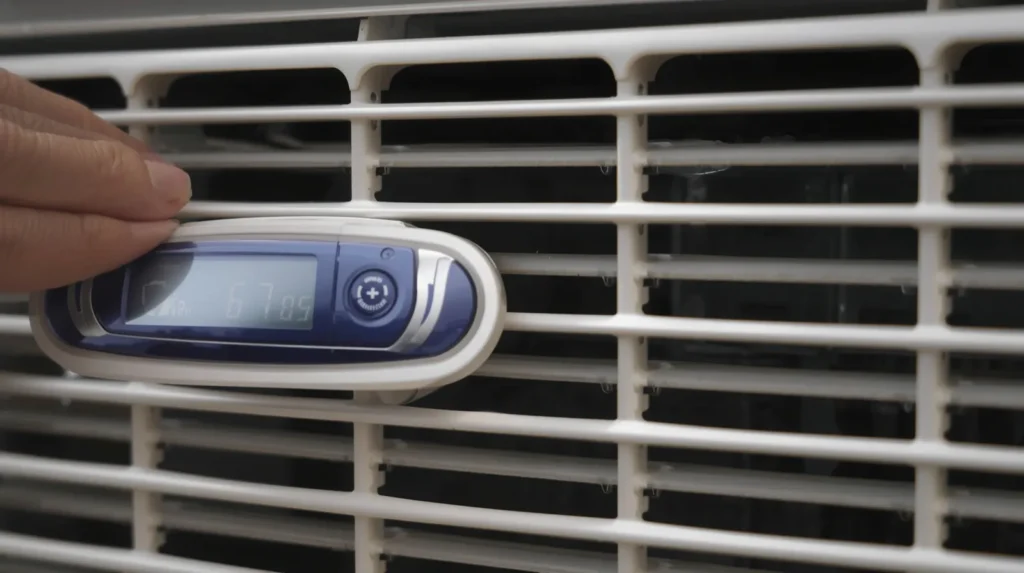
Some signs ac is going out appear days or weeks before a breakdown. The system may take much longer to cool the home. It may run almost all day, then fail to reach the thermostat setting. You may also notice frequent repairs, new noises, or weaker airflow from several vents.
Another clue is poor humidity control. A working air conditioner removes some moisture as it cools. If the home feels sticky even when the temperature is low, the unit may not be working correctly. Ice on the refrigerant line or indoor coil also signals a problem. Turn the system off and let the ice melt. Do not scrape it away.
A technician should check the system condition, repair cost, and expected life. This gives you a clearer choice between repair and replacement.
What Strange AC Noises, Smells, and Leaks May Mean
Different sounds can point to different faults. Rattling may come from a loose panel or debris. Squealing may mean a worn belt or motor bearing. Grinding can signal serious motor trouble. Buzzing may relate to an electrical part, loose wiring, or a frozen outdoor unit. Turn the system off if a sound is loud, sudden, or harsh.
Smells also matter. A musty odor may come from moisture, mold growth, or a blocked drain. A burning smell may mean an overheated motor or electrical problem. Shut the unit off and call for service if you smell burning.
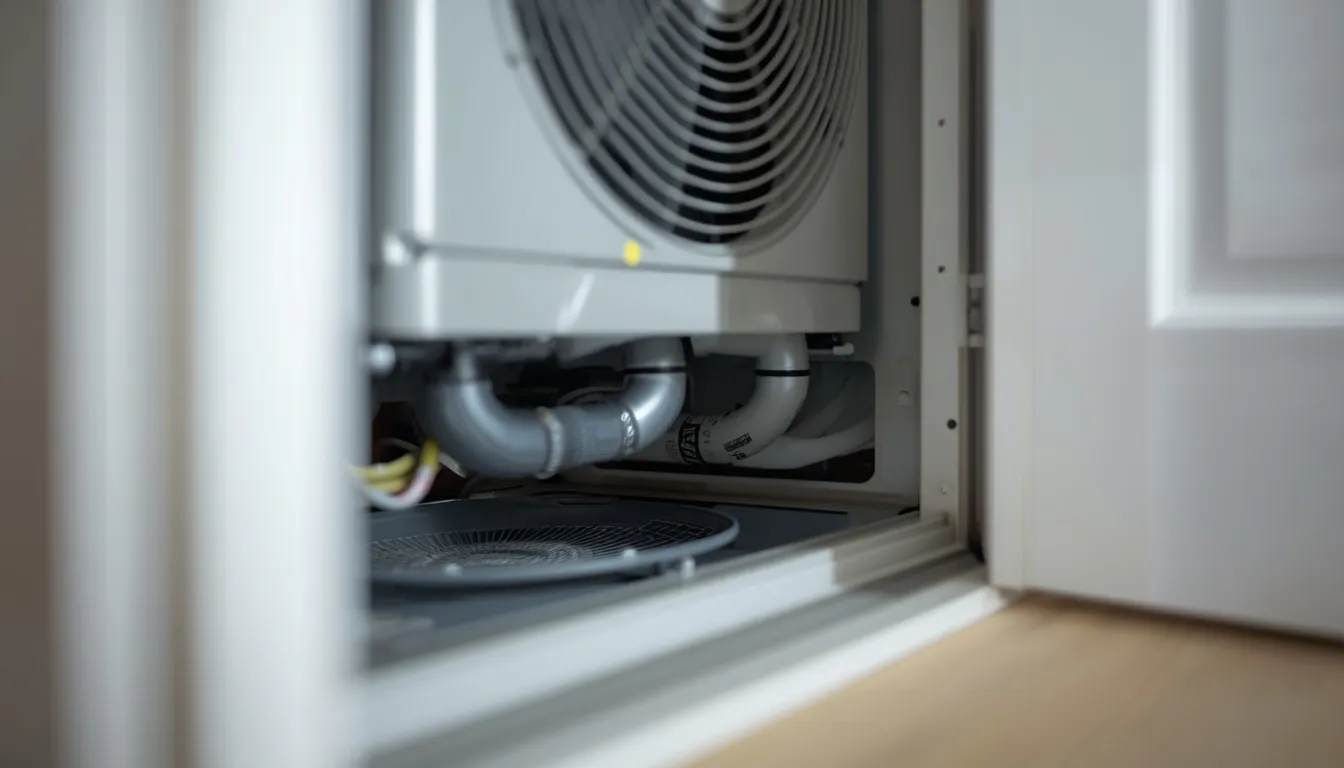
Water near the indoor unit often comes from a clogged drain line, frozen coil, or damaged drain pan. Refrigerant does not look like a pool of water, but a refrigerant leak can cause ice and poor cooling. Never add refrigerant without finding and fixing the leak first.
Why Your AC Runs but Does Not Cool Your Home
An air conditioner can run without cooling well for several reasons. Start with the thermostat, filter, and vents. Wrong settings, blocked airflow, or a dirty filter can reduce comfort. Closed doors may also trap warm air in rooms that do not have a return vent.
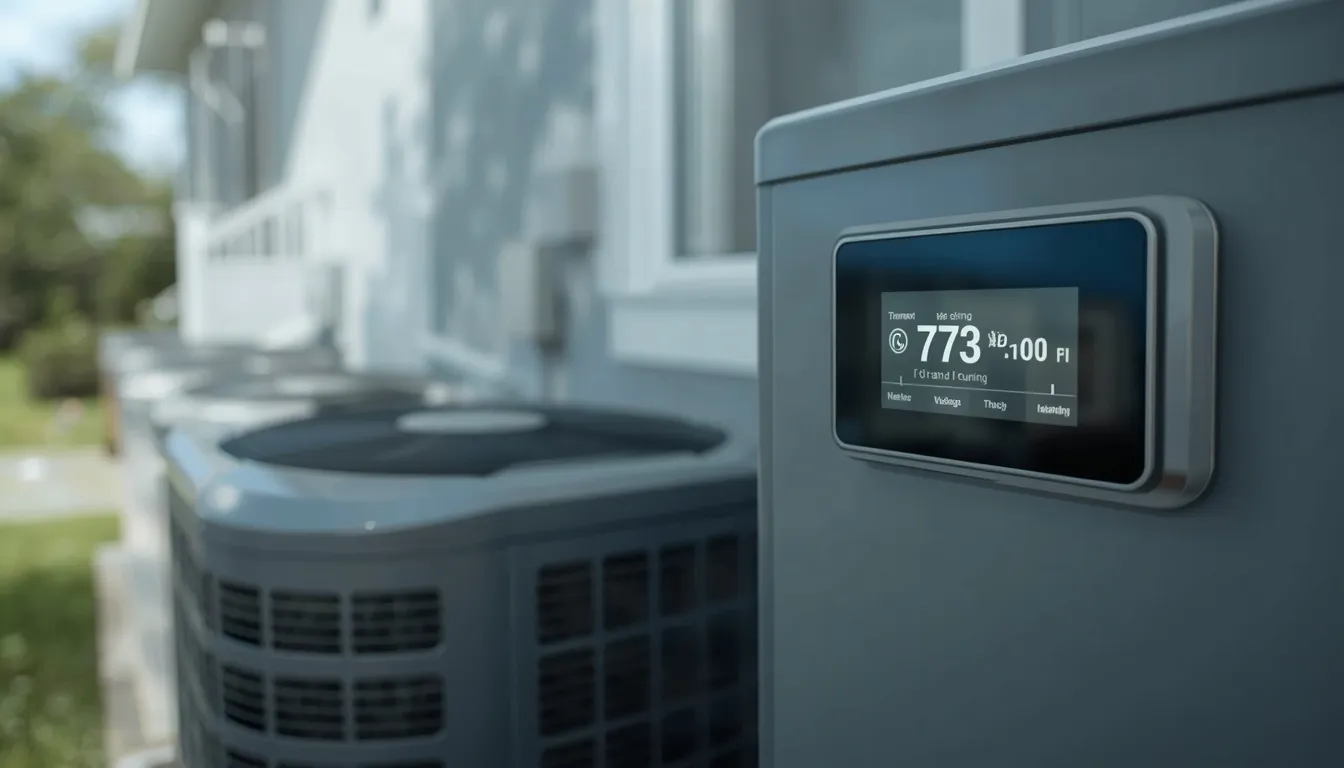
The outdoor unit needs open space to release heat. Leaves, dirt, and plants too close to the unit can limit airflow. Keep the area around it clear, but do not spray electrical parts or bend the thin metal fins.
Other causes need professional testing. The system may have low refrigerant, a weak capacitor, a failing compressor, a dirty coil, or a damaged fan motor. A capacitor helps a motor start and run. If it fails, the fan or compressor may struggle or stop.
Lower settings cannot fix the fault. It may only make the system run longer and increase wear.
When Should You Repair or Replace Your Air Conditioner?
Repair often makes sense when the problem is limited, the system has been reliable, and the cost is reasonable. Parts such as a capacitor, contactor, sensor, drain line, or fan motor may be replaced without changing the whole system. The best choice depends on the unit condition and the exact cause.
Replacement may make more sense when the system needs major repairs, breaks down often, cools unevenly, or uses much more energy than before. A damaged compressor or leaking coil can be costly. Older equipment may also use a refrigerant that is harder or more expensive to obtain.
Ask for a written diagnosis and clear price before deciding. A good estimate should explain the failed part, the repair steps, and any warranty. For replacement, compare system size, efficiency, comfort features, and installation quality.
What to Do Before Calling an AC Repair Company
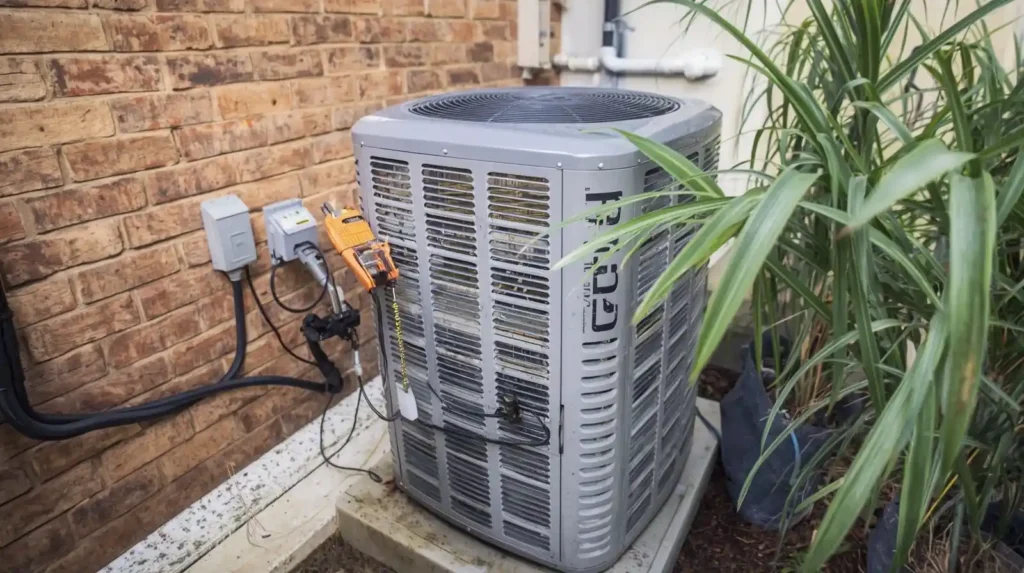
A few simple steps can help you give useful details to the repair company. Write down what you noticed, when it started, and whether it happens all the time. Note any sound, smell, leak, error code, or room that feels warmer than the rest.
Check the thermostat setting, air filter, breaker, and open vents. Do not remove service panels, touch wires, or try to add refrigerant. These tasks can create safety risks and may damage the unit.
Take a clear photo of any ice, water, or error message. If the system stopped after a storm or power outage, mention that when you call. Also share the unit brand, model number, and age if you know them.
Turn the system off when you smell burning, see smoke, hear grinding, or notice heavy water leaking. These details help the technician prepare, but they do not replace a full inspection.
Who to Call for Air Conditioner Repair in West Palm Beach, FL
Choose a company that explains the problem in clear language and gives you repair options before starting work. Ask whether the company can inspect the full system, not just the part that seems faulty. Cooling problems may come from airflow, electrical controls, drainage, refrigerant, or more than one issue.
Look for clear scheduling, written pricing, and honest answers. The technician should explain what failed, why it failed, and whether another part may have caused the damage. You should also receive guidance on how to prevent the issue from returning.
Avoid anyone who pushes a major repair without testing the system. Be careful with quotes that do not list parts, labor, or warranty terms. A careful diagnosis protects your budget and helps you make a confident choice.
Contact The Air Squad for Fast and Reliable AC Repair
Air conditioner problems often start with small changes in sound, airflow, temperature, smell, or run time. Watching for signs of air conditioner problems can help you act before the unit stops on a hot day. Begin with safe checks, such as the thermostat, filter, breaker, and vents. Then call a professional when the issue continues or involves electricity, refrigerant, ice, smoke, or heavy leaking.
A proper inspection should identify the cause, not just the symptom. It should also help you understand whether repair or replacement offers better value. Clear information makes the decision easier and helps protect your home, comfort, and cooling system.
Contact The Air Squad today to request an AC inspection and get clear repair options for your home.