Many common AC repairs take about one to two hours, while major repairs can take four to six hours or longer once work begins. Diagnosis, scheduling, and parts delivery may add time. The best estimate comes after a technician checks the system and confirms what needs fixing.
When your cooling stops, you need more than a broad promise. You need to know when someone can arrive, how long the visit might last, and whether the repair needs another appointment.
These are different parts of the timeline. A small part replacement may take less time than finding the fault that damaged it. A major repair may require a part that the technician cannot get that day.
Ask for an arrival window first. After diagnosis, ask for a repair estimate and any possible delays. This helps you plan work, childcare, and access to your home without relying on a guess.
When Will Your Home Feel Cool Again?
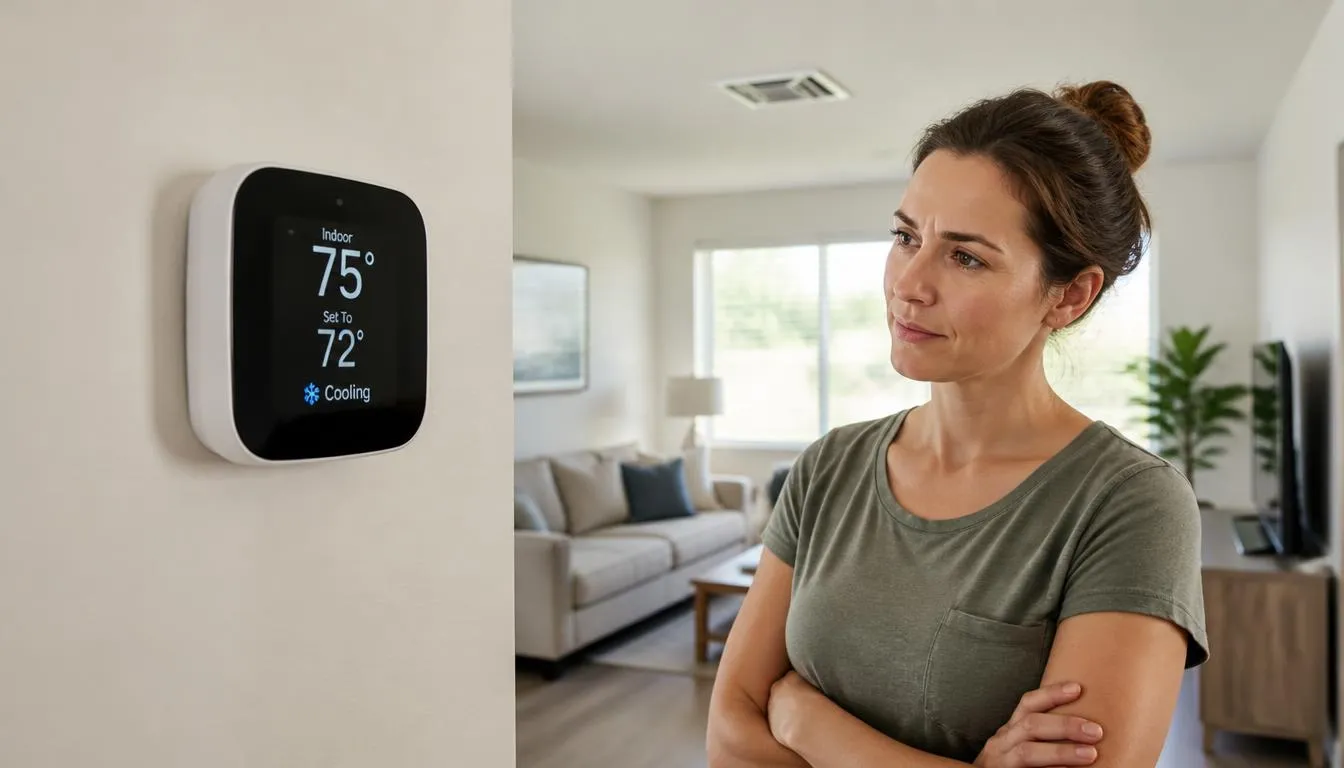
Finishing the repair does not mean every room will feel cool right away. Your AC still needs to remove the heat that built up while it was off.
Outdoor heat, indoor humidity, insulation, and the starting temperature all affect recovery. A house that stayed warm all afternoon may need longer than one that lost cooling briefly.
You should notice progress after the system starts working correctly, but there is no single cooling time for every home. Ask the technician what to expect based on current conditions.
Keep windows closed and use a normal thermostat setting. Setting the temperature much lower generally will not make a standard system cool faster. If the temperature fails to improve as expected, contact the service team.
What Happens During an AC Repair Visit?
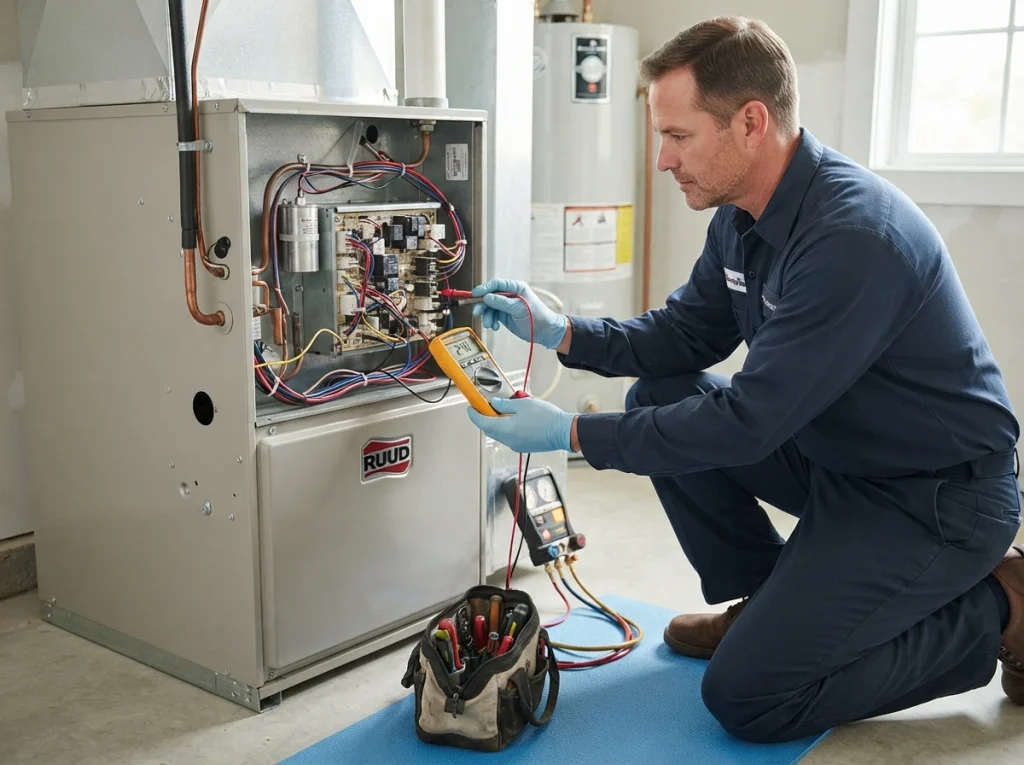
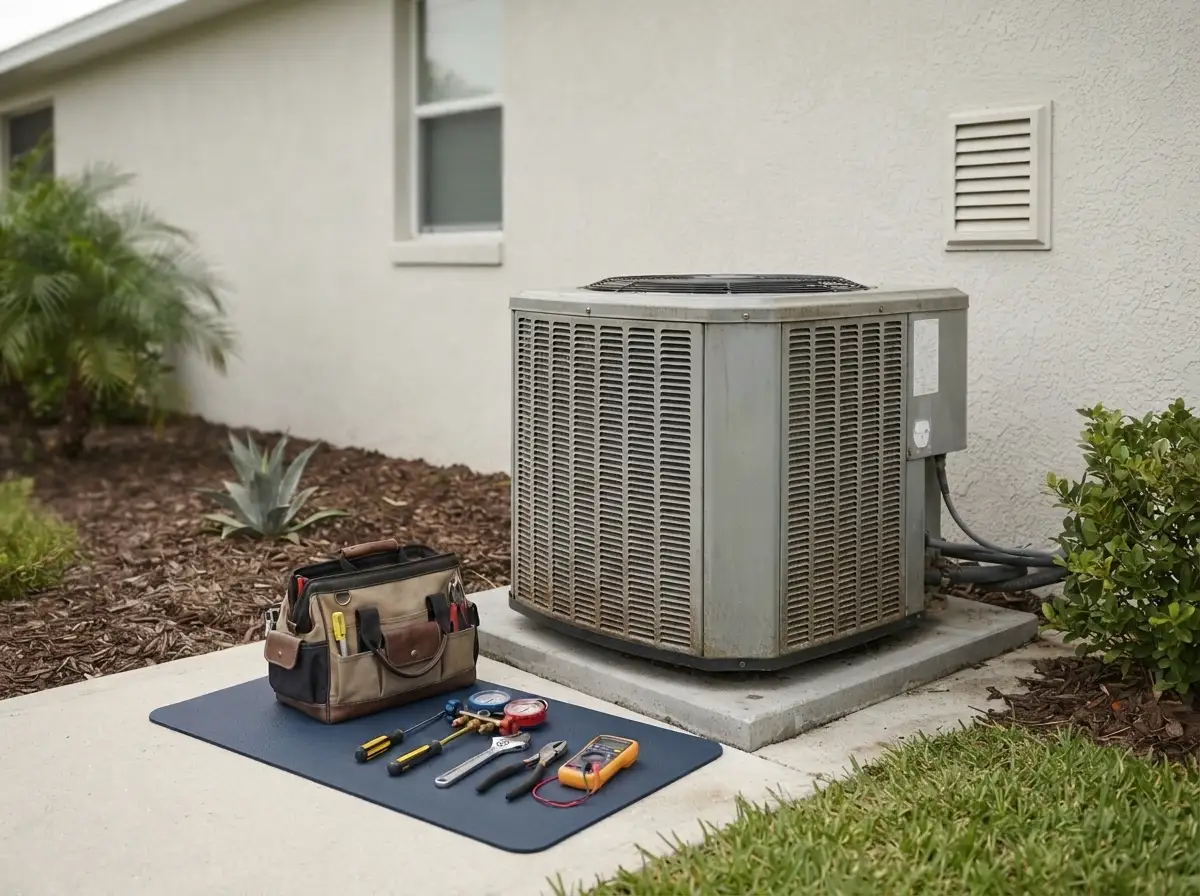
A repair visit usually includes inspection, diagnosis, approval, repair, and testing. Each stage helps the technician solve the actual problem.
First, describe what you noticed. Warm air, water near the indoor unit, strange sounds, and repeated shutdowns offer useful clues.
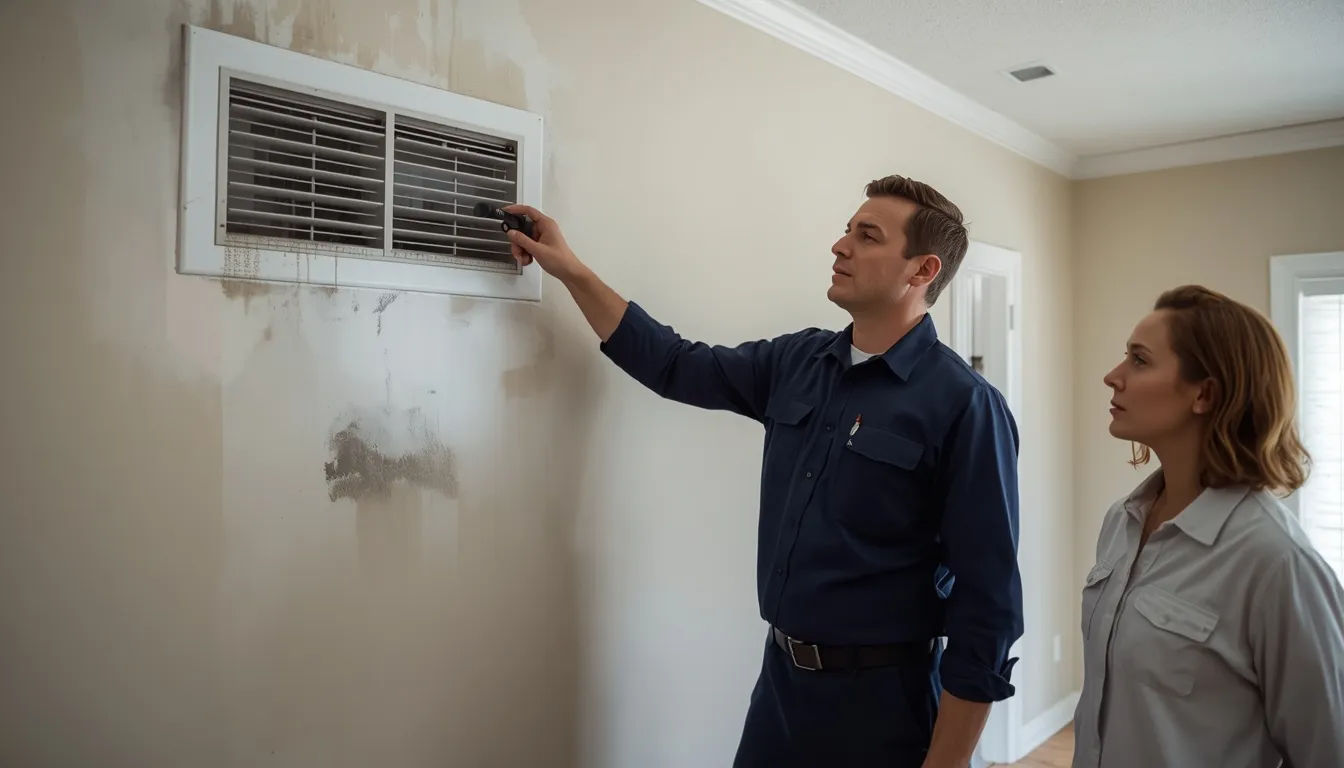
Next, the technician checks the system and takes readings where needed. They explain the findings, discuss the repair, and provide pricing before you approve the work.
Once the repair ends, they check the operation again. Replacing a part without checking the result leaves an important question unanswered: did the work restore normal cooling?
Before the visit ends, ask what caused the problem, what changed, and whether you need a follow-up appointment. Keep the written service record for future reference.
How Long Does AC Diagnosis Take?
AC diagnosis time depends on how clearly the fault shows itself. A visible broken part may offer an early clue. An issue that comes and goes often needs more testing.
There is no reliable time limit that fits every system. A technician may need to check the thermostat, airflow, electrical supply, motors, and refrigerant system before reaching an answer.
For example, an outdoor fan that will not spin could involve its motor, capacitor, wiring, or controls. The symptom alone does not identify the failed part.
Ask whether the quoted visit includes diagnosis and whether extra testing could cost more. If the cause remains unclear, request an update before further work.
Describe any recent changes, such as a thermostat replacement, power outage, or earlier repair. These details can help narrow the search. Share what you observed without assuming you already know which component caused the trouble. Careful diagnosis can help avoid paying for a part that never needed replacement.
Repair Times for Common AC Problems
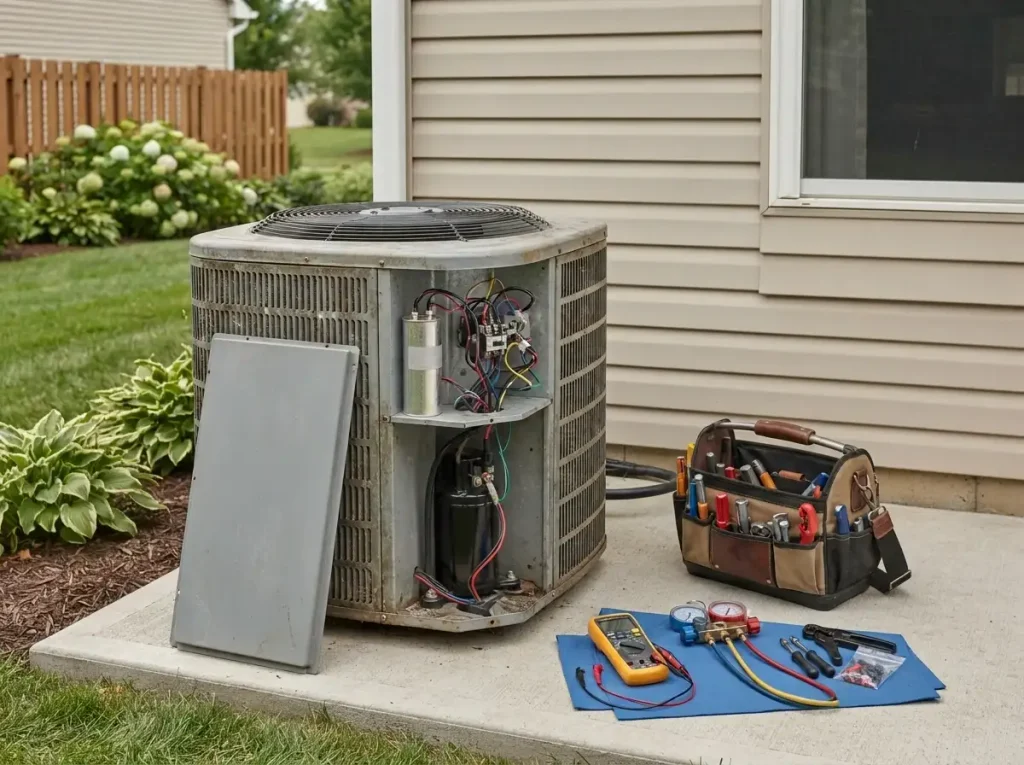
Use these broad ranges for planning, not as a promise. They describe repair work when the needed parts and access are available. Scheduling, fault finding, and extra testing can extend the total visit.
- Simple thermostat or capacitor replacement: The work may take about thirty minutes to one hour. Wiring problems or setup needs can add time.
- Other straightforward repairs: Many common jobs fit within roughly one to two hours, though the exact task matters.
- Compressor replacement or major electrical work: Plan for roughly four to six hours or more. Some systems need a longer visit or another appointment.
A refrigerant leak has no simple universal timeline. Finding the leak, reaching it, repairing it, and checking the sealed system all take time. Adding refrigerant alone does not fix a leak.
A blocked drain also varies. An easy blockage differs from a damaged pipe hidden behind a wall. Ask for an estimate that matches the actual problem rather than a general repair label.
Also ask whether the estimate means time spent working at your home or the full wait until cooling returns. This small detail prevents confusion when a repair takes two hours but the required part arrives tomorrow.
What Can Delay Your AC Repair?
Parts availability often separates a single visit from a longer wait. A technician may carry common parts, but a specific control board or motor may need an order.
The model and serial number help identify the right part. Similar looking components do not always work with the same system.
Access matters too. Tight attic spaces, blocked equipment, and hard to reach connections can slow the work. Outdoor conditions may also prevent safe service.
A frozen coil can delay testing because the technician may need the ice to melt first. Multiple faults can also change the plan after the first checks.
Ask what is causing the delay, who will provide updates, and when the next step can happen. A clear explanation is more useful than an exact finish time that no one can support.
If a part needs shipping, ask whether the delivery date is confirmed or only estimated. Keep your preferred contact information current so the office can reach you when the part arrives and arrange the return visit.
Can Emergency AC Repairs Finish Today?
Some emergency AC repairs can finish the same day, but an urgent appointment does not guarantee a completed repair. The problem, available parts, technician schedule, and safe working conditions still matter.
When you call, ask two separate questions: when can someone inspect the system, and what might prevent completion today?
Explain if the home is getting dangerously hot or someone needs a cool place for health reasons. Arrange a cooler location if needed rather than waiting in unsafe heat.
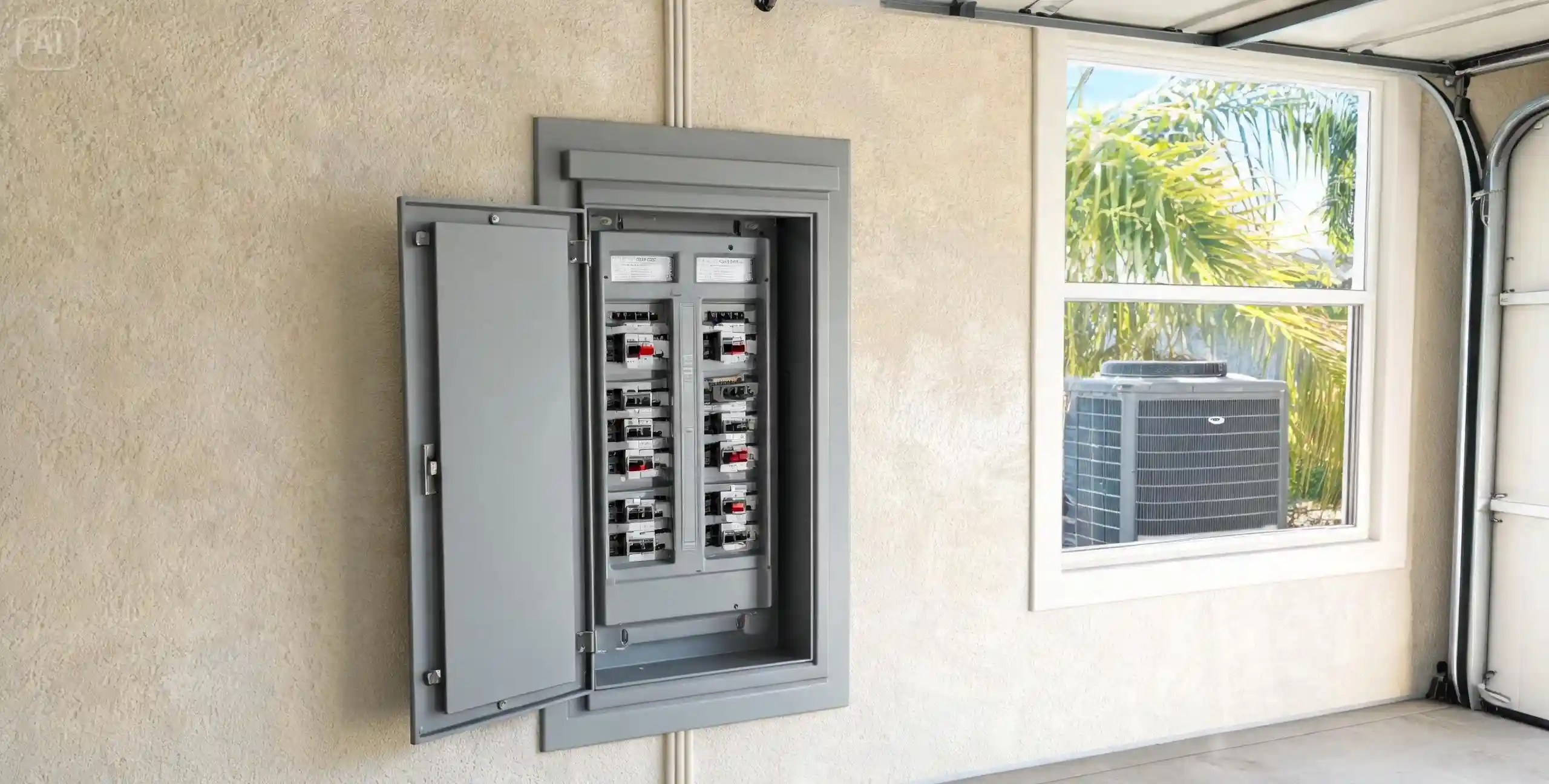
Tell the service team about burning smells, smoke, or repeated breaker trips. Leave faulty equipment off. If you see fire or smoke, leave the area and contact emergency services.
Confirm the service charge and any after hours fee before booking. Clear pricing helps you make a calm decision during a stressful AC breakdown.
How to Prepare for Faster Service
A few simple steps can help the visit move smoothly without asking you to repair anything yourself.
- Clear the work area. Move stored items away from the indoor unit and provide a clear route to the outdoor unit.
- Share system details. Send an accessible model number or a previous invoice if the service team requests it.
- Write down symptoms. Note when cooling stopped, any unusual sounds, and whether the problem happens all the time.
- Secure pets. Keep pets away from doors, tools, and work areas so the technician can move safely.
- Arrange access and approval. Make sure someone can admit the technician and approve the quoted work.
Do not remove equipment covers, handle wiring, or repeatedly restart a faulty unit. Avoid climbing into unsafe spaces to find a label. Useful details help, but your safety comes first.
Why Testing After Repairs Matters
Testing adds time for a good reason. The technician needs to confirm that the repair solved the fault and that the system runs as expected.
Depending on the job, checks may include airflow, temperature readings, electrical current, drainage, and refrigerant performance. Not every repair needs every test.
For example, after clearing a drain, the technician should check that water flows properly. After replacing a motor, they should confirm that it starts and runs correctly.
Ask whether the repair estimate includes these checks. Skipping them to leave sooner can miss a second problem or an incomplete fix.
Before departure, discuss any remaining concerns and the expected cooling recovery. You should know which signs call for another conversation with the service team.
When Is AC Replacement Worth Considering?
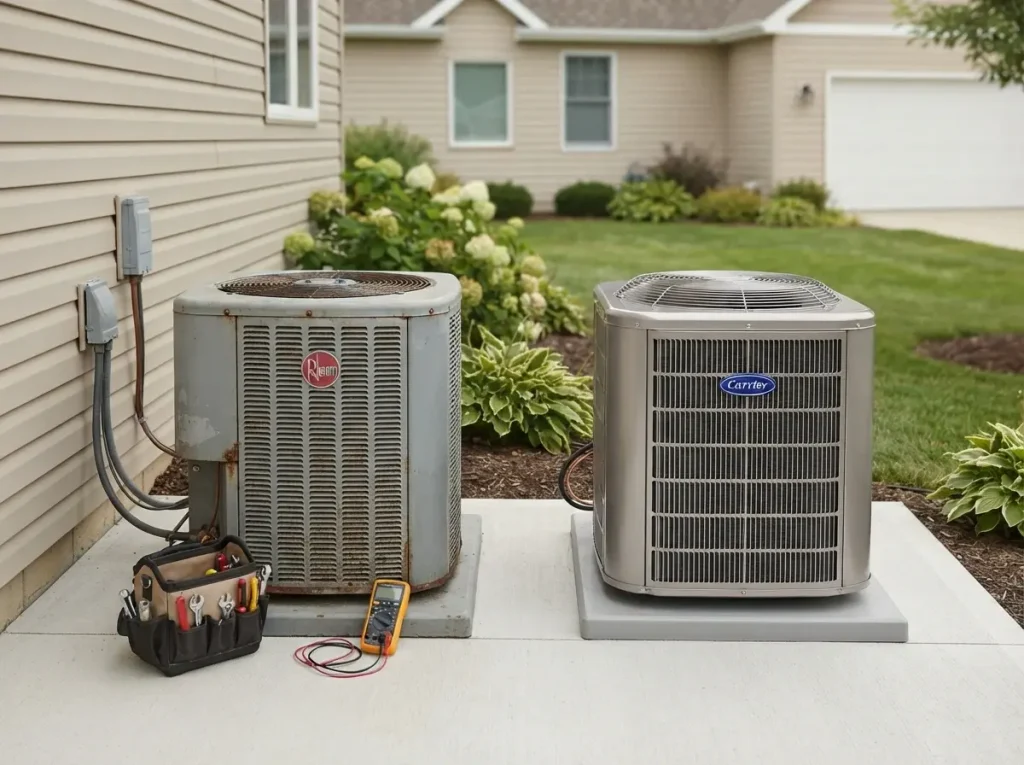
A long repair does not automatically mean you need a new system. A larger job may still make sense when the rest of the equipment remains in good condition.
Consider replacement when major repair costs, repeated breakdowns, poor performance, or hard to obtain parts make another repair less attractive. Age matters, but it should not decide the answer alone.
Compare written estimates for both options. Include warranty coverage, labor charges, related work, and the likely installation schedule. A replacement also needs planning and may not restore cooling sooner.
The Air Squad can discuss your AC service needs and help you understand the next step. Ask for the reason behind any recommendation so you can weigh cost, comfort, and timing together.
Schedule AC Repair With The Air Squad in West Palm Beach, FL
The most useful repair timeline includes the appointment, diagnosis, parts, repair work, and final checks. A short job can still involve waiting for a part, while a longer repair may finish during one planned visit.
Share your symptoms when you book, then request a clear, updated estimate after the inspection. Ask what could change the schedule and how you will receive updates. Clear answers help you plan around the disruption and choose the right repair.
Contact our team to request an AC service visit. Tell us what your system is doing so we can discuss scheduling and help you take the next step toward a cooler home.