Learning how to clean HVAC drain line clogs yourself can prevent water damage, save you a repair call, and keep your AC running smoothly, especially during humid months when condensation builds up fastest. With a few basic tools and about 15 minutes, most homeowners can clear a minor clog before it turns into a bigger problem.
Your AC’s drain line carries condensation away from your system and out of your home. Over time, dust, dirt, and algae can build up inside this narrow tube and slow or block the flow entirely. The good news is that cleaning it yourself is often simple, safe, and doesn’t require special tools. This guide walks you through exactly how to do it, along with when it’s time to call in help instead.
Is Your AC Drain Line Clogged? Here’s Why Cleaning It Matters
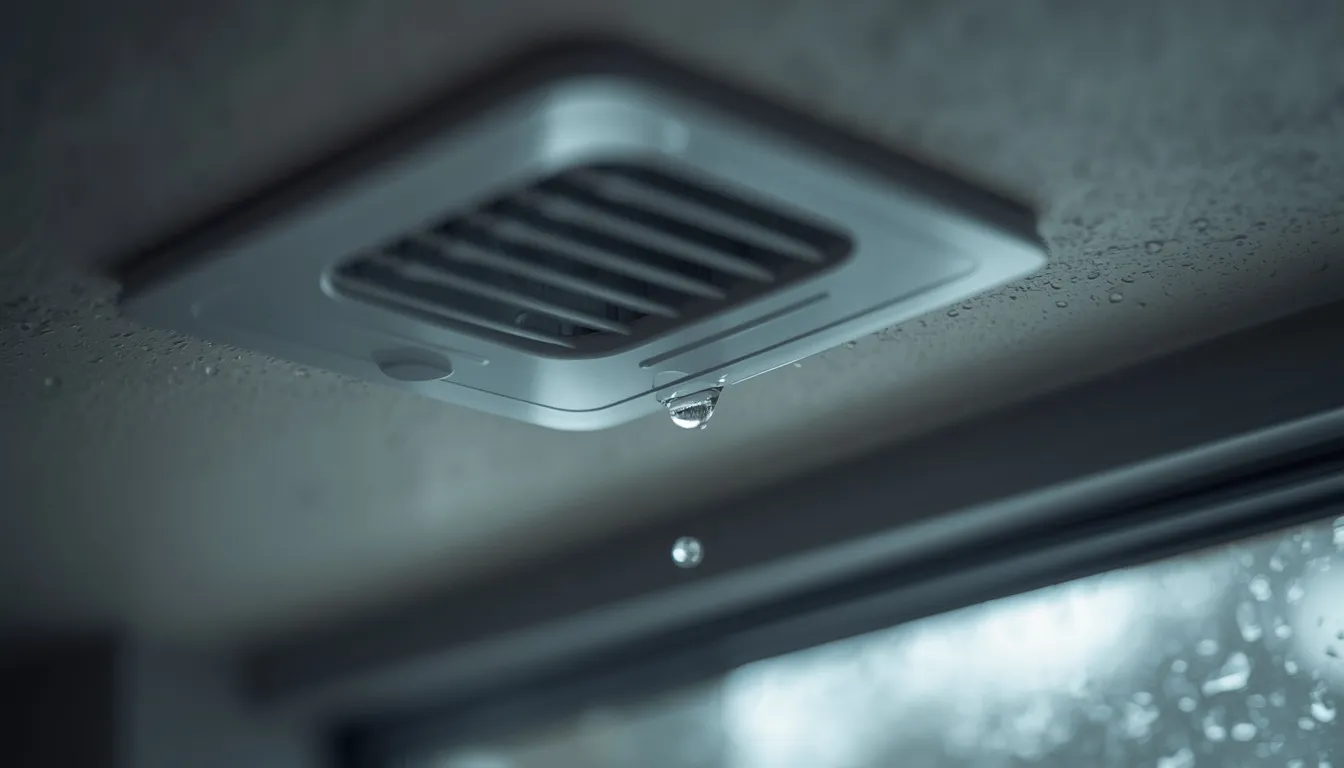
A clogged drain line is one of the most common reasons an AC system backs up, overflows, or shuts down unexpectedly. When water can’t drain properly, it has to go somewhere, and that usually means a full drain pan, a tripped float switch, or water damage to your ceiling or floor.
Regular cleaning is a simple habit that prevents most of these problems before they start. It’s one of the easiest parts of AC maintenance homeowners can handle on their own.
What Is an HVAC Drain Line and What Does It Do
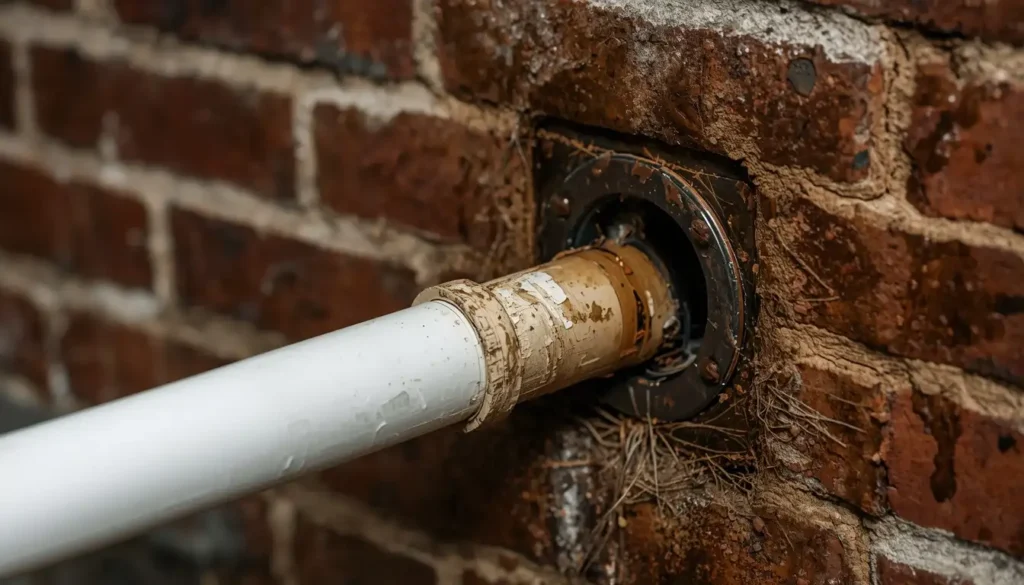
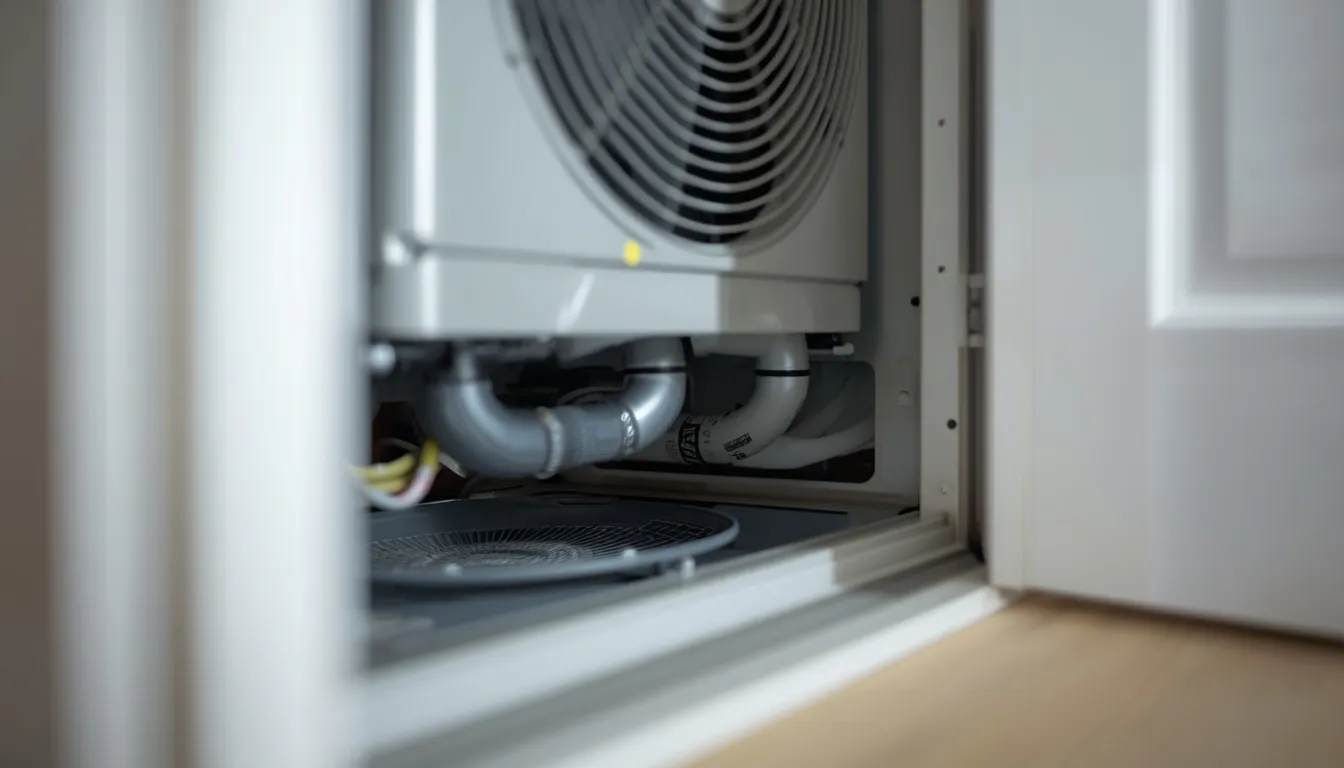
The drain line is a small PVC pipe connected to your AC’s drain pan. As your system removes moisture from the air, that water collects in the pan and flows through this line to a safe drainage point outside your home, or sometimes into a household drain.
Because the line is narrow and stays damp most of the time, it creates the perfect environment for algae, mold, and dirt to build up along the inside walls. Over months or years, this buildup can narrow the passage until water can barely pass through.
Signs Your AC Drain Line Needs Cleaning
You don’t need special tools to spot a clog. Watch for these common signs:
- Water pooling near the indoor unit or in the drain pan
- A musty smell coming from the air handler closet
- Your AC shutting off on its own during operation
- Slow or no water dripping from the outdoor drain line opening
- Visible algae or slime near the drain line access point
Catching these signs early usually means a simple cleaning fixes the problem completely.
What You’ll Need Before You Start Cleaning Your Drain Line
Cleaning your drain line doesn’t require anything fancy. Gather these items before you start:
- Distilled white vinegar
- A wet/dry shop vacuum
- A funnel
- A screwdriver, if your access point has a cap
- A towel to catch any spills
Most of these items are already sitting in your home, which makes this an easy weekend task.
How to Clean HVAC Drain Line: Step-by-Step DIY Guide
Follow these steps to clear a clogged drain line safely:
- Turn off your AC system at the thermostat before you begin
- Find the drain line access point, usually a T-shaped PVC fitting near the indoor unit
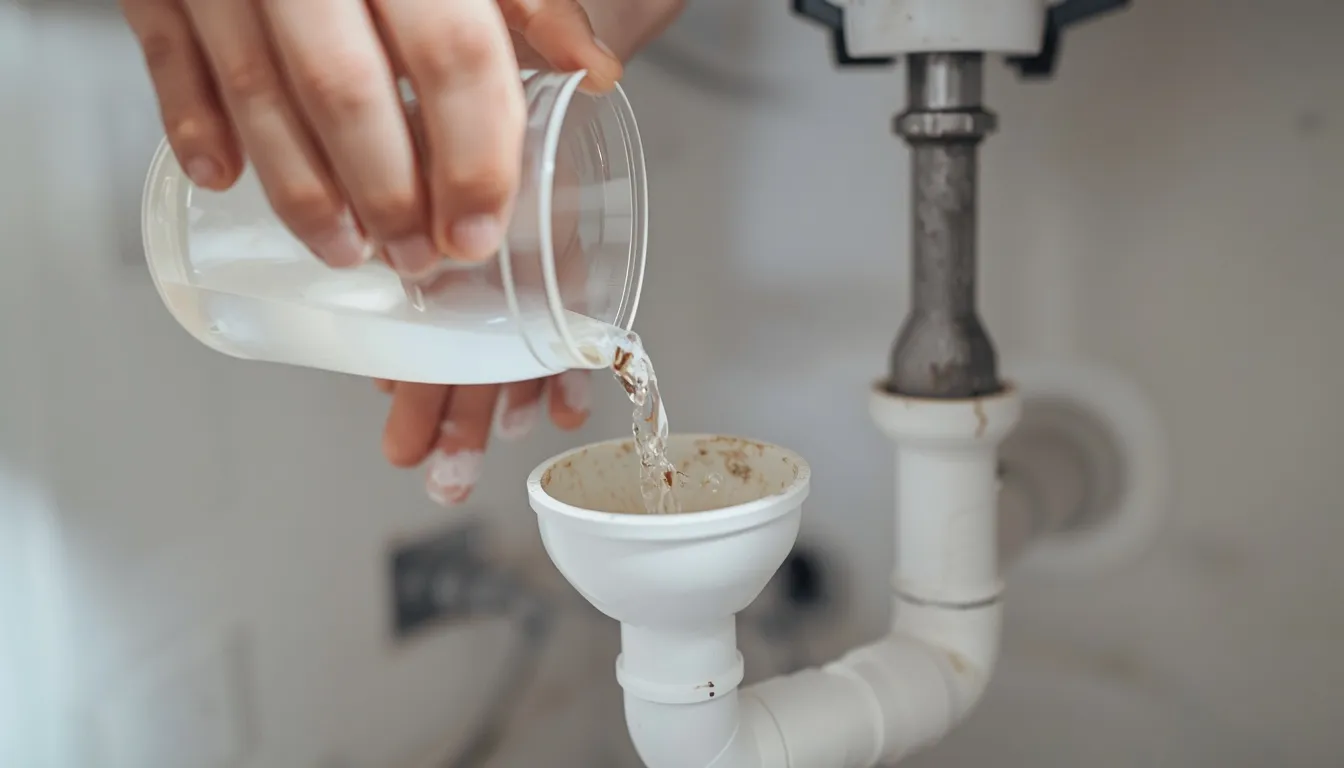
- Remove the cap and pour a cup of distilled vinegar into the opening using a funnel
- Let the vinegar sit for about 30 minutes to break down algae and buildup
- Flush the line with water to clear any loosened debris
- If the clog doesn’t clear, attach a wet/dry vacuum to the outdoor end of the line and run it for two to three minutes to pull the blockage out
- Turn your AC back on and check that water is flowing freely from the outdoor drain opening
This process usually clears minor clogs without needing any professional tools.
Using Vinegar vs. Other Cleaning Methods: What’s Safe for Your System
Vinegar is one of the safest options for regular drain line maintenance because it breaks down algae without damaging PVC pipes or harming your system. Some homeowners ask about bleach, but it’s not the best choice. Bleach can be too harsh for certain drain materials and isn’t necessary for routine cleaning.
A wet/dry vacuum is another safe and effective method, especially for stubborn clogs that vinegar alone won’t clear. Sticking with these two methods keeps your system safe while still getting the job done.
How Often Should You Clean Your AC Drain Line
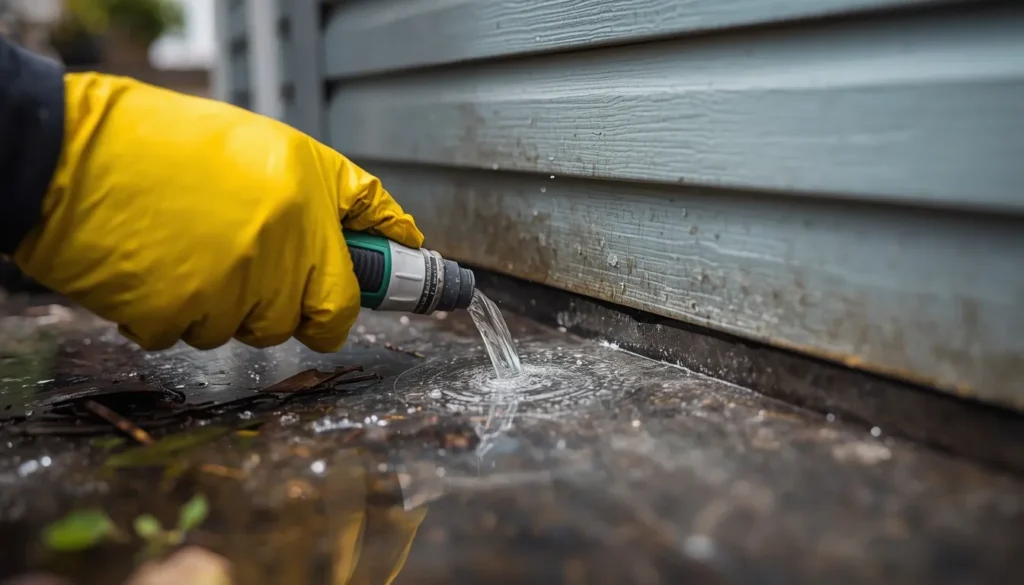
Most homeowners benefit from cleaning their drain line every three to four months, especially during peak cooling season when the system runs the most and produces the most condensation. Homes in humid climates may need it slightly more often.
Pairing this task with your regular air filter changes is an easy way to remember it, since both are quick maintenance jobs that support the same goal of keeping your system running efficiently.
Common Mistakes to Avoid When Cleaning Your Drain Line
A few small mistakes can make this task harder or less effective than it should be:
- Using too much vinegar, which isn’t necessary and won’t clean any better
- Skipping the shop vacuum step when vinegar alone doesn’t clear the clog
- Forgetting to turn the system off before starting
- Not checking the outdoor end of the line to confirm water is actually flowing
Avoiding these mistakes helps you get the job done right the first time.
When a Clogged Drain Line Needs Professional Attention
DIY cleaning solves most minor clogs, but some situations call for a trained technician instead:
- The clog keeps coming back within a few weeks
- Water backs up even after cleaning and flushing the line
- You notice cracks or damage in the PVC line itself
- The float switch keeps tripping despite a clear line
These signs often point to a deeper issue, like a damaged pan or a line that isn’t sloped correctly for proper drainage.
How The Air Squad Helps Keep Your AC System Running Smoothly in West Palm Beach, FL
During routine AC maintenance and repair visits, The Air Squad‘s technicians check the full condensate system, including the drain line, drain pan, and coil, as part of making sure your system is working the way it should. This helps catch small issues, like early buildup or a slow drain, before they turn into bigger repairs.
Ready for a Clog-Free AC System? Contact The Air Squad Today
Cleaning your AC drain line is a small task that can prevent big problems, from water damage to unexpected system shutdowns. With the right tools and a few minutes of your time, most homeowners can handle this maintenance step on their own.
If you’ve tried cleaning your drain line and the problem keeps coming back, or you’re noticing other signs your AC needs attention, don’t wait to get it checked. Reach out today to schedule a maintenance visit and keep your system running the way it should.