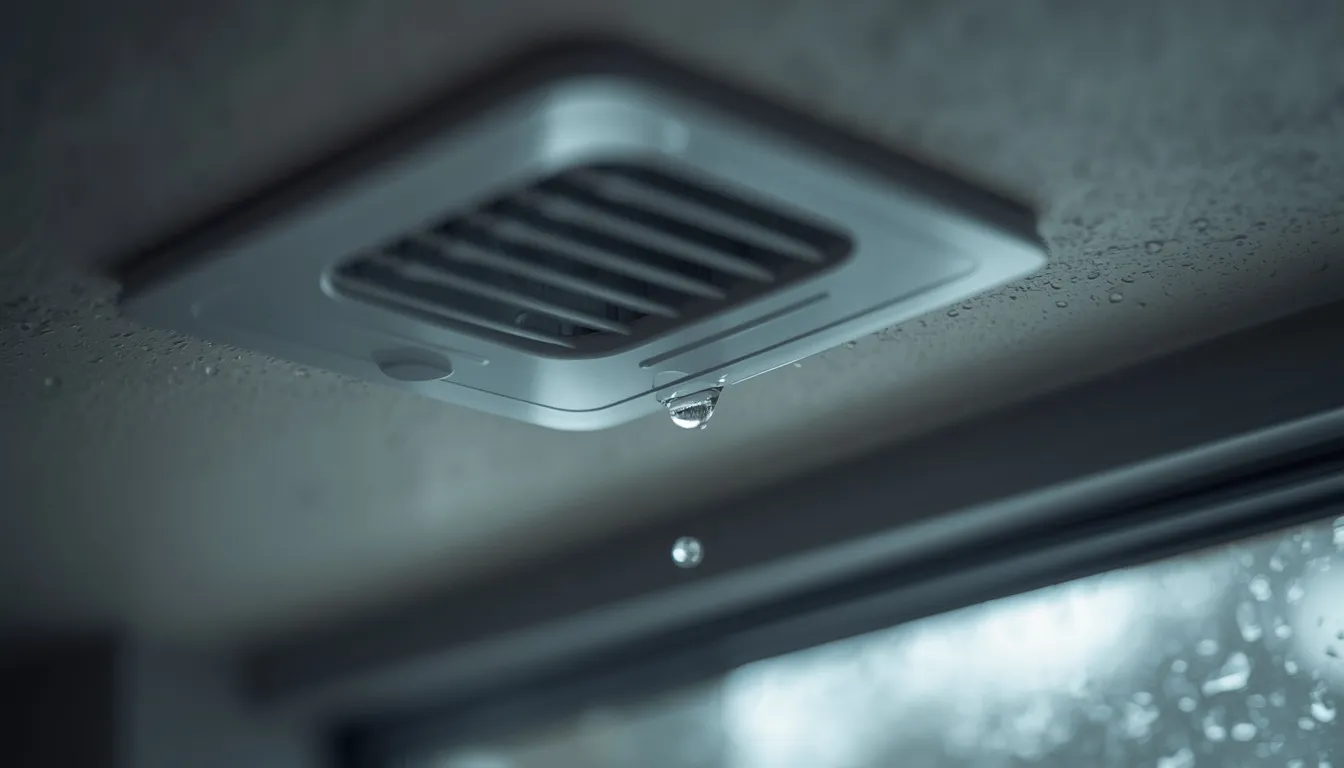
Your air vent leaking water when it rains is usually caused by extra humidity overwhelming your AC’s condensation system, not the rain itself getting inside your ductwork. This is especially common with attic-installed units, where poor insulation or a struggling drain line can turn normal condensation into a noticeable drip during and after storms.
Rain brings a spike in outdoor humidity, and that humidity puts extra pressure on your AC system’s ability to manage moisture. If your system already has a small issue with insulation, drainage, or airflow, rainy weather often pushes it over the edge. This guide explains what’s really happening and how to tell if the problem is coming from your AC or somewhere else.
Rain Just Started and Now Your Vent Is Leaking? Here’s Why
If you notice water dripping from a vent right after or during a rainstorm, it’s easy to assume rain is getting into your home. In most cases, though, the real cause is a rise in humidity that your AC system isn’t handling well. Rain increases moisture in the air both outside and inside your attic or ductwork spaces.
This timing pattern is actually a helpful clue. A leak that only shows up during rain points toward a humidity or insulation issue, while a leak that happens regardless of weather usually points toward a drain line or pan problem instead.
Can Rain Actually Cause Your AC to Leak Water?

Rain itself doesn’t typically enter a sealed AC system, but it changes the conditions around it. Higher outdoor humidity during rain means your indoor air holds more moisture too, so your AC has to remove more water from the air than usual. This extra condensation load can overwhelm a drain line that’s already partially clogged or a drain pan that’s nearly full.
In attic installations, rain can also raise the humidity level inside the attic space itself, which adds another layer of moisture your system has to deal with.
How High Humidity During Rain Affects Your AC’s Condensation
Your AC works by pulling warm, moist air across a cold coil, which causes moisture to condense into water. The more humid the air, the more water this process creates. During rain, humidity levels often climb quickly, sometimes faster than your drainage system is used to handling.
If everything is working normally, this extra water still drains away safely. But if there’s already a minor blockage or a slow leak somewhere, the added moisture from rainy weather is often what finally causes a visible drip.
Attic AC Units and Why They’re More Prone to Rain-Related Leaks
Air handlers installed in attics face conditions that ground-level or closet units don’t. Attics tend to get hotter and more humid than the rest of the house, especially during and after rain. This creates more condensation on ductwork and equipment, and it also means any leak has gravity working against you, since water naturally travels down through the ceiling below.
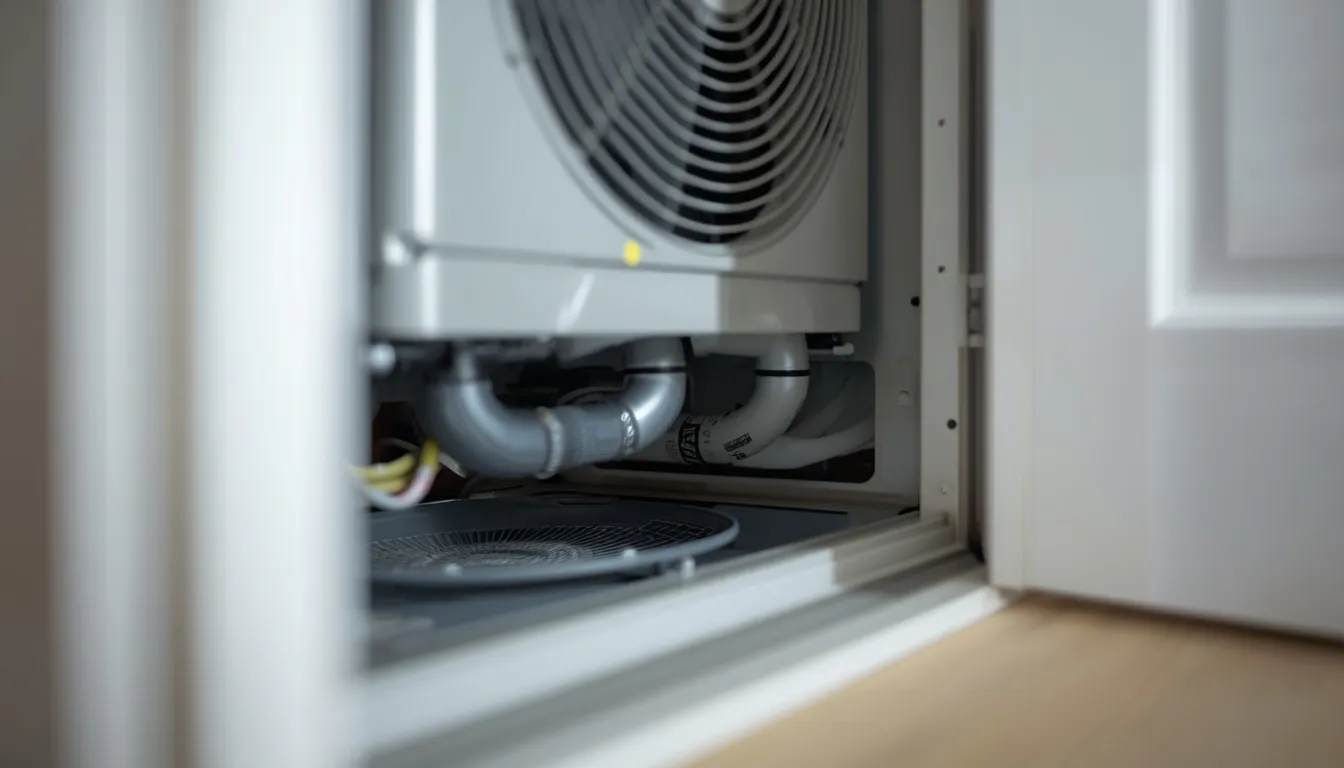
Attic units typically have both a primary and secondary drain pan for this exact reason. If you’re dealing with rain-related leaks and your system is in the attic, checking both pans is a good starting point.
Roof Leak vs. AC Leak: How to Tell the Difference
Since rain and AC leaks can look similar, it helps to know a few key differences:
| Clue | Points to Roof Leak | Points to AC Leak |
| Timing | During or right after rain only | Can happen anytime, including dry days |
| Water location | Near roof edges, chimneys, or skylights | Near vents or where ductwork runs |
| Water appearance | May be dirty or discolored | Usually clear |
| Smell | Musty, especially with old leaks | Musty or damp near air handler |
If you’re not sure which one you’re dealing with, it’s worth having both checked, since a small AC leak and a small roof leak can sometimes happen in the same area.
Poor Ductwork Insulation and Rainy Weather: A Common Combination
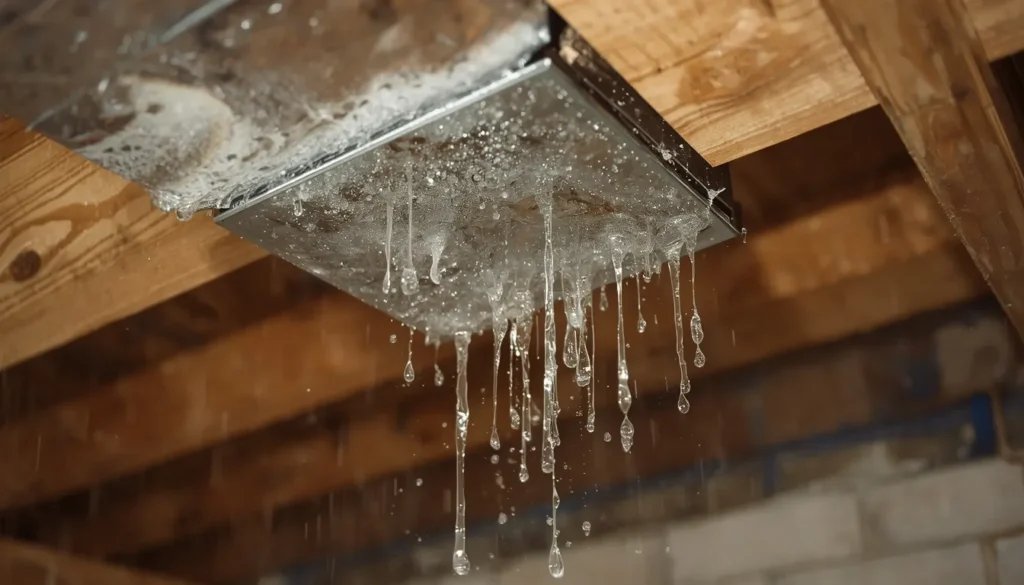
Ductwork that runs through humid spaces needs proper insulation to prevent condensation from forming on the outside of the duct. When insulation is thin, damaged, or missing in spots, rainy weather makes this problem worse because the surrounding air holds even more moisture.
This condensation can drip steadily in one spot, often directly above a vent, making it easy to mistake for a rain leak coming through the roof. Not sure if rain is really the cause? See our guide on water dripping from air vent for other common triggers
Does Barometric Pressure During Storms Affect Your AC Drainage?
Storms bring changes in air pressure, and some homeowners notice AC issues lining up with these shifts. While pressure changes themselves don’t usually cause leaks, they often come with the same humidity spikes that do. In some cases, sudden pressure changes during storms can also affect how well a partially clogged drain line pushes water through, making an existing issue more noticeable during bad weather.
Warning Signs a Rain-Triggered Leak Is Getting Worse
Keep an eye out for these signs that a rain-related leak needs attention soon:
- Water stains that grow larger after each rain event
- A musty smell that lingers even after the rain stops
- Vent drips that now happen on dry days too
- Visible mold or discoloration near the ceiling
Catching these early usually means a simpler, less expensive fix.
What to Do If Your Vent Leaks Every Time It Rains
If this pattern keeps repeating, take these steps:
- Check and replace your air filter if it’s dirty
- Inspect visible ductwork for damp spots or damaged insulation
- Look at the attic drain pans if your system is installed there
- Track whether the leak happens only during rain or on dry days too
This information helps a technician diagnose the issue faster if you do need a repair visit.
How The Air Squad Diagnoses Rain-Related AC Leaks in West Palm Beach, FL
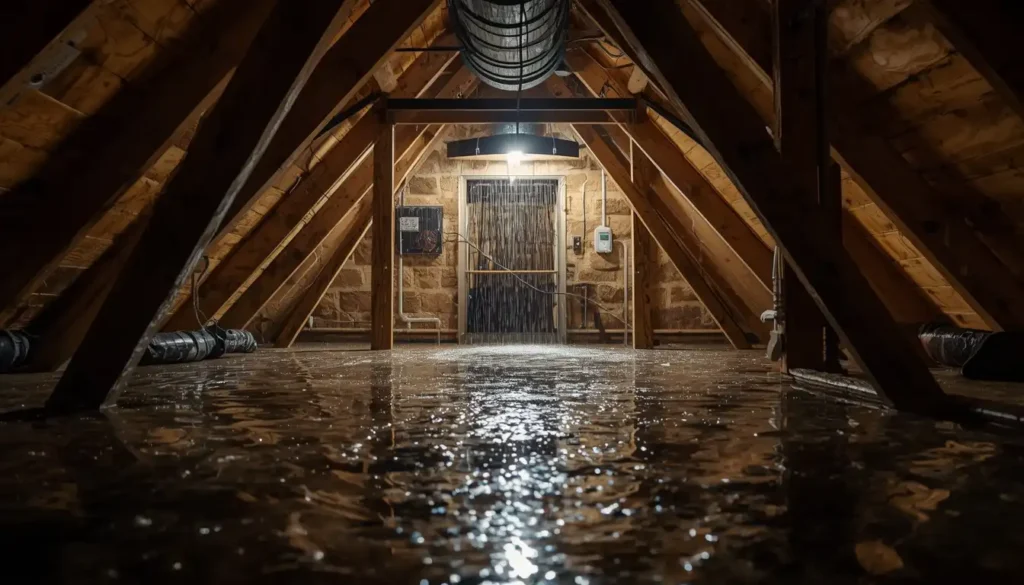
Rain-related leaks can have more than one cause working together, which makes them tricky to diagnose without a full system check. The Air Squad‘s technicians inspect the attic unit, drain pans, ductwork insulation, and drain line as a complete system, rather than guessing based on one symptom alone.
This full picture helps rule out whether the issue is coming from the AC system, the ductwork, or a separate roof problem entirely.
Vent Leaking Every Time It Rains? Contact The Air Squad Today
A vent that only leaks during rain can be easy to brush off, especially if it seems to stop once the weather clears. But repeated moisture in your ceiling or attic space can lead to mold, insulation damage, and higher repair costs the longer it’s left unchecked.
If your vent keeps leaking every time it rains, don’t wait for it to become a bigger problem. Reach out today to get your system checked and find out exactly what’s causing it.