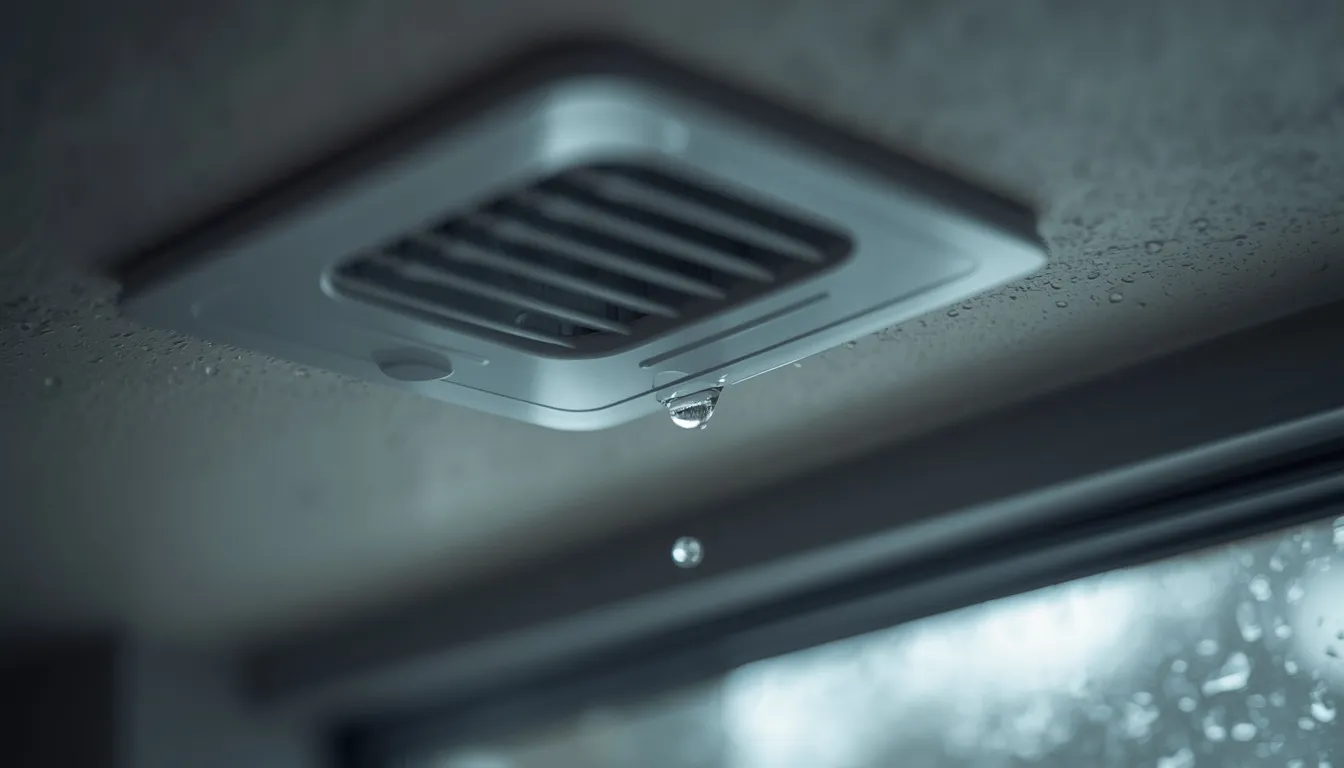
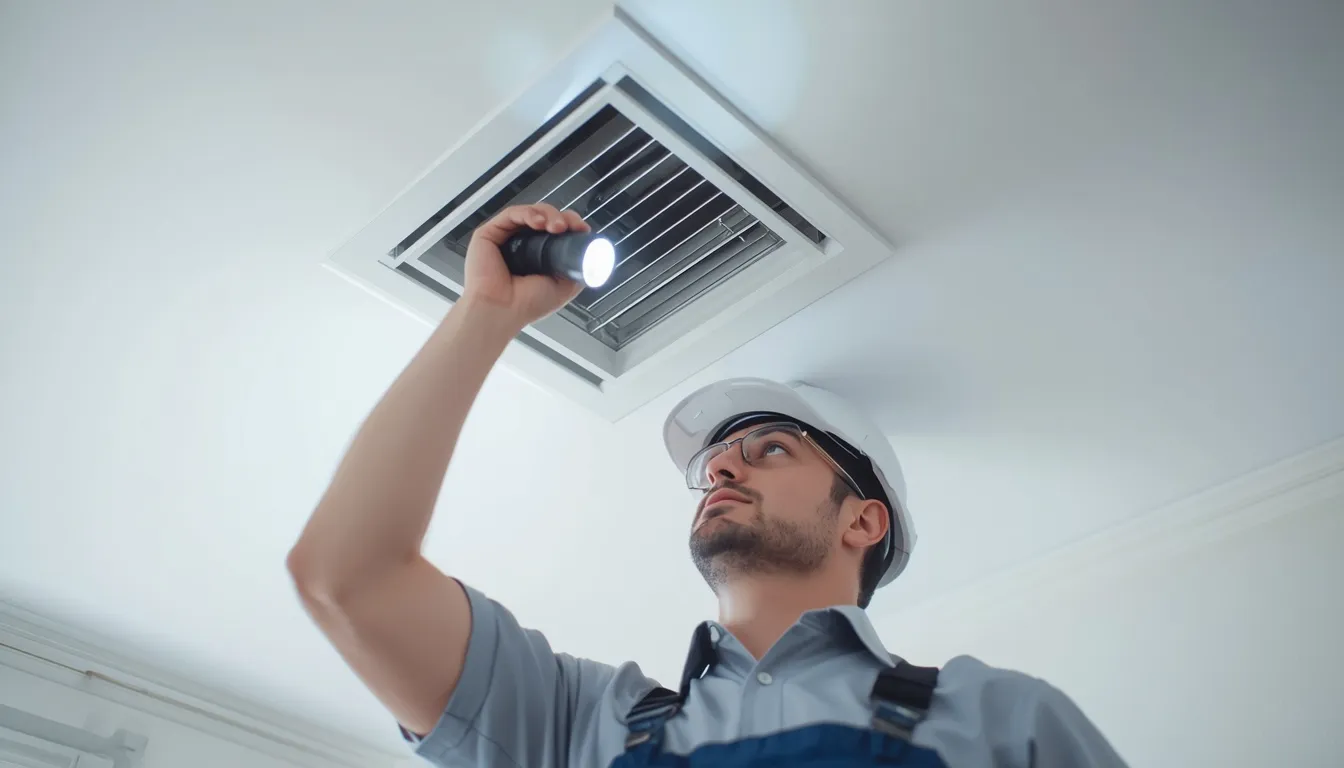
Water dripping from your air vent is usually caused by excess condensation building up inside your ductwork or a problem with your AC’s drainage system, and catching it early can stop bigger damage to your ceiling or walls. Common causes include a clogged drain line, a frozen coil, or sweating ducts, and most of these problems can be fixed quickly once you know where to look.
Central air systems pull moisture out of the air as they cool your home. Normally, that moisture drains away safely through the condensate line. But when something blocks that process, water can back up and find its way out through the nearest vent. This guide breaks down why this happens, what to check first, and when it’s time to call in help.
Noticing Water Dripping from Your Air Vent? Here’s What It Usually Means
A dripping vent can feel alarming, especially if it shows up out of nowhere. In most cases, it means moisture that should be draining safely out of your system is instead building up somewhere it shouldn’t. This isn’t always a major repair, but it should never be ignored.
Homeowners often notice this problem first as a small wet spot on the ceiling near a vent, or an actual drip landing on the floor below. Either way, the water has to come from somewhere, and figuring out the source quickly can save you from a much bigger repair bill later.
What Causes Water to Drip from an Air Vent
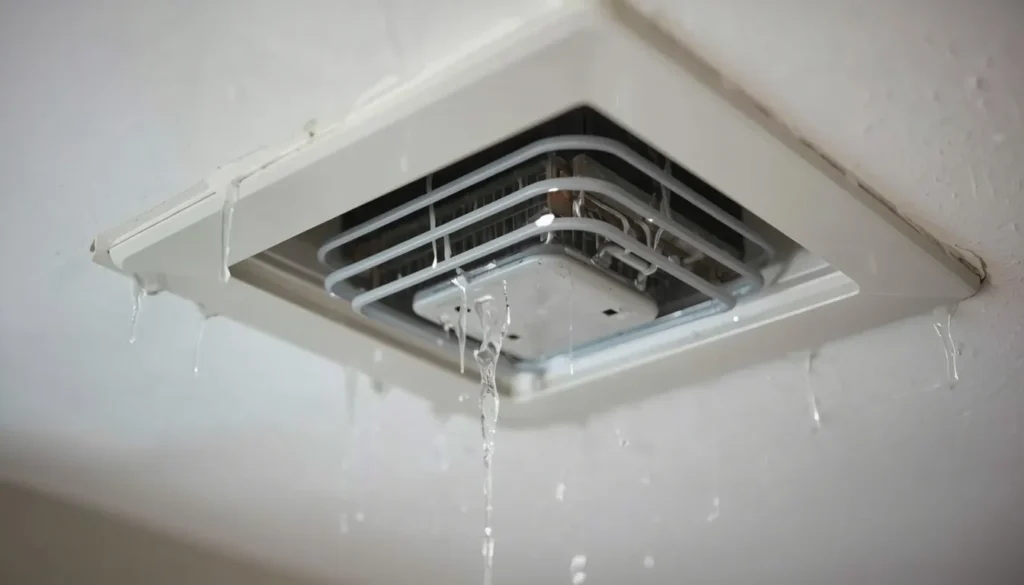
Several issues can lead to this problem, and most of them trace back to your AC’s cooling and drainage process. The most common causes include:
- A clogged condensate drain line that forces water to back up
- A frozen evaporator coil that melts too fast and overwhelms the drain pan
- Sweating ductwork caused by poor insulation
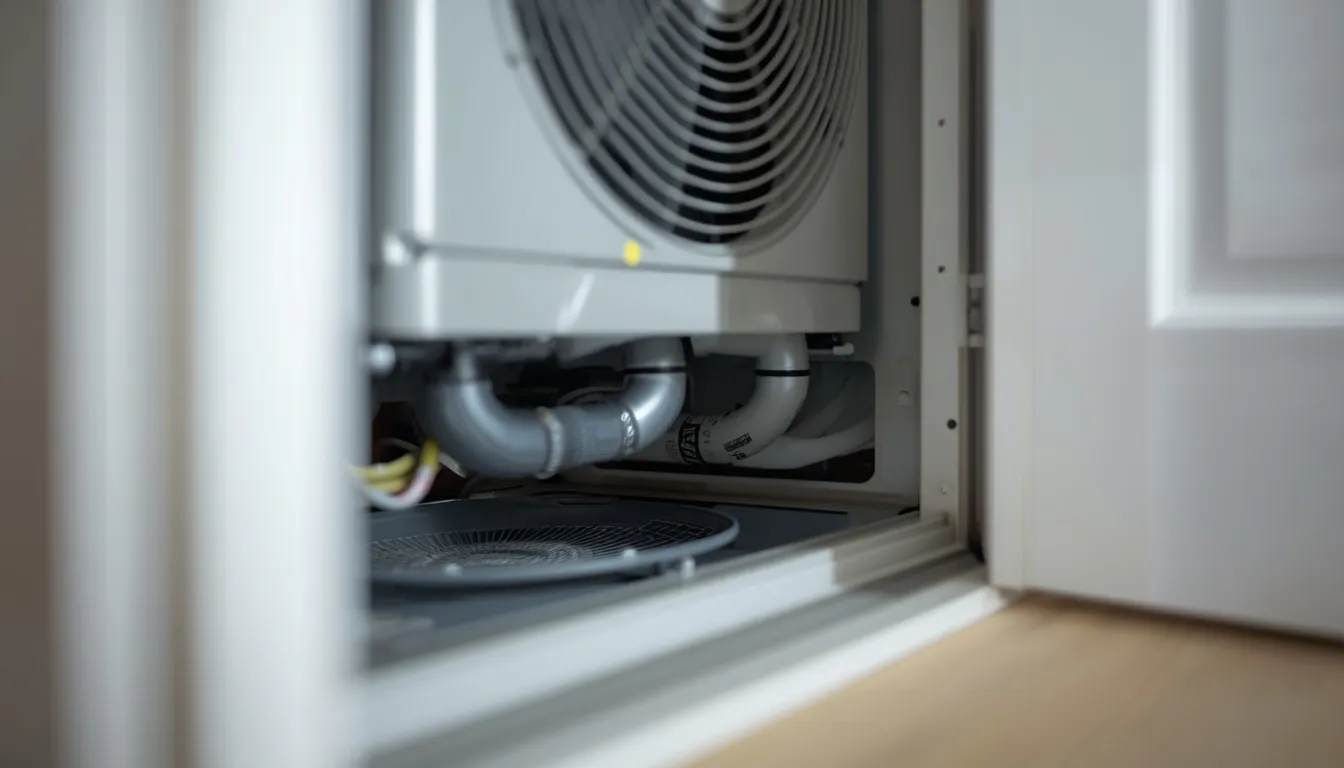
- A cracked or overflowing drain pan
- Low refrigerant levels causing the coil to freeze
Each of these has a different fix, so identifying the right cause matters before you try to solve it yourself.
Why Water Dripping from Air Vent Is More Common in Summer
Summer heat and humidity put extra strain on your AC system. Higher humidity levels mean your system pulls more moisture out of the air, which increases the amount of condensation your drainage system has to handle. If your filter, coil, or drain line already has a minor issue, summer conditions tend to push it into a full problem.
Florida’s humid climate makes this especially true. Homes here often see AC systems working harder and longer during summer months, which raises the chances of a clogged line or frozen coil showing up as a leak from a vent.
Clogged Condensate Drain Line: The Most Common Cause
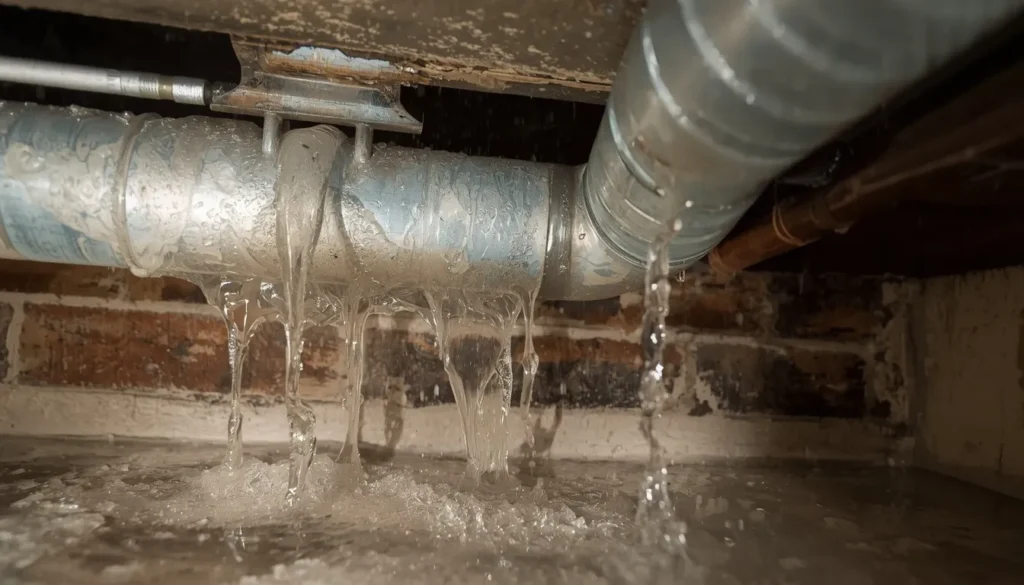
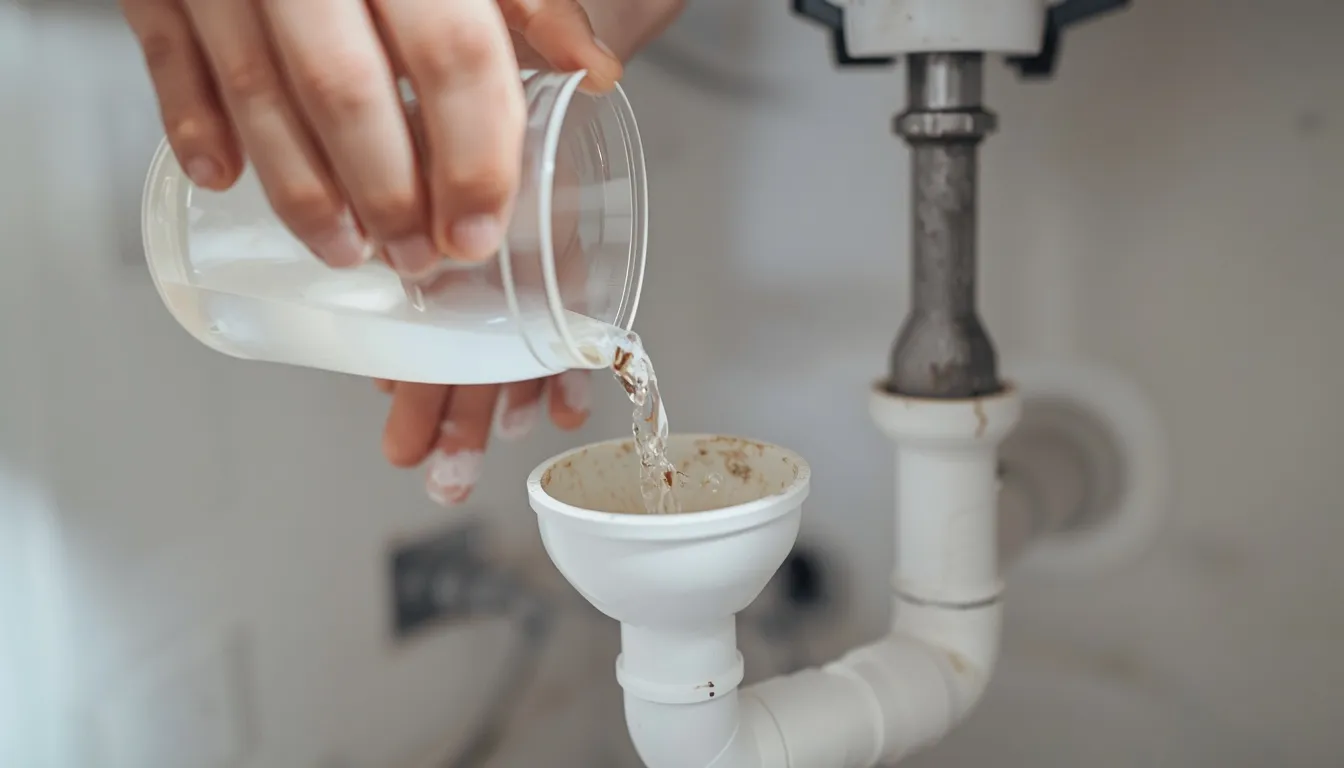
A clogged drain line is the single most common reason water ends up somewhere it shouldn’t. Over time, dust, dirt, and algae can build up inside the line and slow or fully block water flow. When this happens, water backs up into the drain pan, overflows, and can travel through the ductwork until it finds an escape point, often a nearby vent.
This is also one of the easiest issues to prevent. A dirty air filter contributes to airflow problems that can make this worse, which is why regular filter changes are part of basic AC maintenance.
Frozen Evaporator Coil and How It Leads to Vent Leaks
Your evaporator coil is supposed to stay cold, but not cold enough to freeze. When airflow across the coil is restricted, whether from a dirty filter, blocked vents, or low refrigerant, the coil can ice over. Once the system shuts off or the ice starts to melt, it produces far more water than the drain pan is built to handle at once.
That extra water often overflows the pan and travels through the duct system, showing up as a drip from the nearest vent. If you notice ice on your outdoor unit’s refrigerant lines along with a dripping vent, this is likely the cause.
Ductwork Sweating: When Your Ducts Cause the Drip, Not the AC Unit
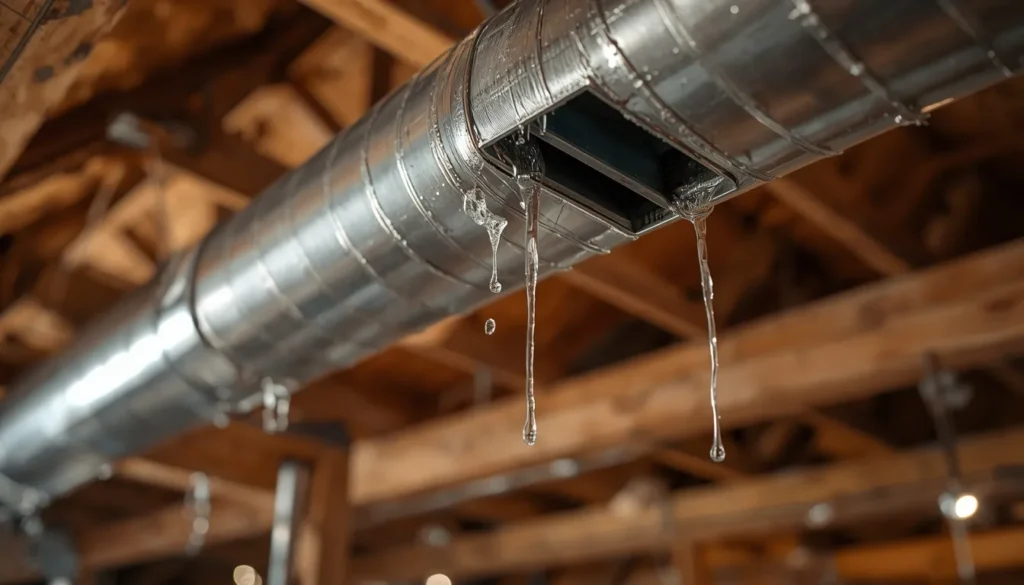
Sometimes the AC system itself isn’t the problem at all. If ductwork runs through a hot, humid space like an attic and isn’t properly insulated, the cold air inside the duct can cause moisture to condense on the outside of the metal. This is similar to how a cold glass of water sweats on a hot day.
Over time, this condensation can drip onto insulation, ceiling material, or straight through a vent opening. This type of leak tends to happen consistently in the same spot and often gets worse as outdoor humidity rises.
Is a Dripping Vent an Emergency? What to Do Right Away
A dripping vent isn’t usually a true emergency, but it shouldn’t wait either. Water sitting in your ceiling or walls can lead to mold growth and structural damage the longer it’s left unchecked.
If you notice a drip, here’s what to do first:
- Place a towel or container under the leak to catch water
- Turn off your AC system to stop adding more condensation
- Check your air filter and replace it if it’s dirty
- Look for ice buildup on the indoor coil or outdoor lines
These steps won’t fix the underlying problem, but they can limit damage while you figure out the next move.
How to Stop Water from Dripping from an Air Vent (Safe DIY Steps)
Some causes of a dripping vent can be addressed with basic homeowner maintenance. Try these steps before assuming you need a repair visit:
- Replace a dirty air filter, since restricted airflow is a common trigger for coil freezing
- Check the condensate drain line access point for visible clogs
- Make sure vents and return air grilles aren’t blocked by furniture or rugs
- Turn off the system for a few hours to let any ice fully melt before restarting it
If water keeps dripping after trying these steps, the cause is likely something that needs a closer look, like a cracked pan or a deeper line blockage.
When to Call a Professional for a Dripping Air Vent
Some causes of vent leaks aren’t safe or practical to fix on your own. It’s time to call a professional if:
- The dripping continues even after basic troubleshooting
- You notice signs of low refrigerant, like weak cooling alongside the leak
- Water stains keep spreading or reappearing on the ceiling
- You can’t locate or access the condensate line
A trained technician can inspect the full system, from the coil to the drain line, and pinpoint exactly where the water is coming from instead of guessing.
How The Air Squad Diagnoses and Fixes Vent Water Leaks in West Palm Beach, FL
Finding the real source of a vent leak often takes more than a quick look. The Air Squad‘s technicians check the coil, drain line, drain pan, and ductwork insulation together, since these issues frequently overlap and can be easy to misdiagnose.
Catching the right cause the first time means fewer repeat visits and less chance of the same leak coming back a few months later.
Water Dripping from Your Vent? Contact The Air Squad Today
A dripping vent is easy to ignore at first, but the longer it continues, the more damage it can cause to your ceiling, walls, and indoor air quality. Whether it’s a clogged line, a frozen coil, or sweating ducts, catching the cause early keeps the fix simple.
If you’ve noticed water dripping from a vent in your home, don’t wait for it to get worse. Reach out today to get your system checked and the leak stopped for good.