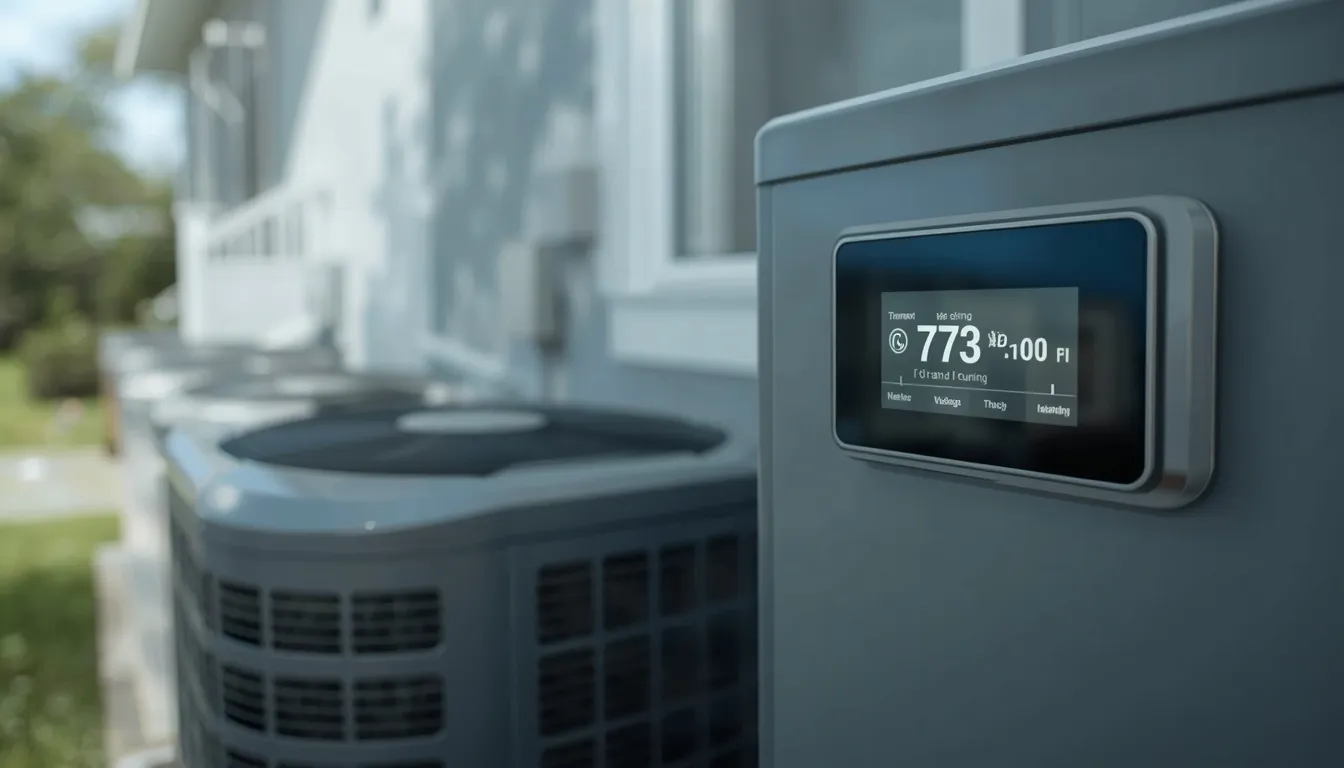
To troubleshoot AC unit not turning on, start with the thermostat, power supply, breaker, air filter, drain line, and outdoor unit. Many AC problems come from a wrong thermostat setting, tripped breaker, or blocked drain. If you notice burning smells, repeated breaker trips, buzzing, or damaged wiring, stop checking the system and call a trained HVAC technician.
This guide explains safe home checks, common causes, and signs that point to a deeper repair problem.
Why Your AC May Stop Working Without Warning
An AC can stop working even if it seemed fine earlier in the day. The cause may be small, such as a thermostat setting, or more serious, such as an electrical part that has failed.
If your AC suddenly stopped working, first think about what happened before the shutdown. Did the power flicker? Did you change the thermostat? Has the system been running for many hours? Did you notice water near the indoor unit?
These details can narrow down the cause. Safety controls may shut the equipment off when they detect a problem, helping protect the system from more damage.
Do not keep turning the unit on and off. Repeated attempts can stress electrical parts or motors.
What to Check Before You Assume Your AC Needs Repair
When an AC unit not turning on becomes a problem, start with a few simple checks. These steps can help you find an easy issue before assuming the system needs a major repair.
| What to Check | What to Do | What to Look For |
|---|---|---|
| Thermostat | Make sure it has power and is set to Cool. Set the temperature a few degrees below the current room temperature. | A blank screen, wrong mode, weak batteries, or incorrect temperature setting. |
| System Delay | Wait a few minutes after changing the thermostat. | Some AC systems have a built in delay before they start. |
| Supply Vents | Make sure the vents around your home are open and clear. | Closed vents, furniture, curtains, or other objects blocking airflow. |
| Return Vents | Check that nothing is covering the return air grilles. | Blocked airflow that may put extra strain on the system. |
| Air Filter | Remove the filter and check its condition. Replace it if it has heavy dust buildup. | A dirty or clogged filter that limits airflow. |
| Circuit Breaker | Check the electrical panel for a tripped AC breaker. Reset it once only if you feel safe doing so. | If the breaker trips again, leave it off and contact a professional. |
These basic checks can help you decide whether the problem has a simple cause or needs further diagnosis from an HVAC technician.
How to Troubleshoot AC Unit Not Turning On
A good troubleshooting process moves from easy checks to technical causes. Start indoors, then check the electrical panel and outdoor equipment.
First, confirm the thermostat is calling for cooling. Second, check the filter, vents, breaker, and visible switches. Third, look for water near the indoor unit or signs that the drain line may be blocked. Finally, listen to the outdoor unit.
If the AC system not starting remains a problem after these checks, avoid opening electrical panels or touching wires. Air conditioners use high voltage and some parts can hold an electrical charge even after power is turned off.
A trained technician can test voltage, capacitors, contactors, motors, safety controls, and the compressor. This helps find the exact fault when simple steps fail.
Check the Thermostat and Cooling Settings First
Start with the thermostat because one wrong setting can keep an air conditioner from running.
Confirm that the thermostat is set to cool, not heat or fan only. Set the target temperature below the room temperature. If the screen is blank, replace the batteries if your model uses them.
A smart thermostat may have a schedule or app setting that changes the temperature. Check these settings before assuming the cooling equipment has failed.
If the thermostat says cooling but the air conditioner not turning on continues, there may be a wiring, control board, safety switch, or power issue.
Do not remove thermostat wiring unless you understand the system. A wrong connection can blow a fuse or cause another control problem.
Look for a Tripped Breaker or Loss of Power
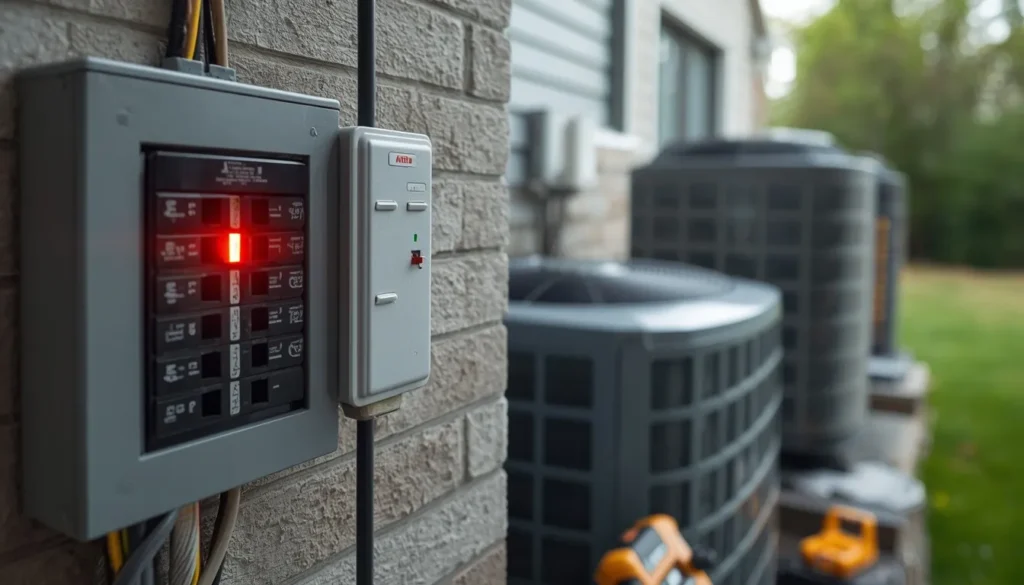
An air conditioner needs power indoors and outdoors. A tripped breaker can make the whole system appear dead.
Find the breaker marked for the air conditioner, condenser, furnace, or air handler. A tripped breaker may sit between the on and off positions. If it is safe, move it fully off and then back on once.
If the breaker trips again, do not keep resetting it. Repeated trips may point to a short circuit, failing motor, damaged wire, bad capacitor, or compressor problem.
You may also have a service switch indoors or a disconnect box outdoors. Both must be in the correct operating position.
When an air conditioning unit won’t start after a power outage, a surge or control reset may be involved. Professional testing is safer if power problems continue.
Inspect the Air Filter and Airflow Around the System
A dirty air filter may not stop your AC right away. However, poor airflow can put extra stress on the system and may eventually cause it to shut down.
Check the Air Filter for Dirt
Remove the air filter and inspect it under normal light. If it has a thick layer of dust or looks heavily clogged, replace it with the correct size and type for your system.
A clogged filter makes it harder for the blower to move air through your home. This can reduce cooling and increase strain on AC parts.
Look for Signs of a Frozen Evaporator Coil
Low airflow can cause the evaporator coil to become too cold and freeze. You may notice ice near the indoor unit, weak airflow from the vents, or poor cooling.
If you see ice, turn the cooling system off and avoid trying to force it to run. A frozen coil may point to an airflow or refrigerant problem that needs further inspection.
Keep Return Grilles Clear
Return grilles pull indoor air back into the AC system. Keep furniture, boxes, rugs, and other items away from these openings.
Blocked return airflow can make the system work harder and reduce its ability to cool your home properly.
Make Sure Supply Vents Are Open
Check the supply vents throughout your home and make sure they are open. Avoid covering them with furniture, curtains, or other objects.
Keeping vents clear helps cooled air move freely through each room and reduces unnecessary pressure inside the duct system.
Know When to Call a Technician
If a home AC not turning on follows weak airflow, repeated freezing, or unusual blower problems, professional diagnosis may be needed.
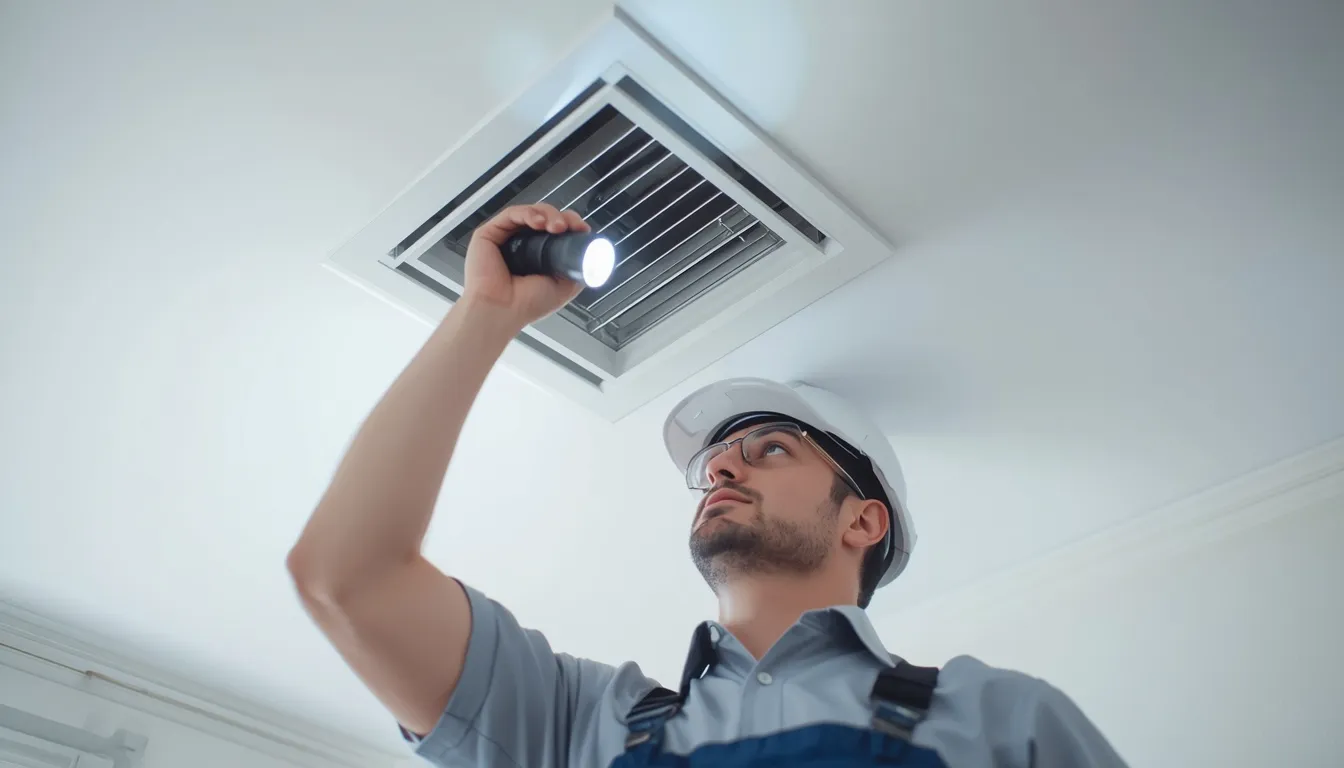
An HVAC technician can inspect the filter, evaporator coil, blower motor, ductwork, and refrigerant system to find the actual cause.
Check the Condensate Drain and AC Safety Switch
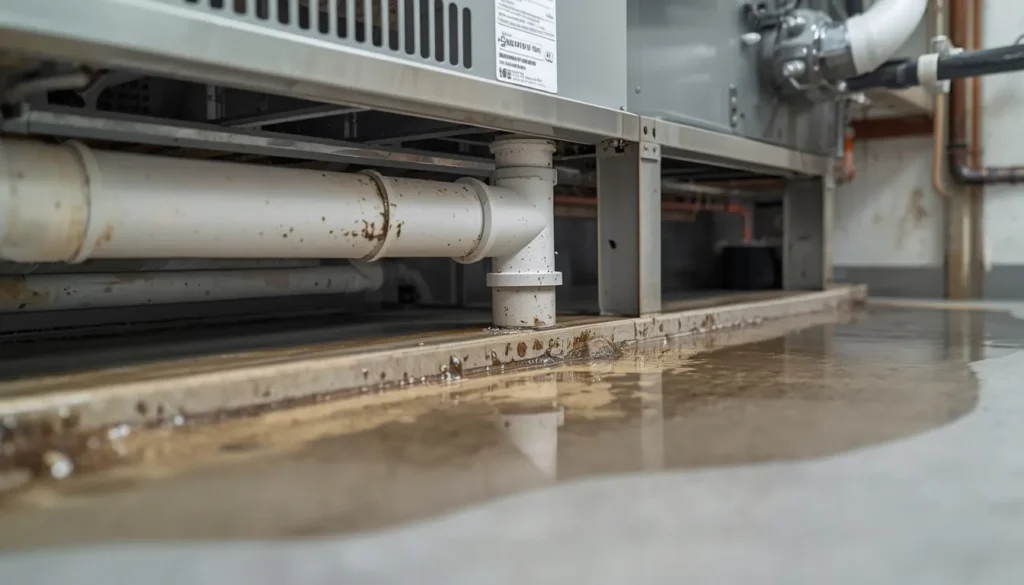
Air conditioners remove moisture while cooling. Water enters a drain pan and leaves through the condensate drain line.
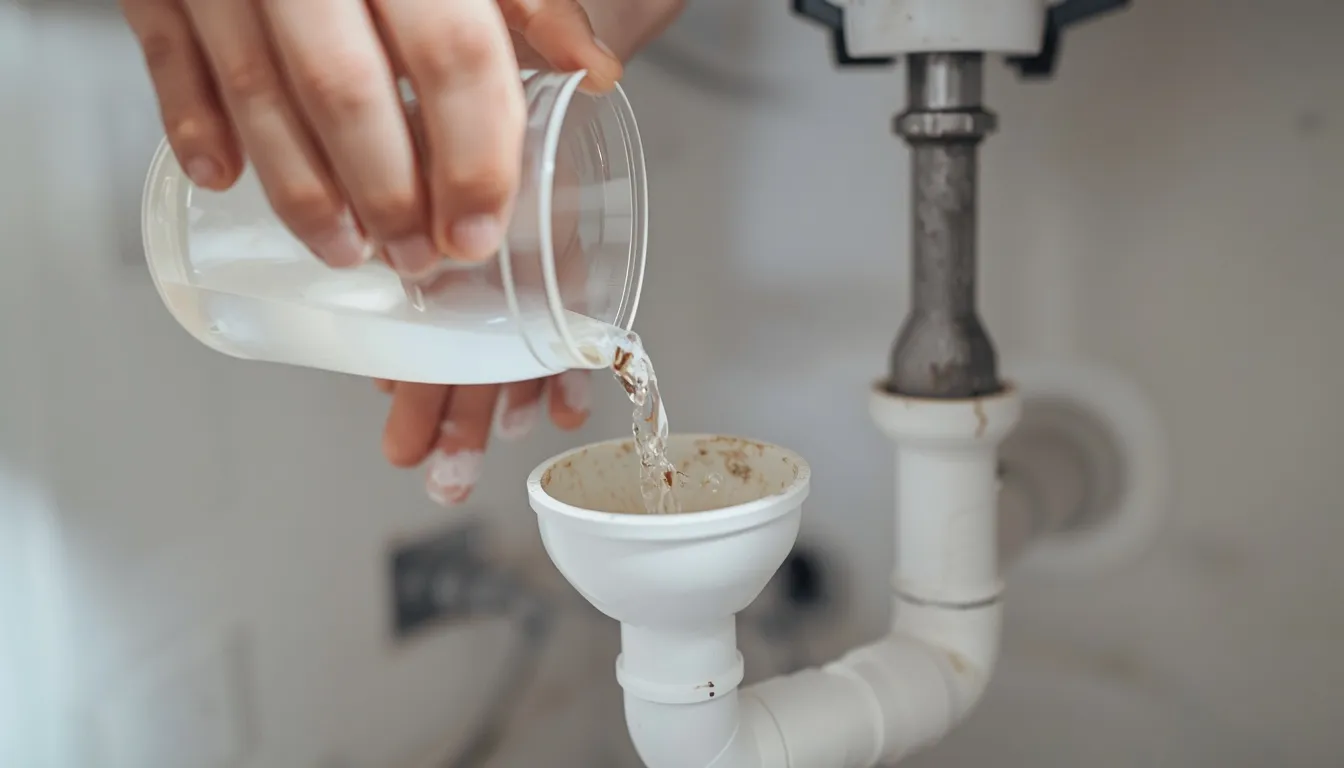
If the drain becomes clogged with algae, dirt, or debris, water can back up. Many systems have a float switch that shuts the AC off before the drain pan overflows.
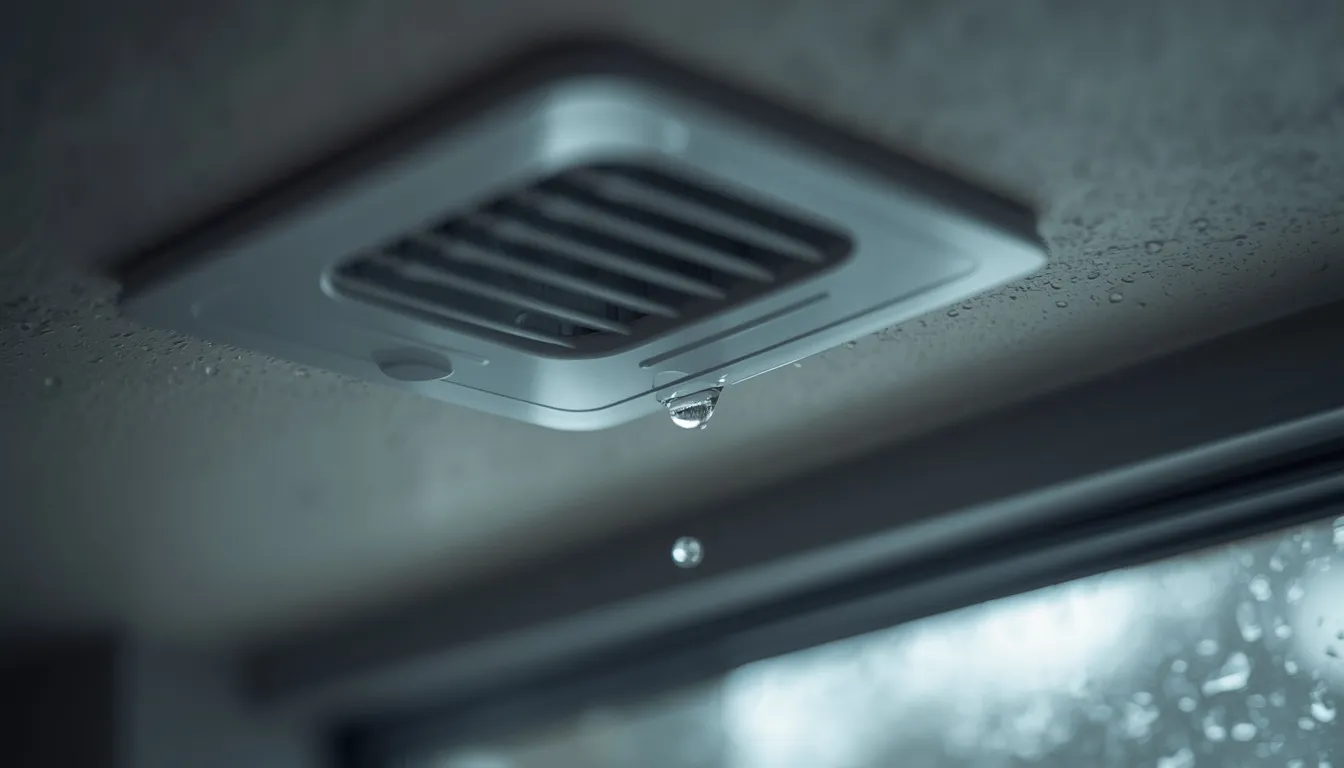
Look for standing water near the air handler or drain pan. Wet equipment is an important clue. Never bypass the float switch to force cooling.
If you can safely see the drain outlet, check whether water appears to be flowing during normal operation. A technician can clear a blocked drain and check the pan, switch, and drain slope.
This safety feature can make it seem like the air conditioner won’t start, even though the shutdown is helping protect your home from water damage.
Why the Outdoor AC Unit May Not Be Turning On
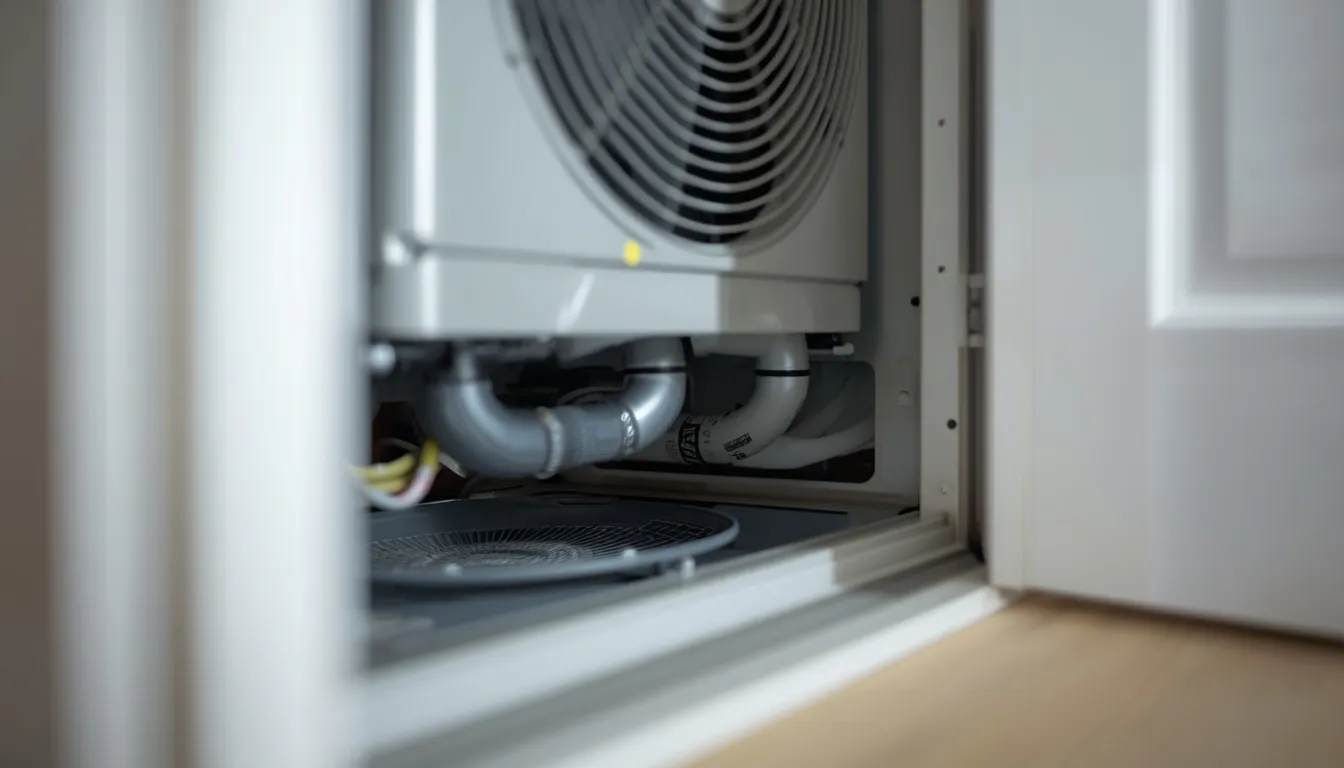
The outdoor unit contains several parts that help move heat out of your home. If one of these parts fails, central AC not turning on may involve the condenser even when the indoor thermostat appears normal.
Listen for humming, clicking, or buzzing at the outdoor unit. A hum with no fan movement can point to a capacitor, motor, or other electrical issue. A click followed by silence may involve a contactor, control signal, or power problem.
Do not push the fan blade with a stick or open the electrical cabinet. Capacitors can store dangerous electrical energy.
A compressor may fail to start because of overheating, electrical faults, damage, or wear. These problems require proper testing.
A technician should measure voltage, inspect connections, and test components before replacing parts. Guessing may miss the real cause.
What Different AC Sounds Can Tell You About the Problem
Different sounds can give useful clues when an AC won’t turn on. Pay attention to the type of sound, where it comes from, and how long it lasts.
- Single clicking sound: A single click may mean the thermostat sent a cooling signal, but the AC did not fully start. This can point to a control or electrical issue.
- Repeated clicking: Constant clicking may come from a contactor, relay, thermostat, or another electrical part that is not working correctly.
- Humming sound: Humming can mean a motor, compressor, or capacitor is trying to start but cannot. This usually needs professional testing.
- Buzzing sound: Buzzing may point to loose electrical parts, damaged wiring, or a failing component. Do not open electrical panels to inspect these parts yourself.
- Complete silence: If the system makes no sound at all, it may have lost power. A tripped breaker, safety switch, thermostat issue, or electrical problem may be the cause.
- Grinding or harsh noises: Grinding may suggest a motor or moving part is damaged. Turn the system off to help prevent more damage.
- Burning smell or smoke: Shut the AC off right away if you notice smoke or a burning smell. Do not keep testing the system.
Write down the sound, when it happens, and how long it lasts. This information can help an HVAC technician find the problem faster..
When to Call for AC Repair in West Palm Beach, FL
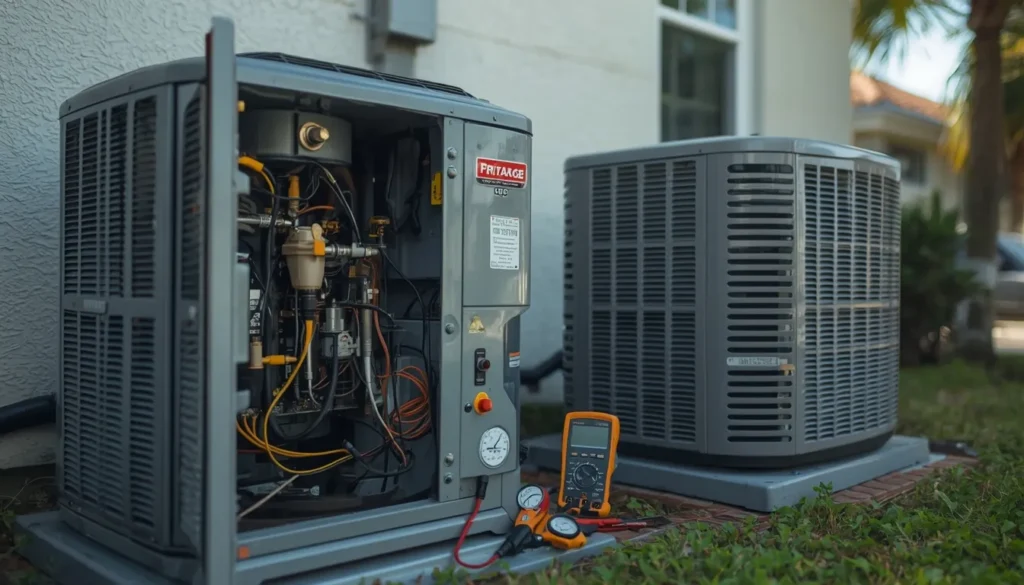
Some AC checks are simple, but electrical and mechanical repairs need trained professionals.
Call for service if the breaker keeps tripping, the system smells burned, wiring looks damaged, water keeps returning, the outdoor unit hums without starting, or the system shuts down again after a reset.
You should also get help if the air conditioner won’t start after the thermostat, filter, vents, breaker, and drain have been checked. These signs can involve components that require electrical meters and HVAC training to test safely.
A professional should diagnose the problem before recommending a repair. Good service means finding the failed part and also checking why it failed. For example, a damaged capacitor may be the immediate problem, but heat, motor strain, or age may also matter.
Get Your Cooling System Running Again With The Air Squad
A cooling system that will not start is frustrating, but a careful process helps you avoid guessing. Begin with the thermostat, filter, breaker, airflow, and drain. Then check for unusual sounds or smells.
Stop troubleshooting when you reach wiring, capacitors, motors, compressors, or repeated electrical problems. These parts require training and proper tools.
The Air Squad can inspect the system, identify the cause, explain the repair options, and help restore safe cooling. A clear diagnosis can also help prevent money from being spent on parts that are not causing the problem.
If your AC still will not start after the basic checks, schedule professional service. Getting the cause checked early can help protect the equipment and restore comfort before the problem becomes more serious.