
The fastest answer to how to test air quality in your home is to watch for dust, odors, humidity, breathing discomfort, and weak airflow, then use simple home monitors or professional testing when needed. Your air conditioner also matters because filters, coils, drains, and airflow can affect the air you breathe. This guide explains what to check, what common warning signs mean, and when an AC problem may need attention.
How Your AC and Indoor Air Quality Are Connected in West Palm Beach, FL
Your AC system plays an important role in the air you breathe at home. It moves air through each room, pulls air through a filter, helps control moisture, and keeps indoor temperatures comfortable.
When the system works well, it can help reduce dust and control indoor humidity. When filters, coils, drains, or other parts have problems, indoor air may start to feel stale, damp, or uncomfortable.
Regular AC care can help improve airflow and reduce moisture problems before they become harder to fixe.
Why Indoor Air Quality Matters for Your Home and Family

People spend a lot of time indoors, so the condition of indoor air matters every day. Dust, pet hair, pollen, moisture, smoke, cleaning products, and other particles can build up inside a home. A working cooling system should help move and filter air, but it cannot solve every air quality issue by itself.
Good indoor air should feel comfortable and should not have strong or stale odors. Rooms should not stay damp for long periods. Dust should not collect again right after cleaning. When these problems keep returning, it may be time to look deeper.
Your AC system can be part of the solution. It moves air through the home, pulls air through a filter, and helps control moisture. When the system has a problem, comfort and air quality can both suffer.
Common Signs of Poor Indoor Air Quality
The signs of poor indoor air quality can be easy to miss. If the same problems keep coming back, your home may need a closer check.
Common warning signs include:
• Heavy dust: Dust builds up quickly on furniture, vents, and other surfaces.
• Stale air: Rooms may feel stuffy or closed even when the AC is running.
• Musty odors: A damp or musty smell can point to moisture or buildup in the cooling system.
• High humidity: Sticky air, damp rooms, or foggy windows can be signs of too much indoor moisture.
• Visible mold: Mold around vents, walls, ceilings, or damp areas should be checked quickly.
• Weak airflow: Low air coming from vents may mean there is an airflow or AC system problem.
• Uneven temperatures: Some rooms may feel warmer or more humid than others.
• Physical irritation: Sneezing, coughing, dry eyes, or throat irritation may become more noticeable while you are indoors.
Pay attention to patterns. If one room always feels dusty, damp, or hard to cool, the issue may involve airflow. If a musty smell appears when the AC runs, moisture or buildup inside the system may be part of the cause.
How to Test Air Quality in Your Home
Start with a simple walk through your home. Check each room for dust, odors, moisture, visible mold, and poor airflow. Look near vents, windows, bathrooms, closets, and areas where water has leaked before.
You can also use indoor air monitors. Some devices track small particles, humidity, temperature, or certain gases. These tools can help you notice changes over time. They are useful for spotting patterns, but they should not replace expert testing when you suspect a serious problem.
Check your carbon monoxide alarms and follow the maker’s directions for testing them. If your home has a reason to test for radon, use an approved test method. For mold or strong chemical odors, professional testing may give clearer answers.
Air quality testing works best when you combine measurements with what is happening inside the home.
Simple Ways to Check Indoor Air Quality Yourself
You can learn a lot about your indoor air with a few simple checks.
Step 1: Check your AC filter
Look at the filter and see how much dust has built up. A dirty or damaged filter can reduce airflow and may allow more particles to move through your home.
Step 2: Inspect vents and return grilles
Check for heavy dust around vents and grilles. This may point to poor filtration, dirty surfaces, or airflow problems.
Step 3: Test the airflow
Hold your hand near a supply vent while the AC is running. The airflow should feel steady and strong. Weak or uneven airflow may mean the system needs attention.
Step 4: Check indoor humidity
Use a small humidity meter if your home often feels sticky or damp. High humidity can lead to musty odors and moisture problems.
Step 5: Look for moisture signs
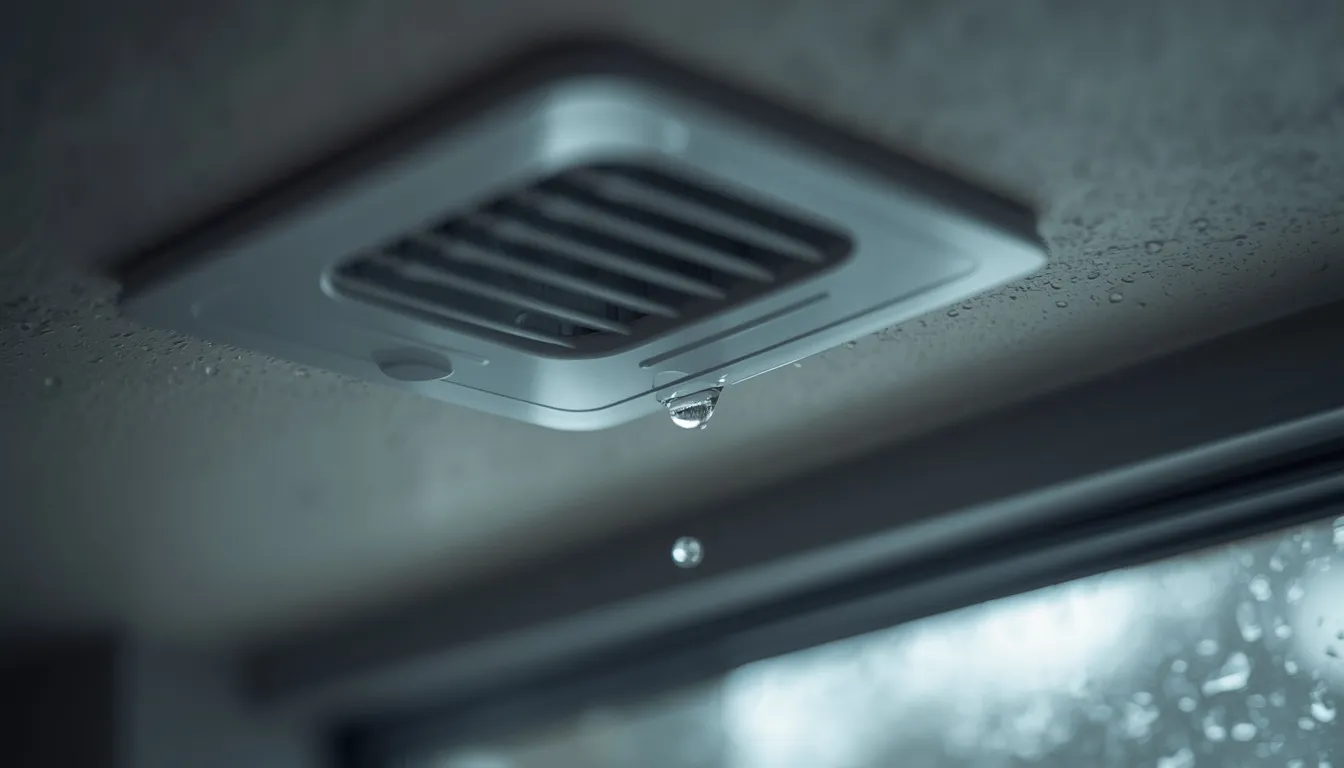
Check for foggy windows, damp bathrooms, wet areas near the AC unit, or rooms that stay humid for long periods.
Step 6: Watch for repeated problems
If dust, odors, humidity, or weak airflow keep coming back, the issue may need a professional inspection.
These simple steps can help you spot possible indoor air quality problems and decide when a closer AC system check may be needed.
How Your AC and Indoor Air Quality Are Connected
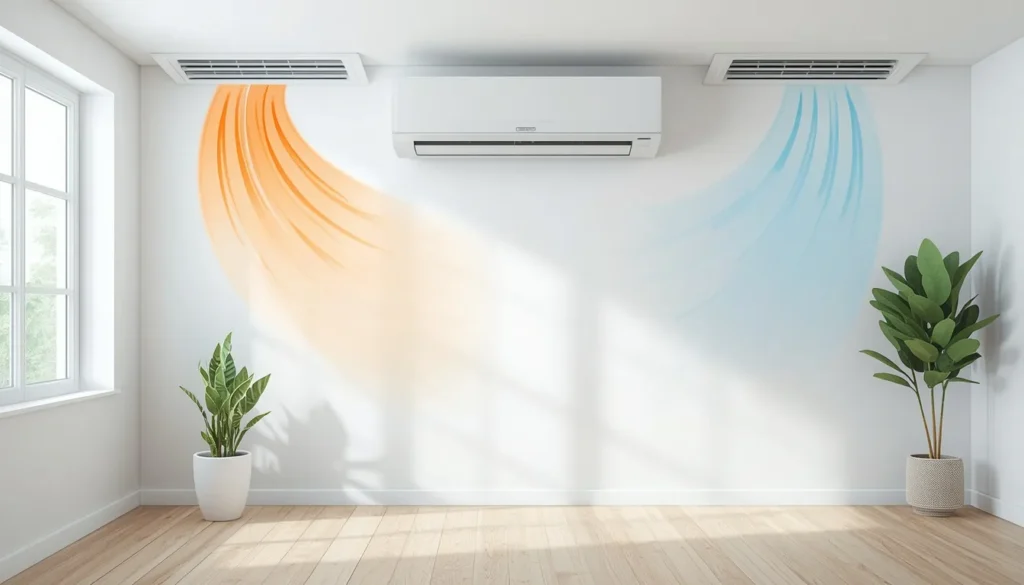
AC and indoor air quality are closely linked because your cooling system moves air through the same rooms every day. It pulls warm air in, filters it, cools it, and sends it back through the home.
When the system is clean and working well, it can help remove some airborne particles and control moisture. When parts are dirty or airflow is weak, the system may struggle to do either job well.
AC problems causing poor air quality can include clogged filters, dirty coils, blocked drains, duct leaks, or fan issues. These problems can allow dust, moisture, or odors to build up. They can also make rooms feel less comfortable even when the thermostat looks normal.
Regular maintenance and fast repairs can help protect both cooling performance and indoor comfort.
A home can have more than one air quality issue at the same time. For example, a dirty filter may reduce airflow while a drainage problem adds moisture. Looking at the whole cooling system gives you a better picture. It also helps you avoid treating one symptom while another problem continues to affect comfort indoors.
Can a Dirty AC Filter Affect Air Quality?
Yes. Dirty AC filter air quality problems can happen when the filter becomes packed with dust and debris. A clogged filter makes it harder for the system to pull air through. That can reduce airflow and put more strain on the equipment.
A dirty filter may also stop doing its job well. If it is damaged, bent, or the wrong size, air can move around it instead of through it. Dust may then settle on system parts or travel through the home.
Check the filter often, especially during heavy cooling months. Replace or clean it based on the filter type and the system maker’s guidance. If a new filter gets dirty very quickly, there may be another issue worth checking.
What a Musty Smell From Your Air Conditioner Can Mean
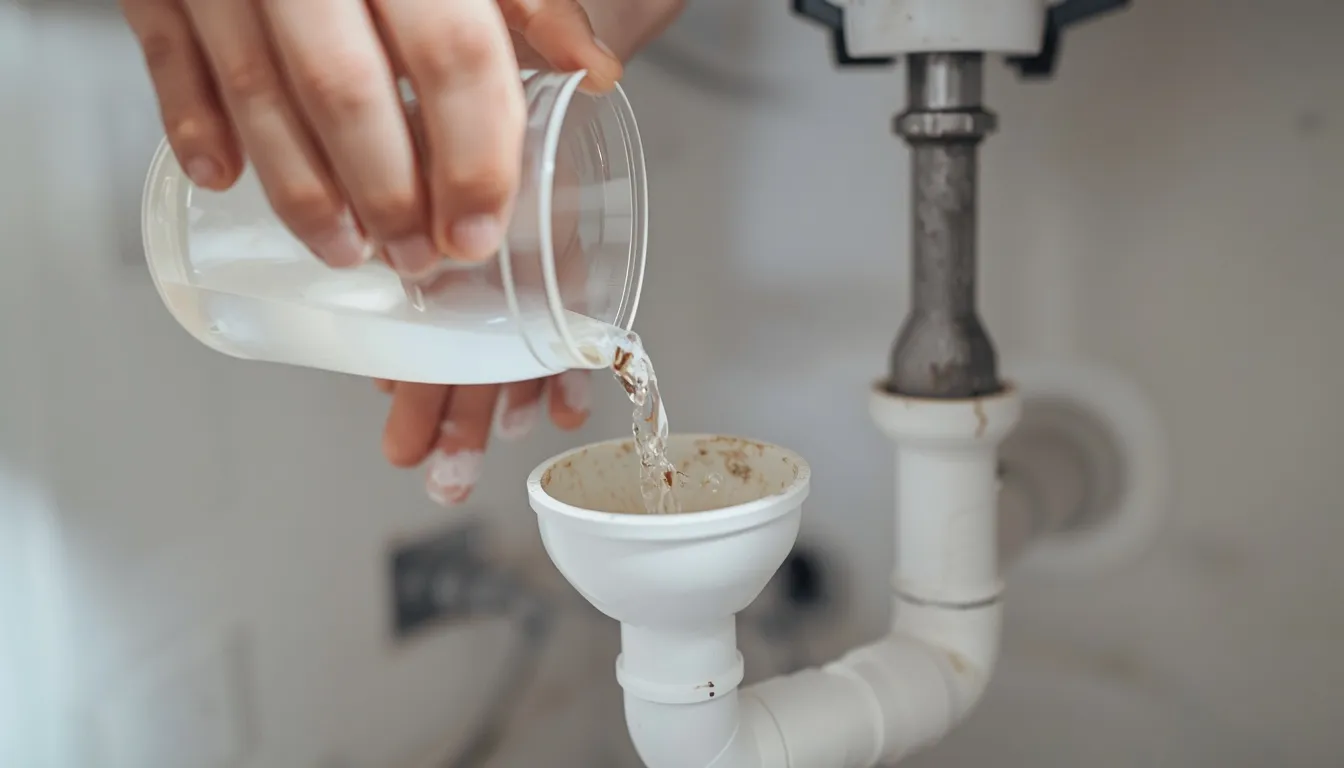
A musty smell from air conditioner vents often points to moisture somewhere in or near the cooling system. The smell may come from a wet drain pan, a clogged drain line, damp ductwork, or buildup on parts that stay moist.
Do not cover the smell with sprays or strong cleaners. That may hide the warning without fixing the source. Instead, notice when the odor starts. Does it happen only when the AC turns on? Is it stronger in one room? Does it return after the system stops?
These details can help a technician find the cause faster. Moisture problems should not be ignored because they can lead to more odors, comfort issues, and possible damage around the system.
AC Airflow Problems and High Indoor Humidity
AC airflow problems can make a home feel warm, uneven, or sticky. Weak airflow may come from a clogged filter, blocked vent, dirty coil, fan problem, or duct issue.
Humidity can also rise when the cooling system does not run or drain correctly. An AC not removing humidity may leave rooms feeling damp even when the temperature is low. You may notice sticky floors, foggy windows, or a heavy feeling in the air.
Do not assume that lowering the thermostat will fix high humidity. If the system cannot move air or remove moisture correctly, colder settings may not solve the cause.
Check filters and open vents first. If the problem continues, a professional inspection can help find the airflow or drainage issue.
When AC Problems Causing Poor Air Quality Need Professional Repair
Some issues are easy to handle at home. You can replace a filter, clear clutter around vents, and keep indoor spaces clean. Other problems need proper tools and training.
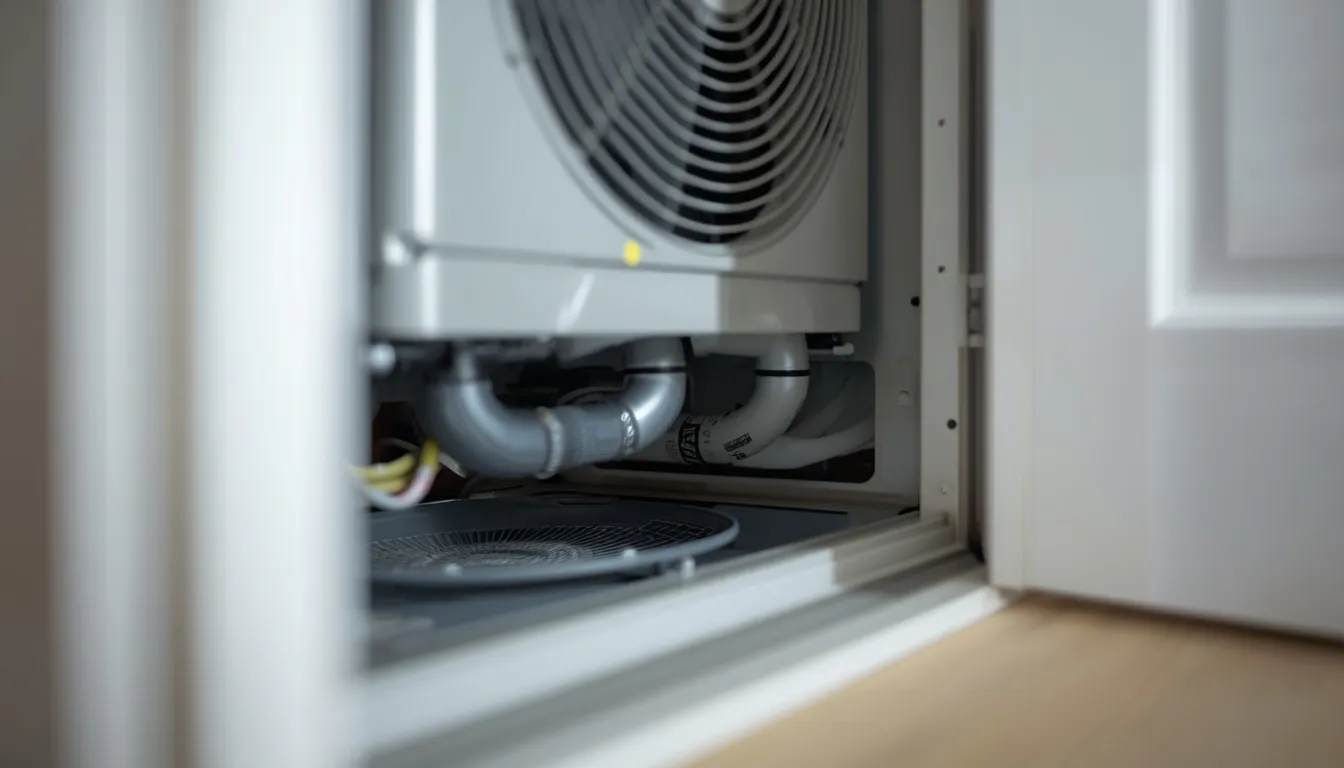
Call for air conditioning repair when you notice weak airflow that does not improve, water near the indoor unit, repeated musty smells, unusual sounds, poor cooling, or humidity that stays high. These signs may point to a deeper problem inside the system.
Professional AC repair services can check the blower, coils, drain system, duct connections, refrigerant performance, and other parts that affect comfort. A trained technician can also explain what is causing the issue instead of guessing.
The goal is not only to cool the home. It is to help the system move air, manage moisture, and work as it should.
Improve Your Home’s Air Quality With The Air Squad
Better air starts with paying attention to small changes inside your home. Dust, odors, humidity, weak airflow, and dirty filters can all give you useful clues. Simple testing can help you spot a problem early, but your AC system should also be part of the check.
The Air Squad helps homeowners find cooling problems that may affect comfort and indoor air. A careful inspection can show whether the issue comes from airflow, moisture, filtration, drainage, or another AC part. Fixing the real cause can help your home feel cleaner, fresher, and more comfortable.
If you notice poor airflow, musty odors, high humidity, or another cooling issue, schedule an AC inspection today. A professional check can help you understand the problem and choose the right repair.